Best books to learn Sicilian cooking
This curriculum takes you from the sun-soaked soul of Sicilian food culture all the way to its most technical and regional depths. Each stage builds on the last — starting with the island's story and pantry, moving into hands-on classic recipes, then diving deep into the specific pillars of pasta, seafood, and street food like arancini, before finally reaching the authoritative, scholarly masterworks that will make you a true student of the cucina siciliana.
The Soul of Sicily — Culture & Pantry First
BeginnerUnderstand the history, landscape, and key ingredients that define Sicilian cooking — the Arab, Greek, Norman, and Spanish influences — before touching a pan.
▸ Study plan for this stage
Pace: 4–5 weeks, ~25–30 pages/day (with reflection breaks). "Sicilian Food" is ~350 pages of dense cultural and historical narrative; pace yourself to absorb the layered influences and ingredient stories rather than rush through.
- The four major cultural invasions (Arab, Greek, Norman, Spanish) and how each left distinct culinary fingerprints on Sicilian food
- Sicily's geography—coastline, mountains, plains—and how terrain dictates what grows and what people eat
- The Sicilian pantry: olive oil, tomatoes, citrus, almonds, capers, sardines, durum wheat, and how each ingredient carries historical and regional meaning
- The concept of 'cucina povera' (peasant cooking) as the foundation of authentic Sicilian cuisine, shaped by scarcity and resourcefulness
- Street food and seasonal eating as expressions of Sicilian identity and social history
- The role of Arab spice routes and Norman court refinement in elevating Sicilian food beyond mere survival
- Regional variation within Sicily—how Palermo, Catania, and rural areas developed distinct food traditions
- How did Arab, Greek, Norman, and Spanish rule each contribute distinct ingredients, techniques, or flavor profiles to Sicilian cooking?
- What role did Sicily's geography and climate play in determining which ingredients became staples of the Sicilian pantry?
- Why is olive oil so central to Sicilian cooking, and how does its quality and use differ from other Mediterranean regions?
- What is 'cucina povera' and how does it explain the resourcefulness and flavor complexity of traditional Sicilian dishes?
- Name five essential Sicilian pantry ingredients and explain the historical or geographical reason each became important
- How did Sicily's position as a crossroads between Europe and North Africa shape its food culture differently than mainland Italy?
- Create a timeline poster or digital document mapping the four invasions (Arab, Greek, Norman, Spanish) and listing 3–4 foods or techniques each culture introduced; display it while cooking for the next stage
- Visit a farmers market or specialty grocer and locate Sicilian pantry staples (Sicilian olive oil, capers, almonds, dried pasta, citrus). Read the labels and note origins; photograph or sketch them with a note on what you learned from the book about each
- Taste test: procure a small bottle of Sicilian olive oil and a non-Sicilian Mediterranean oil; compare their flavor profiles (peppery, fruity, grassy) and journal how Simeti's descriptions match your experience
- Interview or research a Sicilian family recipe (from a relative, friend, or online source) and trace which cultural influence(s) it reflects based on ingredients and technique; write a 1-page analysis
- Create a hand-drawn or digital map of Sicily marking major regions (Palermo, Catania, Trapani, etc.) and annotate 2–3 signature ingredients or dishes from each, grounded in Simeti's regional descriptions
- Prepare a simple Sicilian street food or seasonal dish from a recipe in Simeti's book (e.g., arancini, pasta con le sarde, or a citrus-based dessert); document your process and reflect on how the ingredients and technique connect to the history you've read
Next up: With a deep understanding of Sicily's layered history, geography, and pantry now internalized, you're ready to move into the next stage—learning to cook these ingredients with technique and respect for tradition, turning cultural knowledge into muscle memory and flavor.

The essential starting point: Simeti lived in Sicily for decades and weaves cultural history with recipes, giving beginners the 'why' behind the food before the 'how'. Reading this first builds the mental map of the island's cuisine.
Foundations — Classic Recipes & Everyday Cooking
BeginnerCook a broad range of authentic Sicilian dishes confidently, mastering the essential techniques, flavor combinations, and pantry staples of the island's everyday table.
▸ Study plan for this stage
Pace: 8–10 weeks, ~40–50 pages/day with 2–3 cooking sessions per week
- Sicily's regional diversity: how geography, history, and trade routes shaped distinct flavors across the island (Palermo, Catania, Trapani, Ragusa styles)
- Essential Sicilian pantry staples: caciocavallo, pecorino, anchovies, sardines, tomato paste, dried pasta, capers, olives, and their proper use in everyday cooking
- Core flavor combinations and building blocks: the interplay of sweet and savory (agrodolce), citrus, seafood, eggplant, and the holy trinity of onion, garlic, and parsley
- Fundamental Sicilian techniques: soffritto preparation, pasta water integration, proper sauce-making, and the art of slow-cooking vegetables
- Seasonal eating and ingredient selection: how Sicilian home cooks choose produce and proteins based on availability and tradition
- Pasta shapes and their regional significance: why certain shapes pair with specific sauces and what each region favors
- The role of bread, grains, and legumes in everyday Sicilian tables, beyond pasta
- How to build confidence with simple, forgiving recipes before advancing to more complex preparations
- What are the key pantry staples you must keep on hand to cook Sicilian food, and why does each matter to the cuisine's flavor profile?
- How do the cooking traditions differ between Palermo, Catania, and the southeastern regions, and what dishes exemplify each area's approach?
- Explain the agrodolce principle and identify three dishes from the books where sweet and savory balance is essential.
- Walk through the steps of making a proper soffritto and describe how it forms the foundation for multiple Sicilian dishes.
- Why is pasta water crucial in Sicilian cooking, and how do you use it to finish a sauce?
- Name five everyday Sicilian dishes you can now cook from memory, and describe the technique or flavor combination that makes each one authentic.
- Cook at least one recipe from each major section of 'Sicily: The Cookbook' (vegetables, pasta, seafood, meat, bread/grains), noting which techniques appear repeatedly and why
- Prepare a proper soffritto three times, tasting and adjusting timing until you can do it by feel and smell without checking the clock
- Make fresh pasta by hand (tagliatelle or pappardelle) and practice integrating pasta water into a simple sauce to achieve the right consistency
- Cook a complete agrodolce dish (such as caponata or pasta alla Norma) and experiment with the balance of vinegar, sugar, and other elements to understand the principle
- Build a Sicilian pantry: source and taste-test three types of anchovies, two capers varieties, and quality tomato paste; use each in a simple dish to understand their differences
- Prepare three seafood dishes from 'The Flavors of Sicily' (such as pasta con le sarde, swordfish, or a simple fish pasta), noting how Anna Tasca Lanza's approach differs from Melissa Muller's
- Cook a full Sicilian meal for guests (antipasti, pasta, main, bread) using only recipes from these two books, timing everything to come together
Next up: This stage equips you with the confidence and muscle memory to execute classic Sicilian dishes reliably, establishing the flavor vocabulary and technique foundation needed to explore regional specialties, advanced pastry, and the historical and cultural contexts that deepen your understanding in the next stage.

A beautifully organized, accessible recipe collection covering the full sweep of Sicilian cooking — antipasti, pasta, seafood, and sweets — ideal for building practical kitchen confidence right after the cultural grounding.
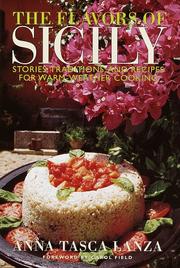
Written by the matriarch of the legendary Regaleali estate, this book introduces the aristocratic and rustic sides of Sicilian cooking side by side, deepening technique and ingredient intuition.
Going Deeper — Pasta, Seafood & Street Food
IntermediateMaster the specific pillars the learner cares most about: fresh and dried pasta shapes, Sicily's extraordinary seafood traditions, and iconic street foods like arancini.
▸ Study plan for this stage
Pace: 4–5 weeks, ~40–50 pages/day. "Pasta Grannies" (first 1.5–2 weeks) focuses on hands-on pasta techniques; "Sicily" (remaining 2.5–3 weeks) explores regional ingredients, seafood, and street food culture.
- Regional pasta shapes and their traditional purposes: how Sicilian shapes like busiate, cavatelli, and trofie differ from mainland Italian pasta and why each shape matters for specific sauces
- Pasta-making techniques from 'Pasta Grannies': hand-rolling, extruding, and cutting methods that reveal how texture and surface area affect sauce adhesion
- Sicily's seafood traditions: the role of sardines, anchovies, swordfish, and sea urchin in defining Sicilian cuisine and their seasonal availability
- Arancini and street food culture: the history, regional variations, and technique of making these iconic fried rice balls, plus other street foods like panelle and croquettes
- The connection between geography and ingredients: how Sicily's position between Africa and mainland Italy created a unique culinary fusion reflected in pasta and seafood dishes
- Fresh vs. dried pasta in Sicily: understanding when each is used, how they're made differently, and which traditional dishes demand which type
- Flavor profiles and ingredient combinations: how Sicilian cooking balances Arab, Norman, and Italian influences through pasta sauces, seafood preparations, and street food fillings
- What are three distinct Sicilian pasta shapes mentioned in 'Pasta Grannies,' and what makes their hand-rolling or cutting technique unique?
- According to 'Sicily' by Andrew Edwards, how do Sicilian seafood dishes reflect the island's geographic position and historical influences?
- What is the difference between fresh and dried pasta in Sicilian cooking, and when would you use each based on the recipes and traditions in these books?
- Describe the origins and regional variations of arancini as presented in 'Sicily,' and explain why this street food is emblematic of Sicilian culinary culture.
- How do the pasta-making techniques shown in 'Pasta Grannies' influence the final texture and sauce-holding capacity of a finished dish?
- What role do sardines and anchovies play in traditional Sicilian pasta dishes, and how does their seasonal availability affect menu planning?
- Hand-roll at least two Sicilian pasta shapes from 'Pasta Grannies' (e.g., busiate or cavatelli) without a machine, focusing on the grannies' techniques for consistent size and texture.
- Make fresh tagliatelle or another fresh pasta shape and cook it alongside a dried Sicilian pasta shape (e.g., spaghetti or rigatoni) in the same sauce; taste and document the textural differences.
- Prepare a traditional Sicilian seafood pasta dish (such as pasta con le sardine or spaghetti ai ricci di mare) using recipes from 'Sicily,' sourcing authentic ingredients where possible.
- Make a batch of arancini from scratch, experimenting with at least one filling variation mentioned in 'Sicily' (e.g., ragù, butter and peas, or seafood), and document the technique.
- Cook three different street food items from 'Sicily' (e.g., arancini, panelle, and croquettes) in one session to understand the common frying techniques and flavor profiles.
- Create a seasonal seafood menu for a week using 'Sicily' as your guide, selecting dishes based on the seasonal availability of sardines, anchovies, swordfish, or other regional catches.
Next up: This stage equips you with mastery of Sicily's core culinary pillars—the technical skills to make authentic pasta shapes, deep knowledge of seafood traditions, and confidence in street food preparation—setting the foundation for exploring advanced topics like regional feast dishes, wine pairings, or the evolution of Sicilian cuisine in diaspora communities.

Documents real Italian nonnas — including Sicilian ones — making traditional pasta by hand. After building foundations, this book sharpens pasta technique with authentic, granular detail on shaping and saucing.

Bridges the gap between kitchen and place — understanding the markets, fishing villages, and street-food culture of Palermo and Catania makes the seafood and arancini recipes in other books come alive with real context.
Mastery — The Authoritative Sicilian Canon
ExpertReach a deep, scholarly, and creative command of Sicilian cuisine — understanding regional variation, historical recipes, and the full complexity of the island's culinary identity.
▸ Study plan for this stage
Pace: 8–10 weeks, ~40–50 pages/day, with 2–3 days per week reserved for cooking practice and reflection
- Regional variation within Sicily: how geography, climate, and local ingredients create distinct culinary identities across the island's provinces and coastal vs. inland traditions
- Historical layering of Sicilian cuisine: Arab, Norman, Spanish, and Italian influences and how they shaped specific dishes, techniques, and flavor profiles over centuries
- The relationship between Mediterranean ingredients and Sicilian identity: olives, citrus, seafood, wheat, and almonds as both economic and cultural anchors
- Authentic historical recipes and their evolution: understanding original preparations versus modern adaptations and the cultural significance of traditional dishes
- Sicilian cooking techniques and their origins: methods like pasta-making, sauce construction, and preservation that reflect the island's unique culinary heritage
- The role of poverty, abundance, and trade in shaping Sicilian food: how economic constraints and access to spices/imports created distinctive flavor combinations
- Sicilian food as cultural identity: how cuisine reflects and preserves the island's complex history and multicultural character
- How do the culinary traditions of eastern Sicily (Catania, Syracuse) differ from western Sicily (Palermo, Trapani), and what geographic and historical factors explain these differences?
- Trace the Arab, Norman, and Spanish influences in three specific Sicilian dishes discussed in these books. What ingredients or techniques reveal each cultural layer?
- What role did poverty and limited access to certain ingredients play in developing distinctive Sicilian flavor combinations, and how do these constraints differ from Mediterranean regions with greater abundance?
- Choose one historical recipe from either book and explain how it reflects the multicultural history of Sicily. What would be lost if you modernized it?
- How does Wright use Mediterranean context in 'A Mediterranean Feast' to illuminate Sicilian cooking's place within broader Mediterranean culinary traditions?
- What is the relationship between Sicilian geography (island isolation, coastal access, mountainous terrain) and the specific ingredients and dishes that define the cuisine?
- Cook 3–4 recipes from 'Cucina Paradiso' that represent different regions of Sicily (e.g., one from Palermo, one from Catania, one from the interior). Document how ingredients and techniques vary by region.
- Create a detailed timeline mapping Arab, Norman, Spanish, and Italian influences onto specific Sicilian dishes mentioned in both books, with visual references to the historical periods.
- Prepare a comparative tasting: make two versions of a single dish—one using Wright's historical recipe and one using a modern adaptation. Taste critically and write a reflection on what changes and why.
- Research and cook one dish from 'A Mediterranean Feast' that appears in a non-Sicilian Mediterranean context. Compare Wright's treatment of it in both books and explain the regional variations.
- Interview or correspond with a Sicilian cook or food historian (or study primary sources Wright cites) about a specific regional specialty. Write a 1,000-word essay connecting their insights to Wright's scholarship.
- Conduct a pantry audit: identify which ingredients in your kitchen are distinctly Sicilian (capers, Marsala, Sicilian olives, etc.) and trace their historical and geographic origins using Wright's books as reference.
Next up: This mastery stage establishes you as a scholarly practitioner of Sicilian cuisine with deep historical knowledge and regional expertise; the next stage would likely focus on either creative innovation within this tradition (developing your own recipes grounded in authentic principles) or specialized deep-dives into specific Sicilian sub-cuisines or techniques.
Wright is one of the foremost English-language scholars of Mediterranean food; this book digs into the Arab-Norman roots of Sicilian cooking with historical recipes and rigorous analysis — essential for advanced understanding.
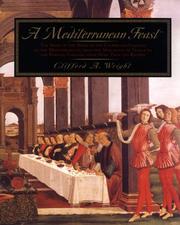
Wright's magnum opus places Sicilian cooking within the full sweep of Mediterranean culinary history. Reading it last gives the advanced learner the broadest possible lens through which to see Sicily's unique position in world cuisine.
Discussion
Keep reading
Paths that share books, cover the same subject, or open a related topic.