Egyptian cooking is comfort food with ancient roots: koshari, ful medames, molokhia, tahini and bread. It shares a pantry with the broader Middle East but has a distinct, humble soul that dedicated books capture best. The challenge for English readers is that the deepest Egyptian sources are few, so the smart path pairs them with the wider regional classics.
Reading in order lets you learn the signature dishes first, then understand the Levantine and North African context that surrounds and informs them.
Enter the region's flavors
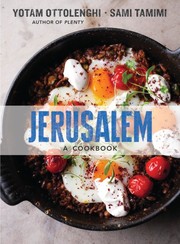
Start with two evocative gateways. Zaitoun, Yasmin Khan's Palestinian journey, and Jerusalem, Yotam Ottolenghi and Sami Tamimi's celebrated book, immerse you in the eastern Mediterranean palette — olive oil, tahini, herbs, spice — that Egyptian food draws on. They build your instincts before you cook a single Egyptian dish.
Cook the Egyptian classics
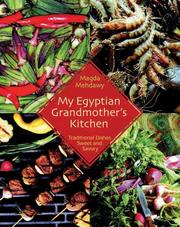
Now to the heart of the path: Magda Mehdawy's dedicated books. The Egyptian Table and My Egyptian Grandmother's Mother Kitchen teach the authentic staples — koshari, ta'amia, molokhia, stuffed vegetables — with the home-kitchen detail that generic regional books gloss over. These are the core you return to.
Place it in the wider table
Finally, widen the lens. A new book of Middle Eastern food and Arabesque, both Claudia Roden's landmark works (Roden herself is of Egyptian-Jewish heritage), give scholarly, loving context to how Egyptian food fits the region. The complete Middle East cookbook is a broad reference, and Food Culture in the Near East, Middle East, and North Africa adds the cultural history that turns recipes into understanding.
Follow the full path to see each book placed in its stage with a study plan.
Follow the full reading path →
Ready to learn something deeply?
Build a reading path — free