Cook Italy's classics at home
This curriculum takes a beginner from the foundational philosophy and pantry of Italian home cooking through the essential regional canon, then into the deeper craft of specific techniques and traditions. Each stage builds on the last: first you learn how Italians think about food, then you cook the classics, then you explore the rich regional diversity, and finally you master the techniques that separate good Italian cooking from great Italian cooking.
Foundations: How Italians Think About Food
BeginnerUnderstand the Italian home-cooking philosophy — simplicity, seasonality, and quality ingredients — and build a working pantry and basic technique vocabulary before touching a stove.
▸ Study plan for this stage
Pace: 6–8 weeks total: Weeks 1–5 cover Marcella Hazan's "The Essentials of Classic Italian Cooking" (~25–30 pages/day, focusing on the introductory essays, the soffritto and sauce chapters, and the pasta and risotto foundations before any deep recipe diving); Weeks 6–8 cover Theo Randall's "Italian Pantry
- The Italian philosophy of restraint: Hazan's repeated insistence that fewer, better ingredients outperform complexity — flavor comes from the ingredient, not the technique.
- Soffritto as a flavor foundation: understanding how Hazan's base of onion, celery, and carrot (cooked slowly in fat) underpins a vast range of Italian dishes.
- Fat as a regional and flavor decision: Hazan's contrast between butter-based cooking (northern Italy) and olive-oil-based cooking (central and southern Italy) as a lens for understanding the whole cuisine.
- Seasonality and locality as non-negotiable values: both Hazan and Randall treat cooking out of season as a fundamental error, not merely a preference.
- The Italian pantry as a living toolkit: Randall's framework of categorizing staples — tinned tomatoes, dried pasta, anchovies, capers, dried porcini, quality olive oil, Parmigiano-Reggiano, etc. — as ingredients with distinct provenance and quality tiers, not interchangeable commodities.
- Reading a recipe the Italian way: Hazan's introductions to each dish teach the 'why' behind each step, training the reader to understand process rather than just follow instructions.
- Pasta dough logic: Hazan's explanation of egg pasta vs. dried semolina pasta — when each is appropriate and why — as a foundational vocabulary decision.
- Quality sourcing as a skill: Randall's guidance on how to read labels, identify DOP/IGP certifications, and evaluate olive oil, vinegar, and cured meats establishes that shopping is part of cooking.
- According to Hazan, what is the single most important factor in achieving authentic Italian flavor at home, and how does this challenge a typical beginner's instinct to add more ingredients or spices?
- How does Hazan use regional geography to explain the butter-vs.-olive-oil divide, and can you name at least two dishes from each tradition she introduces early in the book?
- What is a soffritto, how does Hazan instruct you to build one correctly, and what goes wrong if you rush it?
- Using Randall's 'Italian Pantry' as your guide, what are the five pantry staples he considers most essential, and what specific quality markers should you look for when buying each one?
- How do both Hazan and Randall treat tinned tomatoes — what do they agree on, and does Randall add any sourcing nuance that Hazan does not address?
- After reading both books, how would you explain the difference between 'Italian home cooking' and restaurant or 'Italian-American' cooking to someone who has never thought about it?
- Build your pantry from Randall's list: spend one week sourcing every staple he identifies as essential, buying the highest-quality version you can access. Taste each one plain — a spoonful of good olive oil, a pinch of Parmigiano-Reggiano, a rinsed anchovy — before you cook with anything.
- Make Hazan's tomato sauce with onion and butter (the famous three-ingredient sauce) exactly as written, resisting any urge to add garlic, herbs, or extra steps. Then write two or three sentences in a cooking journal about what the restraint taught you.
- Practice a soffritto three times in a single week: once as a standalone exercise (just cook the base, taste it at 5-minute intervals, and note the transformation), then as the base for a simple braise or soup from Hazan's early chapters.
- Do a side-by-side pantry audit: list every Italian ingredient currently in your kitchen, then cross-reference it against Randall's quality criteria. Flag anything that doesn't meet his standards and replace it before moving to recipe work.
- Read Hazan's introductory essays and chapter prefaces (not the recipes themselves) in one sitting, highlighting every sentence where she explains a 'why' rather than a 'how'. Use these annotations to write a one-page personal 'Italian cooking philosophy' statement in your own words.
- Cook one pasta dish and one risotto from Hazan's foundational chapters, but before you start, read her full headnote aloud. After cooking, compare what she predicted would happen with what actually happened in your kitchen.
Next up: ">Mastering the philosophy of restraint, the logic of the pantry, and the mechanics of a soffritto gives you the conceptual scaffolding to move confidently into the next stage, where you will apply these principles to a broader range of regional Italian recipes and more demanding techniques without losing the 'less is more' discipline Hazan and Randall have instilled.

The single most important English-language book on Italian home cooking. Hazan teaches the 'why' behind every technique, making it the perfect first book to build intuition and confidence from scratch.

Grounds the beginner in the core ingredients — olive oil, canned tomatoes, dried pasta, cured meats — so that every subsequent recipe is approached with the right materials and mindset.
The Classic Canon: Everyday Italian Dishes
BeginnerCook the essential, universally loved dishes of Italian home cooking — pasta, risotto, braises, and simple vegetables — with confidence and repeatability.
▸ Study plan for this stage
Pace: 8–10 weeks total: Weeks 1–5 on "Marcella cucina" (~25–30 pages/day, reading each chapter alongside cooking at least one recipe per week); Weeks 6–10 on "Italian food" (~20–25 pages/day, reading more slowly to absorb David's historical and regional commentary before cooking).
- The 'less is more' philosophy of Italian home cooking — Hazan's insistence in Marcella cucina that restraint, quality ingredients, and technique trump complexity
- Soffritto as a foundational flavor base: understanding how Hazan builds depth in braises, ragù, and vegetable dishes through the patient cooking of aromatics
- Pasta fundamentals: Hazan's hands-on guidance in Marcella cucina on fresh egg pasta dough, proper salting of water, and matching sauce weight to pasta shape
- Risotto method as a discipline: the gradual addition of stock, constant attention, and the final mantecatura (butter emulsion) that Hazan treats as non-negotiable
- Regional diversity of Italian cooking: David's Italian food dismantles the idea of a single 'Italian cuisine,' mapping distinct traditions from Piedmont to Sicily
- The role of simplicity and seasonality in Italian vegetables — both authors treat contorni (side dishes) as serious cooking, not afterthoughts
- Reading a recipe as a ratio, not a rigid formula: both Hazan and David encourage the cook to understand proportions so dishes can be scaled and adapted
- Historical and cultural context of dishes: David's Italian food roots recipes in place, season, and social history, deepening the cook's understanding of why dishes exist as they do
- After working through Marcella cucina, can you explain Hazan's core argument about what makes Italian home cooking distinct — and name three techniques she returns to repeatedly as proof?
- What is the purpose of mantecatura in risotto, and what does Hazan say goes wrong when it is skipped or rushed?
- How does Elizabeth David in Italian food challenge the assumption that Italian cooking is uniform, and which two or three regional contrasts does she draw most sharply?
- Both Hazan and David write about braised meats. How do their approaches to the same technique differ in tone, instruction style, and cultural framing?
- What does David mean when she describes a dish as belonging to 'cucina povera,' and how does that concept appear in the recipes she chooses to include in Italian food?
- After reading both books, how would you explain to a beginner why the quality and simplicity of ingredients matters more in Italian cooking than in many other culinary traditions?
- Cook Hazan's fresh egg pasta from Marcella cucina at least twice in the same week — once following the recipe exactly, once adjusting the dough hydration based on your own observation of texture, to internalize the ratio rather than the measurement.
- Execute a full risotto from Marcella cucina from start to finish, timing each stage. Write a one-paragraph post-cook note on where you added stock too fast or too slow, and what the final mantecatura looked and felt like.
- Choose one braise from Marcella cucina (e.g., a meat or poultry dish built on soffritto) and cook it on two separate days with different resting/reheating times. Compare flavor depth and note Hazan's guidance on patience.
- After reading the relevant regional chapter in David's Italian food, cook one dish from that region using David's recipe as a guide. Then cross-reference: does Hazan include a version of the same dish? Write three sentences comparing the two authors' instructions and priorities.
- Build a simple Italian vegetable dish (e.g., braised greens, roasted peppers, or a bean preparation) drawing on both books. Practice treating it as a standalone course, plating and tasting it as David and Hazan both suggest it deserves to be eaten.
- Keep a running 'flavor notebook' throughout the stage: after each cook, record the dish, the key technique used, what worked, what failed, and one sentence connecting it to a concept from whichever book you were reading that week.
Next up: By internalizing Hazan's technique-first discipline and David's regional and historical lens, the reader has both the hands and the context needed to move confidently into more specialized or region-specific Italian cooking — exploring deeper traditions, less familiar ingredients, and the nuanced local variations that build on this classic foundation.
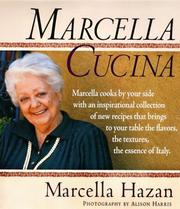
A natural follow-on to Hazan's Essentials, this book goes deeper into the everyday dishes of her native Emilia-Romagna and beyond, reinforcing the classics with more personal, narrative context.
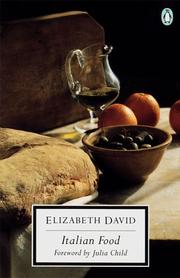
A landmark work that maps the full landscape of Italian regional cooking in prose as much as recipe; reading it after Hazan gives the learner historical and cultural depth to understand why dishes exist, not just how to make them.
Regional Italy: Cooking from the Provinces
IntermediateUnderstand Italy's profound regional diversity — from the butter-and-rice north to the olive-oil-and-pasta south — and cook authentic dishes from each major region.
▸ Study plan for this stage
Pace: 10–12 weeks total, reading all three books sequentially: "Zuppa" in weeks 1–2 (~20–25 pages/day, it's a focused single-subject book); "Lidia's Mastering the Art of Italian Cuisine" in weeks 3–8 (~25–30 pages/day, it's a comprehensive, encyclopedic volume); "Tasting Rome" in weeks 9–11 (~20 pages/day
- Italy's regional identity is culinary identity: the country is best understood as a mosaic of distinct food cultures shaped by geography, climate, and history rather than a single national cuisine.
- The North–South divide in fats and starches: northern regions (Lombardy, Piedmont, Veneto, Emilia-Romagna) rely on butter, lard, rice, and polenta, while southern regions (Campania, Calabria, Sicily) are defined by olive oil, dried pasta, and legumes — a distinction Lidia Bastianich maps systematica
- Soup as a regional lens: Anne Bianchi's 'Zuppa' uses the single format of soup to reveal how the same concept — a humble, liquid-based dish — transforms completely from region to region, illustrating that technique and ingredient sourcing are inseparable from place.
- Rome as a case study in cucina povera: 'Tasting Rome' by Katie Parla shows how the Eternal City developed a fiercely local cuisine built on offal (quinto quarto), cured meats, and a handful of iconic pasta shapes (cacio e pepe, carbonara, amatriciana) that resist outside influence.
- The role of the contadino (peasant farmer) tradition: across all three books, dishes that are now celebrated were born of scarcity — using every part of the animal, stretching legumes and grains, and preserving seasonal produce.
- Seasonal and hyperlocal sourcing as a non-negotiable: Lidia Bastianich emphasizes that authentic regional cooking depends on matching ingredients to their place of origin (San Marzano tomatoes, Parmigiano-Reggiano DOP, Carnaroli rice), and 'Tasting Rome' reinforces this through its market and vendor
- Technique varies by region, not just ingredients: fresh egg pasta dominates Emilia-Romagna; extruded dried pasta dominates the south; risotto technique is native to the Po Valley. Understanding WHY a technique belongs to a region deepens replication at home.
- Reading a recipe as cultural document: all three books frame recipes with historical and social context — learning to read the headnotes and introductions in Lidia's book and Parla's essays is as important as following the method.
- After reading 'Zuppa,' can you name at least five Italian regions and describe how their signature soups differ in base, fat, protein, and starch — and explain what geographic or historical factor drives each difference?
- Lidia Bastianich organizes her book around regions and then technique categories. Which three northern regions does she treat as most distinct, what are their defining pantry staples, and how does she say they differ from the cuisine of the Mezzogiorno (the south)?
- What does Katie Parla mean by 'quinto quarto' in 'Tasting Rome,' which specific dishes exemplify it, and how does this tradition reflect Rome's social and economic history?
- Across all three books, olive oil appears in southern recipes and butter in northern ones. Can you trace at least two specific dishes — one from each fat tradition — through the books and explain how the choice of fat changes the flavor profile and technique?
- How do Anne Bianchi and Lidia Bastianich each approach the concept of 'cucina povera'? Where do their perspectives align, and where does Parla's Roman focus add a city-specific dimension to that concept?
- After completing all three books, can you mentally map Italy's 20 regions and assign each a signature dish, a dominant fat or starch, and at least one technique that is native to that region?
- The Regional Soup Project (tied to 'Zuppa'): Cook one soup per week from a different Italian region as you read Bianchi's book. Keep a tasting journal noting the dominant fat, the legume or grain used, and what the recipe tells you about that region's landscape and economy.
- The Lidia Pantry Audit: Before diving into Lidia Bastianich's regional chapters, build a two-column pantry list — 'Northern Staples' vs. 'Southern Staples' — sourced directly from her ingredient introductions. Then shop for and cook one complete meal from each column, comparing textures, richness, and flavor profiles side by side.
- Fresh Pasta vs. Dried Pasta Cook-Off: Using Lidia Bastianich's fresh pasta dough recipe (an Emilian technique), make a batch of tagliatelle and serve it with a northern ragù. On a separate day, cook a southern dried pasta dish (e.g., pasta al pomodoro with San Marzano tomatoes). Write a one-page reflection on how the pasta format changes the dish's character.
- The Roman Triad (tied to 'Tasting Rome'): Cook all three of Rome's canonical pasta dishes — cacio e pepe, tonnarelli alla carbonara, and bucatini all'amatriciana — in a single weekend using Parla's recipes. Focus on the technique differences (emulsification in cacio e pepe, egg tempering in carbonara, guanciale rendering in amatriciana) and note how each one reflects a different facet of Roman pan
- Regional Mapping Exercise: Draw or print a blank map of Italy's 20 regions. After finishing each book, annotate the map with dishes, key ingredients, and techniques mentioned in that book. By the end of week 12 you should have a richly annotated culinary atlas built entirely from the three books in this stage.
- Cross-Book Ingredient Trace: Choose one ingredient that appears in all three books (e.g., guanciale, pecorino, or dried cannellini beans). Write a one-page 'ingredient biography' tracing how each author uses it, in which region, in what dish, and with what technique — then cook the three resulting dishes to taste the regional variation firsthand.
Next up: Mastering regional identity and its pantry logic in this stage gives the reader the geographic and cultural framework needed to tackle the next stage's deeper focus on advanced technique and Italian culinary tradition — because you can now ask not just "how do I make this?" but "why does this region make it this way?"
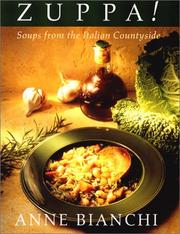
Soups and one-pot dishes are the heart of cucina povera across every Italian region; this focused lens reveals how geography and poverty shaped Italy's most honest cooking.

Bastianich organizes the Italian kitchen by region and technique, making it the ideal intermediate guide to understanding how Tuscany, Sicily, Veneto, and Campania each have a distinct culinary identity.

A deep, authoritative dive into one of Italy's most distinctive regional cuisines — Roman cooking — teaching dishes like cacio e pepe, carbonara, and coda alla vaccinara in their proper cultural context.
Deeper Craft: Pasta, Bread, and the Long Traditions
IntermediateMaster the handmade techniques that define Italian home cooking at its most skilled: fresh pasta from scratch, slow-cooked ragù, and the bread and pizza traditions of the Italian home.
▸ Study plan for this stage
Pace: 6–8 weeks total: Weeks 1–3 on "The Geometry of Pasta" (~20–25 pages/day, pausing to study diagrams and shape charts closely); Weeks 4–8 on "Pasta Grannies" (~15–20 pages/day, reading each recipe twice — once for story, once for technique).
- Shape-to-sauce pairing logic: how the geometry and surface texture of each pasta form (ridges, tubes, folds, strands) is engineered to capture specific sauces, as mapped in The Geometry of Pasta
- Dough typology: understanding the difference between egg-based fresh pasta doughs and semolina-and-water doughs, and how regional identity drives which is used
- The grammar of handmade pasta: how hand-rolling (sfoglia), cutting, shaping, and extruding each produce distinct textures and mouthfeels
- Regional specificity as a guiding principle: Pasta Grannies reveals that Italian home cooking is not one tradition but dozens of hyper-local ones, each with its own shapes, fillings, and sauces
- Slow cooking and ragù logic: the role of time, fat, and collagen in building the long-cooked meat sauces that anchor many of the Pasta Grannies recipes
- Filling and folding techniques: the construction of stuffed pastas (tortellini, ravioli, culurgiones) as both a technical and a cultural act passed down through generations
- The nonna as primary source: Pasta Grannies frames lived, oral, kitchen knowledge as authoritative — understanding why this matters for learning authentic technique
- Mise en place for pasta-making: the tools (mattarello, pasta board, chitarra, corzetti stamp) and conditions (humidity, flour type, resting time) that determine success
- According to The Geometry of Pasta, why would you pair pappardelle with a wild-boar ragù but not with a light clam sauce — what geometric and textural principles are at work?
- What are the key differences between a 00-flour-and-egg dough and a semolina-and-water dough, and which regions of Italy favor each and why?
- After reading Pasta Grannies, can you describe the step-by-step hand technique for at least two stuffed pasta shapes (e.g., tortellini and culurgiones), including how the filling is sealed?
- How does the slow-cooked ragù featured across Pasta Grannies recipes differ in method and ingredient logic from a quick tomato sauce — what does time actually do to the dish?
- What does Pasta Grannies reveal about the relationship between geography, poverty, and pasta shape invention — how did local ingredients and scarcity drive regional variety?
- If you had to teach someone the single most important lesson from each book — one from The Geometry of Pasta and one from Pasta Grannies — what would they be, and how do they complement each other?
- Shape-and-sauce mapping exercise: After finishing The Geometry of Pasta, create a personal reference chart of at least 15 pasta shapes with their ideal sauce matches and the geometric reason why — then cook three pairings back-to-back to taste the logic.
- Make a basic egg pasta dough (00 flour + eggs) and a semolina-water dough in the same session; roll both by hand with a mattarello, cut tagliatelle from each, and compare texture, bite, and sauce-holding ability side by side.
- Pasta Grannies recipe deep-dive: Choose one stuffed pasta from the book (tortellini, ravioli, or culurgiones) and make it twice in one week — first following the recipe exactly, then adjusting the filling based on what you learned from the first attempt.
- Cook a long ragù (minimum 3 hours) from a Pasta Grannies recipe, tasting it at the 45-minute, 90-minute, and 3-hour marks and writing tasting notes on how fat, texture, and flavor evolve — connecting the observation back to the slow-cooking concepts in the book.
- Regional tour exercise: Pick three geographically distinct recipes from Pasta Grannies (e.g., one from Emilia-Romagna, one from Sicily, one from Sardinia) and research the local ingredient landscape that explains each dish — then cook all three and present them as a 'regional tasting menu'.
- Tool familiarity drill: Source or improvise at least two traditional pasta tools mentioned across both books (e.g., a chitarra, a corzetti stamp, or a pasta board), use them in a cooking session, and journal how the tool physically shapes the outcome differently than a knife or machine would.
Next up: Mastering handmade pasta and slow-cooked sauces builds the technical confidence and regional awareness needed to tackle the broader Italian home kitchen — breads, vegetables, meats, and the full meal structure — which the next stage explores.
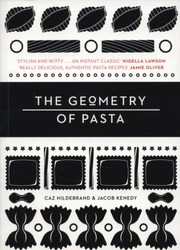
Teaches the logic of matching pasta shapes to sauces — a foundational Italian principle — giving the learner a systematic framework rather than a collection of isolated recipes.

Documents the actual hand techniques of Italian nonnas across every region, providing the most authentic and varied source for fresh pasta, gnocchi, and filled pasta traditions.
Mastery: The Italian Table from Antipasto to Dolci
ExpertCommand the full arc of an Italian meal — from antipasti and cured meats through secondi and contorni to desserts — and cook with the seasonal, improvisational confidence of a true Italian home cook.
▸ Study plan for this stage
Pace: 10–12 weeks total. Weeks 1–8: The Silver Spoon (~35–40 pages/day, reading thematically by chapter — Antipasti → Soups → Pasta → Rice & Polenta → Fish → Meat → Vegetables → Desserts). Weeks 9–12: Plenty (~20–25 pages/day, read alongside active cooking sessions, pairing Ottolenghi's vegetable-forward
- The full arc of an Italian meal (la struttura del pasto): antipasto, primo, secondo, contorno, dolce — and the logic and proportion behind each course
- Foundational Italian flavor architecture: soffritto, battuto, agrodolce, and how fat (olive oil, butter, lard) defines regional identity from North to South
- Mastery of fresh and dried pasta — dough ratios, regional shapes, and the principle of matching sauce weight and texture to pasta format (as codified throughout The Silver Spoon)
- Braising, slow-roasting, and offal cookery as the backbone of Italian secondi — patience and economy as culinary virtues
- Seasonality and the Italian vegetable canon: reading The Silver Spoon's vegetable chapter as a seasonal calendar, then cross-referencing with Plenty's deep vegetable technique (roasting, charring, layering aromatics) to elevate contorni
- Improvisational confidence: understanding The Silver Spoon's recipes as templates, not scripts — learning to substitute by season, region, and what is on hand
- The Italian dessert philosophy: restraint, fruit, nuts, and dairy over elaborate patisserie — crostata, panna cotta, semifreddo, and biscotti as home-cook staples
- Bridging Italian tradition with modern vegetable-forward cooking: using Plenty to deepen understanding of texture contrast, spice layering, and bold vegetable treatments that complement and expand the Italian contorno tradition
- Can you describe the structural logic of a traditional Italian meal and explain why each course exists — what it does for the palate and the table?
- From The Silver Spoon, what are the key regional distinctions in Italian cooking (e.g., butter vs. olive oil, fresh vs. dried pasta, North vs. South) and how do they manifest in specific recipes you have cooked?
- How does The Silver Spoon teach you to match pasta shape to sauce, and what are the underlying principles that let you make that judgment with an unfamiliar combination?
- After reading Plenty alongside The Silver Spoon's vegetable chapter, how would you describe the difference in philosophy between Italian contorni and Ottolenghi's vegetable dishes — and how can each inform the other?
- What does 'cooking with the seasons' mean in practice across both books, and how would you plan a full Italian menu in late autumn using only what is in season?
- How do the dessert recipes in The Silver Spoon reflect broader Italian home-cooking values of simplicity, locality, and restraint?
- Cook one complete, multi-course Italian meal from The Silver Spoon — antipasto through dolce — using a single seasonal ingredient as a through-line (e.g., fennel in winter, zucchini in summer), and journal how each course transforms that ingredient differently.
- Master three pasta doughs from The Silver Spoon (e.g., egg pasta, semolina pasta, and a stuffed pasta dough) and pair each with two different sauces, deliberately choosing pairings that test the shape-to-sauce matching principle.
- Choose five vegetable recipes from Plenty and five from The Silver Spoon's vegetable chapter that feature the same core vegetable (e.g., eggplant, cauliflower, or artichoke). Cook them back to back and write a one-page comparison of technique, flavor profile, and how each could serve as a contorno in an Italian meal.
- Tackle a classic Italian braise from The Silver Spoon (e.g., osso buco, coda alla vaccinara, or stracotto) from start to finish, focusing on the soffritto base, the deglazing logic, and the finishing adjustments — then serve it with a contorno designed using a technique borrowed from Plenty.
- Plan and execute a full Italian Sunday lunch (pranzo della domenica) for at least four people, sourcing ingredients from a farmers' market or seasonal supplier. The menu must include at least one recipe from each major course category in The Silver Spoon, with a vegetable side elevated by a technique from Plenty.
- Create a personal 'seasonal substitution map': for each major chapter in The Silver Spoon (pasta, fish, meat, vegetables, desserts), list three recipes and write out two seasonal or regional substitutions for the key ingredient — building your own improvisational reference guide.
Next up: Commanding the full Italian meal structure and developing vegetable-forward improvisational confidence through The Silver Spoon and Plenty equips the reader to move into any next stage focused on regional deep-dives, advanced pastry and bread, or cross-cultural culinary comparison — because they now possess both the structural grammar of Italian cooking and the creative flexibility to adapt it.
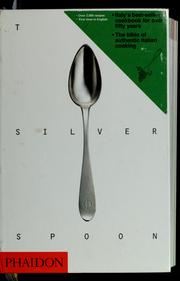
Italy's most comprehensive home-cooking bible, originally published for Italian households; at this stage the learner has the vocabulary to use it as a true reference, exploring its 2,000+ recipes with genuine understanding.

While not strictly Italian, reading a master of vegetable-forward Mediterranean cooking at this stage sharpens the learner's eye for the contorni and vegetable dishes that are central to the Italian table but often overlooked.
Discussion
Keep reading
Paths that share books, cover the same subject, or open a related topic.