Hawaiian cooking is a story of immigration on a plate: Native Hawaiian, Japanese, Chinese, Filipino, Portuguese, and Korean traditions folded together into a genuinely local cuisine. Understanding that history is the key that makes the recipes make sense — why Spam sits next to poke, why the plate lunch looks the way it does.
The path is built to teach that context first, then the everyday home cooking, then the refined Pacific Rim style that put Hawaiian food on the fine-dining map.
Understand the food history
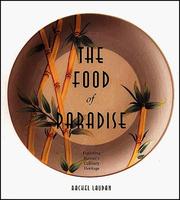
Start with The food of Paradise, Rachel Laudan's scholarly and readable history of how Hawaii's food culture formed. It frames everything that follows, so the fusion feels earned rather than random.
Cook the local home table
Move into everyday cooking with Hawaii Cooks: Flavors from the Pacific Rim and Aloha Kitchen: Recipes from Hawai'i, Alana Kysar's warm, authoritative book on the dishes locals actually eat. The Lure of the Local and Hawaii's Best Local Dishes, Jean Watanabe Hee's beloved collections, add the community-cookbook staples that define home kitchens across the islands.
Master poke and seafood
Seafood deserves its own focus. The poke cookbook, Martha Cheng's guide to Hawaii's signature dish, teaches the technique and endless variations, from classic ahi shoyu to modern bowls.
Reach for the chef's table
Finally, see how master chefs elevate these roots. Roy's Fish and Seafood, Roy Yamaguchi's Pacific Rim cooking, and Alan Wong's new wave luau show the refined fusion that grew from island home cooking. They close the path by connecting the everyday plate lunch to world-class restaurant food.
Follow the full path for the stage-by-stage reading plan.
Follow the full reading path →
Ready to learn something deeply?
Build a reading path — free