Best books on molecular gastronomy and modernist cooking
This curriculum is designed for expert-level learners who already have a strong foundation in cooking and food science, diving straight into the rigorous science and technique behind molecular gastronomy. The three stages move from the theoretical underpinnings of modernist cuisine, through hands-on mastery of specific techniques like spherification, gels, and foams, to the cutting-edge frontiers of culinary science and professional-level reference work.
Scientific Foundations of Modernist Cuisine
ExpertEstablish a rigorous scientific framework for understanding why modernist techniques work — covering colloid chemistry, hydrocolloids, heat transfer, and the physics of flavor — at an expert level.
▸ Study plan for this stage
Pace: 8–10 weeks, ~40–50 pages/day (McGee first: 4–5 weeks; Fat Duck Cookbook: 4–5 weeks)
- Colloid chemistry and emulsions: how oil-water systems stabilize through emulsifiers, and why traditional sauces (hollandaise, mayonnaise) work at the molecular level
- Hydrocolloids (gelatin, agar, xanthan gum, methylcellulose): their chemical structure, gelling mechanisms, and how they modify texture without adding fat
- Heat transfer principles: conduction, convection, and radiation; how temperature control enables precise protein denaturation and Maillard reactions
- Protein denaturation and coagulation: the physical and chemical changes that occur when proteins are heated, and how this relates to texture and structure
- Flavor chemistry and taste perception: volatile compounds, taste receptors, and how modernist techniques isolate, concentrate, or transform flavor molecules
- The physics of foams and spheres: how gas bubbles stabilize in foams, and how spherification creates liquid-filled gel spheres through ionic gelation
- Water activity and preservation: how controlling moisture and osmotic pressure extends shelf life and creates novel textures
- Modernist technique as applied chemistry: understanding that techniques like sous-vide, spherification, and foam-making are direct applications of colloid science and thermodynamics
- Explain the molecular mechanism by which an emulsifier (such as lecithin) stabilizes an oil-in-water emulsion, and why traditional emulsions like mayonnaise can break if the oil is added too quickly
- What is the chemical difference between agar and gelatin, and why does agar gel set at a higher temperature and remain stable over a wider pH range than gelatin?
- Describe the three mechanisms of heat transfer (conduction, convection, radiation) and explain why sous-vide cooking uses conduction to achieve precise doneness while traditional roasting relies on convection and radiation
- How does protein denaturation relate to texture change in cooking, and why do different proteins (collagen, myosin, albumin) denature at different temperatures?
- What is spherification, and how does the chemistry of sodium alginate and calcium chloride create a gel membrane that encapsulates liquid?
- Explain how modernist foams are stabilized and why the choice of hydrocolloid (xanthan gum vs. methylcellulose) affects foam structure and mouthfeel
- Prepare three classical emulsions (mayonnaise, hollandaise, beurre blanc) while documenting the temperature, emulsifier concentration, and oil addition rate; deliberately break one and explain the molecular cause
- Create agar and gelatin gels with identical flavorings but different pH levels (acidic, neutral, alkaline) and compare gel strength, clarity, and texture; explain the chemical differences
- Conduct a sous-vide experiment: cook three identical protein samples (egg white, fish fillet, beef) at different temperatures (55°C, 63°C, 75°C) for varying times; measure texture and relate to protein denaturation curves from McGee
- Perform basic spherification: make sodium alginate spheres with different flavor liquids and calcium chloride bath concentrations; vary bath time and measure membrane thickness; document how gel layer formation relates to ion diffusion
- Prepare two foams using the same base liquid but different hydrocolloids (xanthan gum vs. methylcellulose); measure bubble size, stability over time, and mouthfeel; explain structural differences
- Design and execute a heat transfer experiment: cook the same item (e.g., a potato) using three methods (boiling/convection, oven roasting/radiation, sous-vide/conduction) and compare internal temperature profiles, texture, and flavor development
Next up: This stage establishes the rigorous scientific vocabulary and mechanistic understanding needed to innovate beyond published recipes—preparing you to explore advanced modernist applications, ingredient interactions, and the creative problem-solving that defines contemporary culinary science.
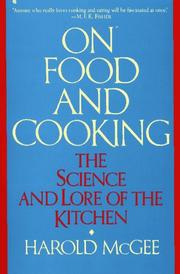
The canonical reference for the science behind ingredients and cooking processes. Even at expert level, McGee's deep dives into protein denaturation, emulsification, and gel formation provide the precise chemical vocabulary that all subsequent modernist literature assumes you have.
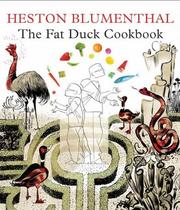
Blumenthal documents the scientific reasoning behind each dish at The Fat Duck, bridging food science theory and avant-garde practice. Reading this after McGee shows how rigorous chemistry translates into real restaurant-level innovation.
Mastering Modernist Techniques
ExpertDevelop deep, hands-on command of the core techniques of molecular gastronomy — spherification, hydrocolloid gels, foams, emulsions, and sous vide — with enough mechanistic understanding to troubleshoot and innovate.
▸ Study plan for this stage
Pace: 12–14 weeks, ~40–50 pages/day, with 2–3 days per week dedicated to hands-on practice and technique refinement
- Spherification chemistry: sodium alginate, calcium chloride, and the ionic gelation mechanism that creates liquid-filled spheres with controlled membrane thickness
- Hydrocolloid selection and application: understanding gelling agents (agar, gelatin, carrageenan, xanthan gum) and their functional properties (gel strength, thermoreversibility, synergy effects)
- Foam science: the role of proteins, emulsifiers, and air incorporation in creating stable foams; how to manipulate bubble size and texture through whipping, siphon pressure, and stabilizer choice
- Emulsion principles: oil-in-water vs. water-in-oil systems, the role of lecithin and other emulsifiers, and how to diagnose and prevent breaking
- Sous vide fundamentals: precision temperature control, protein denaturation curves, enzymatic activity at low temperatures, and vacuum-sealing techniques for optimal results
- Mechanistic troubleshooting: diagnosing failures in spheres, gels, foams, and emulsions by understanding the underlying chemistry and adjusting pH, temperature, hydrocolloid ratios, or technique
- Modernist flavor extraction and concentration: using hydrocolloids and precision cooking to intensify, isolate, and reimagine traditional flavors
- Innovation through technique combination: layering spherification with sous vide, using foams to deliver hydrocolloid-stabilized emulsions, and designing dishes that integrate multiple techniques
- Explain the ionic gelation mechanism in spherification: what happens at the interface between sodium alginate and calcium chloride, and how does bath concentration affect membrane thickness?
- Compare three hydrocolloids (e.g., agar, carrageenan, xanthan gum) in terms of gel strength, thermoreversibility, and synergy with other ingredients; when would you choose each?
- Describe the chemistry of foam stability: what role do proteins and emulsifiers play, and how would you troubleshoot a foam that collapses within minutes?
- What is the difference between an oil-in-water and water-in-oil emulsion, and how would you diagnose which type you've created? What would you do if your emulsion breaks?
- Explain how sous vide precision temperature control affects protein denaturation and enzyme activity; why might cooking a protein at 56°C for 2 hours produce a different result than 65°C for 30 minutes?
- Design a troubleshooting protocol: you've made spheres that are too thick-walled and bursting. Walk through the variables you would adjust and why.
- How can you combine spherification, sous vide, and hydrocolloid gels in a single dish? What are the technical and flavor-driven reasons for doing so?
- Execute 5 spherification trials with different sodium alginate concentrations (0.5%, 1%, 1.5%) and calcium chloride bath strengths, measuring membrane thickness and documenting texture; identify the sweet spot for your preferred sphere type
- Prepare hydrocolloid gel samples using agar, carrageenan, and xanthan gum at varying concentrations; conduct texture tests (firmness, brittleness, mouthfeel) and document synergy effects when combining two hydrocolloids
- Create foams using three different stabilization methods: whipped egg white, lecithin-stabilized foam, and siphon-based foam with hydrocolloid; compare stability over 24 hours and analyze bubble structure if possible
- Make a classical emulsion (e.g., mayonnaise or beurre blanc) and deliberately break it, then diagnose and repair the break using temperature, whisking, or an emulsifier adjustment; document what went wrong
- Cook a protein (e.g., salmon fillet, chicken breast) using sous vide at three different temperatures (52°C, 56°C, 62°C) for the same duration; taste, texture, and compare to conventional cooking
- Design and execute a modernist dish that integrates at least three techniques from the stage (e.g., sous vide protein with spherified sauce and hydrocolloid foam); document the rationale, execution, and results
- Troubleshoot a failed technique from your practice: if a foam collapsed, a sphere burst, or an emulsion broke, conduct a root-cause analysis using the mechanistic principles from the readings and re-execute with adjustments
Next up: This stage equips you with the mechanistic mastery and hands-on fluency in core modernist techniques, positioning you to explore advanced applications—such as flavor encapsulation, texture layering, and the integration of modernist methods into larger culinary narratives—in the next stage.
A distillation of the full Modernist Cuisine set into an expert-accessible volume, covering the science of gels, foams, and spherification with precise ratios and explanations. Start here before the full set to internalize the framework efficiently.
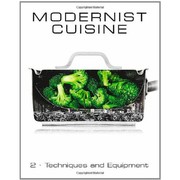
The definitive encyclopedic reference on modernist cooking science. At expert level, this six-volume set is the primary source for the physics of heat transfer, hydrocolloid behavior, emulsion stability, and every technique from basic spherification to transglutaminase applications.

A food-science-level technical reference on the hydrocolloids (agar, carrageenan, methylcellulose, xanthan, etc.) that underpin gels and foams. Provides the polymer chemistry depth that culinary books gloss over, essential for expert-level formulation.
Cutting-Edge Practice & Culinary Innovation
ExpertSynthesize scientific mastery with creative and professional practice, understanding how leading chefs and food scientists push the boundaries of texture, flavor, and form — and how to design original modernist dishes.
▸ Study plan for this stage
Pace: 8–10 weeks, ~40–50 pages/day (alternating between conceptual reading and hands-on practice sessions)
- The scientific method applied to culinary technique: hypothesis, experimentation, and iteration as core to modernist cooking
- Hydrocolloids, emulsifiers, and molecular ingredients as tools for transforming texture and structure beyond traditional methods
- Bread as a complex biochemical system: fermentation, gluten development, hydration, and the Maillard reaction as controllable variables
- Flavor encapsulation and release mechanisms: how modernist techniques isolate, concentrate, and deliver taste compounds
- The relationship between precision (measurement, temperature, timing) and creativity in designing original dishes
- Sensory science and perception: how molecular techniques manipulate mouthfeel, aroma, and visual presentation to shape the dining experience
- Scaling and reproducibility: documenting recipes as protocols to ensure consistency and enable innovation across iterations
- How does Vega's framework for treating the kitchen as a laboratory differ from traditional recipe-based cooking, and what are the practical advantages of this approach?
- What are the key variables in bread fermentation and hydration that Myhrvold identifies, and how can manipulating these variables produce radically different bread structures and flavors?
- Describe three modernist techniques from Vega's work and explain the underlying science of how each transforms a traditional ingredient or dish
- How do hydrocolloids and emulsifiers function at the molecular level, and what specific textural outcomes can you achieve by combining them in novel ways?
- Design an original modernist dish that synthesizes a scientific principle from Vega with a technique from Myhrvold; justify your choices with reference to the texts
- What role does precision measurement and documentation play in modernist cooking, and how does it enable both reproducibility and innovation?
- Read and annotate Vega's introduction and methodology sections; create a one-page summary of his scientific framework and identify 3–4 core principles you'll apply throughout the stage
- Conduct a controlled fermentation experiment with bread dough, varying hydration levels (60%, 70%, 80%) while keeping all other variables constant; document observations on gluten development, rise time, and final crumb structure
- Prepare two versions of a classic dish (e.g., risotto, sauce, or soup) using one traditional method and one modernist technique from Vega; conduct a blind sensory comparison and analyze the differences in texture, mouthfeel, and flavor perception
- Study Myhrvold's chapters on dough chemistry and baking science; create a detailed protocol for a single bread recipe, documenting temperature, hydration, fermentation time, and expected outcomes—then execute it twice and compare results
- Design and execute an original modernist dish that combines at least two techniques from Vega (e.g., spherification + foam, gel + powder) with a principle from Myhrvold (e.g., controlled fermentation, precise hydration); document your hypothesis, method, and sensory results
- Reverse-engineer a modernist dish from a professional chef (research online or from the texts); identify the scientific principles at work and attempt to recreate it, documenting where your version diverges and why
Next up: This stage equips you with both the theoretical foundation and practical mastery to understand how cutting-edge chefs innovate—preparing you to explore the business, cultural, and ethical dimensions of modernist cuisine, or to specialize in a particular culinary domain (pastry, savory, fermentation) at the professional level.

A peer-reviewed collection of essays by food scientists and chefs examining the science of specific modernist techniques. It bridges academic food science and culinary application in a way no single-author book does, ideal for experts who want research-level depth.

Applies the same rigorous Modernist Cuisine methodology to fermentation, gluten networks, and starch gelatinization. Reading this after the core Modernist Cuisine volumes reveals how the same scientific principles extend and deepen across different culinary domains.
Discussion
Keep reading
Paths that share books, cover the same subject, or open a related topic.