Georgian cuisine is having its moment, and for good reason: cheese-filled khachapuri, soup dumpling khinkali, walnut sauces, fresh herbs, and a feasting culture — the supra — built around toasting and generosity. It is distinct from Russian and Middle Eastern food, and it rewards cooks who learn it on its own terms.
The path starts with the definitive Georgian sources, widens to the surrounding Caucasus and its neighbors, then finishes with the fermentation and wine traditions that are inseparable from the food.
Master the Georgian core
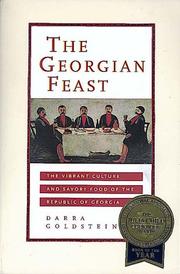
Start with two authoritative books. The Georgian feast, Darra Goldstein's award-winning classic, is the foundational English-language text — history, technique, and the essential recipes. Tasting Georgia, Carla Capalbo's vivid regional tour, deepens it with the people and places behind the dishes. These two are the heart of the path.
Explore the wider Caucasus
Georgian food does not sit in isolation. Kaukasis, Olia Hercules's book on the broader Caucasus, and Lavash, the celebrated book on Armenian cooking, show the shared bread, herb, and pomegranate traditions of the region. Pomegranates & Artichokes extends the palette toward Persia, revealing the flavor bridges that run across the whole area. Zaitoun rounds out the eastern-Mediterranean context.
Learn fermentation and wine
No Georgian table is complete without preserved foods and wine — Georgia is arguably the birthplace of winemaking. The art of fermentation, Sandor Katz's deep reference, illuminates the pickles and cultured foods central to the cuisine, while The science of wine, Jamie Goode's clear guide, prepares you to appreciate the ancient qvevri wines that complete any supra.
Follow the full path to see each book placed in its stage with a study plan.
Follow the full reading path →
Ready to learn something deeply?
Build a reading path — free