Homemade pasta from scratch
This curriculum takes a beginner from understanding the fundamental feel and science of fresh pasta dough all the way through mastering regional shapes, complex fillings, and the art of pairing sauces. Each stage builds on the last: you first develop hands and intuition, then expand your repertoire of shapes and fillings, and finally reach the level of a confident, creative pasta cook who understands the "why" behind every choice.
Foundations: Dough, Touch & First Shapes
BeginnerUnderstand the core doughs (egg, semolina, water), develop the feel for proper hydration and kneading, and successfully make a handful of classic shapes by hand.
▸ Study plan for this stage
Pace: 6–8 weeks total: Weeks 1–3 on "Pasta Grannies" (~20–25 pages/day, reading slowly and studying the grannies' techniques and regional notes); Weeks 4–8 on "Mastering Pasta" (~15–20 pages/day, pausing frequently to study Vetri's technical explanations, ratio charts, and flour/egg breakdowns). Plan at l
- The three foundational dough types — egg-and-flour (00 or AP), semolina-and-water, and mixed semolina/egg — and when each is traditionally used by region
- Flour science: how protein content, grind size (00 vs semolina vs farro), and starch structure affect gluten development and final texture, as explained in Vetri's opening chapters
- Hydration ratios: understanding why Vetri specifies precise egg-to-flour weights and how humidity, flour brand, and altitude require on-the-fly adjustment — the 'feel' the Pasta Grannies demonstrate intuitively
- Kneading technique and gluten development: the push-fold-turn rhythm, recognizing when dough is properly smooth and elastic vs. under- or over-worked
- Resting the dough: why wrapping and resting (minimum 30 minutes) is non-negotiable for relaxing gluten before shaping
- Hand-shaping fundamentals for beginner shapes: tagliatelle/pappardelle (rolling and cutting), orecchiette (thumb-drag technique from Pasta Grannies), and cavatelli (board-roll technique)
- Reading dough feedback: visual and tactile cues — surface sheen, spring-back, tackiness — that signal readiness at each stage, drawn from the grannies' lived knowledge and Vetri's technical annotations
- The role of salt and eggs: why salt is added to water (not dough) for most shapes, and how egg yolk ratio affects richness, color, and structure per Vetri's yolk-heavy recipes
- After reading 'Pasta Grannies,' can you name at least three Italian regions and explain which dough type (egg vs. semolina-water) is traditional there and why?
- What does Vetri say about the difference between 00 flour and semolina in terms of protein and grind, and how does each affect the chew and surface texture of finished pasta?
- How do you know when a dough has been kneaded enough? Describe at least three tactile and visual cues drawn from both books.
- Why must dough rest before shaping, and what happens at a gluten level if you skip this step?
- Walk through the thumb-drag motion for orecchiette as demonstrated by the grannies: what angle, pressure, and board surface produce the characteristic cup shape?
- Using Vetri's ratio framework, how would you adjust a standard egg-dough recipe if your dough feels too stiff after kneading — and what might have caused it?
- **Dough comparison bake-off (Week 2):** Make three small batches side-by-side — 00/egg, semolina/water, and a 50-50 blend — using recipes from 'Pasta Grannies.' Cook a small portion of each plain and record differences in color, texture, chew, and smell in a pasta journal.
- **Hydration ladder drill (Week 4–5, inspired by Vetri's ratio chapters):** Make the same egg dough three times, varying hydration by ±5% each time. Note how each batch feels during kneading and how it rolls and cuts differently.
- **Kneading timer exercise:** Knead a batch for only 3 minutes, then another for 8–10 minutes. Rest both, roll both, and compare elasticity, surface smoothness, and how they cook — documenting results to internalize Vetri's guidance on gluten development.
- **Pasta Grannies shape sprint:** Over two sessions, hand-shape orecchiette and cavatelli using only a bench scraper and your thumb, following the grannies' techniques. Aim for 50 pieces of each to build muscle memory and consistency.
- **Pasta journal — sensory vocabulary:** After every cooking session, write 3–5 sentences describing the dough's feel at each stage (just mixed, mid-knead, post-rest, rolled out). Over the stage, you'll build the tactile vocabulary both books assume you'll develop.
- **Cook and critique:** For each shape you make, cook a small test portion in well-salted water and evaluate: Did it hold together? Was the texture silky or gummy? Was the thickness even? Cross-reference your results with Vetri's troubleshooting notes and the grannies' visual standards in the book's photography.
Next up: Mastering the feel of foundational doughs and simple hand-cut or thumb-shaped pasta in this stage gives you the tactile baseline and flour knowledge needed to confidently move into more complex extruded shapes, laminated doughs, and filled pastas (like tortellini or ravioli) in the next stage, where precise dough thinness and structural integrity become critical.

A warm, accessible entry point built around real Italian nonnas. It demystifies fresh pasta through simple, authentic recipes and teaches the beginner that good pasta is about feel and tradition, not perfection.

Read second to add structure and depth to the intuition gained from Pasta Grannies. Vetri explains the science of flour types, egg ratios, and hydration in plain language, giving beginners a reliable framework for every dough they will ever make.
Shapes & Regional Traditions
IntermediateLearn the full spectrum of hand-formed shapes — from pici and orecchiette to tagliatelle and pappardelle — and understand how Italy's regions dictate dough type and shape together.
▸ Study plan for this stage
Pace: 6–8 weeks total: Weeks 1–3 cover "The Geometry of Pasta" (~20–25 pages/day, pausing to sketch or note shape families); Weeks 4–7 cover "Pasta by Hand" (~15–20 pages/day, with at least one hands-on session per week tied to the shapes in that week's reading); Week 8 is a consolidation week — no new re
- Shape–sauce affinity: Hildebrand's core thesis that every pasta shape has a geometrically 'correct' sauce partner, and why surface area, ridges, and hollows matter mechanically
- Regional dough identity: how geography, climate, and grain availability produced distinct dough traditions — egg-rich sfoglia in Emilia-Romagna vs. water-and-semolina impasto in Puglia and Tuscany
- Hand-forming taxonomy: the distinction between rolled-and-cut shapes (tagliatelle, pappardelle, maltagliati), dragged/pulled shapes (pici, busiate), pinched shapes (orecchiette, garganelli), and extruded/wrapped shapes
- Pici technique: the Tuscan art of hand-rolling thick, rope-like strands entirely by palm pressure — understanding dough hydration and friction as tools
- Orecchiette technique: the Puglian knife-drag-and-curl motion, the role of semolina grit for texture, and the 'ear' shape's function in catching chunky sauces
- Sfoglia rolling discipline: Jenn Louis's instruction on achieving even, wide sheets for ribbon pastas — understanding thickness gradients and how they affect bite
- Shape–region mapping: being able to place at least 15 shapes on a mental map of Italy and explain the agricultural or cultural reason for each
- Dough hydration and flour choice as regional variables: how '00' flour, semolina rimacinata, and blended flours each behave differently under hand pressure and affect final texture
- According to Hildebrand's geometric logic, why would a wide, flat pappardelle be poorly matched with a light clam broth, and what structural property of the pasta drives that conclusion?
- What are the key differences in dough composition between a traditional Emilian tagliatelle dough and a Puglian orecchiette dough, and how does each dough's behavior reflect its regional flour and climate?
- Walk through the hand motions Jenn Louis describes for forming orecchiette from scratch — what does the knife angle do, and what does the thumb-curl accomplish?
- How does Hildebrand use the concept of 'geometry' to argue that pasta shape is not arbitrary but functional? Give two specific shape examples from the book to support this.
- From 'Pasta by Hand,' what distinguishes pici from other hand-rolled long pastas, and what dough properties make it possible to stretch each strand to its characteristic length without tearing?
- Name at least four Italian regions covered across both books and, for each, identify the defining dough type and at least one signature shape — explaining the link between the two.
- Shape-mapping poster: After finishing Hildebrand, draw or print a blank map of Italy and annotate it with every shape mentioned in both books, color-coding by dough type (egg, semolina-water, blended). Pin it above your workspace for the rest of the stage.
- Geometry taste test: Make the same simple tomato sauce and pair it with three shapes from Hildebrand that he rates as contrasting matches (e.g., one wide ribbon, one ridged tube, one smooth strand). Eat them side by side and write a one-paragraph sensory note on how the shape changes the eating experience.
- Pici marathon session: Using Jenn Louis's dough formula and technique, hand-roll a full batch of pici, aiming for consistent thickness across every strand. Time yourself, note where strands break, and adjust hydration or resting time on a second attempt the same week.
- Orecchiette drill: Practice the knife-drag-and-curl motion described in 'Pasta by Hand' for 30 minutes on a small dough portion, then photograph your results. Compare the 'ear' depth and curl consistency across your first 20 pieces vs. your last 20 — document the improvement.
- Sfoglia ribbon session: Roll a full sfoglia sheet by hand to tagliatelle thickness (per Jenn Louis's guidance), fold, and cut both tagliatelle and pappardelle widths from the same sheet. Cook both and note how the width difference changes texture and sauce-holding in a browned butter sauce.
- Regional dough comparison bake-off: On one day, make a semolina-water dough (Puglian style) and an egg-'00' dough (Emilian style) side by side. Form the same simple shape (e.g., a small flat square) from each, cook them together, and write tasting notes comparing elasticity, chew, and color — grounding your observations in what both books say about these dough traditions.
Next up: Mastering how regional identity governs dough type and shape sets up the natural next question — how do fillings, layering, and enclosure transform those same doughs into stuffed and baked pastas — which is the focus of the following stage.
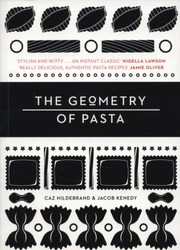
A visually precise guide that maps every major pasta shape to its ideal sauce and regional origin. Reading it now cements the logic of why shape and sauce are inseparable, which governs every decision going forward.

Focuses exclusively on hand-formed, extruded, and rolled shapes with step-by-step technique. It expands the learner's physical repertoire well beyond the basics and introduces less common regional forms.
Filled Pasta: Fillings, Folds & Technique
IntermediateMaster the art of filled pasta — tortellini, ravioli, agnolotti, and more — including balancing fillings, sealing dough properly, and matching delicate shapes to appropriate sauces.
▸ Study plan for this stage
Pace: 6–8 weeks total: Weeks 1–3 focus on "Autentico" by Rolando Beramendi (~25–30 pages/day, reading filled pasta chapters closely and revisiting dough sections); Weeks 4–7 shift to "The Italian Cooking Encyclopedia" by Carla Capalbo (~30–35 pages/day, using it as a regional and technical reference); Wee
- Dough hydration and thickness calibration for filled pasta — filled shapes require thinner, more pliable sheets than flat pasta to avoid gummy seams when cooked
- Filling balance: the interplay of fat (ricotta, butter, marrow), protein (meat, cheese), aromatics, and binders (egg yolk, breadcrumbs) so fillings hold their shape and complement rather than overwhelm the dough
- Sealing technique: eliminating air pockets, using water or egg wash at the right moment, and applying consistent pressure to prevent blowouts during boiling
- Regional shape identity as explored in Autentico — understanding that tortellini, agnolotti dal plin, and cappellacci each carry specific regional logic (Emilia-Romagna, Piedmont, Ferrara) that dictates both filling composition and fold geometry
- The encyclopedia's systematic approach in The Italian Cooking Encyclopedia: using it to cross-reference regional variations, ingredient substitutions, and the vocabulary of Italian filled pasta across Italy's 20 regions
- Sauce pairing philosophy for delicate filled pasta — why rich, assertive fillings call for simple butter-and-sage or light broths, and how to avoid flavor competition between filling and sauce
- Resting, storing, and freezing filled pasta without compromising seal integrity or dough texture
- Troubleshooting common failures: torn seals, waterlogged fillings, uneven cooking, and dough that dries out before shaping
- After reading Autentico, can you explain why Beramendi emphasizes the provenance of specific filled pasta shapes, and how does regional authenticity influence both the filling ingredients and the folding method he demonstrates?
- What structural role does fat play in a well-balanced filling, and how do the recipes in both books guide you to adjust moisture levels so the filling doesn't rupture the dough during cooking?
- Using The Italian Cooking Encyclopedia as a reference, how do the filled pasta traditions of Emilia-Romagna differ from those of Piedmont in terms of typical filling ingredients, dough thickness, and customary sauces?
- What are the critical steps — drawn from the techniques in both books — for achieving an airtight seal on tortellini and agnolotti, and what visual or tactile cues tell you the seal is secure?
- How do both authors approach sauce pairing for filled pasta, and what shared principle can you extract about why heavy, complex sauces are generally avoided with delicate filled shapes?
- What adjustments to dough recipe, rolling thickness, and resting time would you make if your filled pasta consistently tears at the seams during boiling, based on guidance found in these two books?
- Cook-along with Autentico: Choose one filled pasta recipe from Beramendi (e.g., tortellini or a regional specialty he features) and execute it twice in the same week — first following the recipe exactly, then adjusting the filling seasoning and fat content based on your tasting notes from the first attempt.
- Filling laboratory: Prepare three different fillings side by side (e.g., a ricotta-herb, a meat-based, and a vegetable filling drawn from recipes across both books), taste each raw and cooked inside a test fold, and write a one-paragraph sensory comparison noting balance, moisture, and how each pairs with a simple butter sauce.
- Sealing stress test: Make a batch of dough, cut uniform circles or squares, and practice sealing with (a) water only, (b) egg wash only, and (c) no moisture — then boil all three sets and observe which seals hold, which blow out, and why.
- Shape progression drill: Using The Italian Cooking Encyclopedia as a visual and descriptive reference, practice three distinct shapes in a single session — ravioli, agnolotti dal plin, and tortellini — focusing on consistent sizing, fold geometry, and seal tightness. Photograph each batch and annotate what needs improvement.
- Regional dinner project: Plan and execute a single meal built around one regional filled pasta tradition identified across both books (e.g., a Piedmontese agnolotti dinner). Source or prepare all components — dough, filling, sauce, and accompaniments — as regionally coherent as possible, then write brief tasting notes.
- Sauce pairing experiment: Take one batch of a single filled pasta (same filling, same shape) and serve it three ways — in brodo, with brown butter and sage, and with a light tomato sauce. Evaluate how each sauce changes the perception of the filling and document which pairing best honors the pasta's character.
Next up: Mastering the precision of filled pasta — controlling dough thickness, filling moisture, and seal integrity — builds the foundational discipline needed to tackle long-format and extruded pasta shapes, where consistency of texture and sauce adhesion become the central technical challenges.

Provides deep regional context for filled pastas, explaining how filling ingredients and folding traditions vary by province. This cultural grounding makes the technical steps in the next book far more meaningful.

A comprehensive reference that covers filled pasta types, their classic fillings, and the sauces traditionally paired with them across Italy — ideal as a lookup companion while practicing new shapes.
Sauces & Pairings: The Complete Picture
IntermediateBuild a full sauce repertoire — ragùs, broths, butter sauces, and vegetable-based sauces — and develop confident judgment about which sauce belongs with which pasta.
▸ Study plan for this stage
Pace: 6–8 weeks, ~20–25 pages/day; focus the first 2 weeks on the sauce chapters and regional pasta sections, weeks 3–4 on meat and vegetable-based sauces, and weeks 5–8 on broths, butter sauces, and the full pasta pairing index at the back
- The Italian regional logic behind sauce-pasta pairings — why certain shapes and textures belong with specific sauces (e.g., ridged pasta with chunky ragùs, thin strands with delicate oil- or butter-based sauces)
- Ragù construction: the layered building of soffritto, meat, fat, liquid, and long cooking time as demonstrated across The Silver Spoon's many ragù variations
- Broth-based sauces and pasta in brodo — understanding how the pasta itself becomes a seasoning element when cooked directly in a flavored broth
- Butter and cream sauces: the role of emulsification, pasta water, and timing in achieving a cohesive, coating sauce rather than a greasy or broken one
- Vegetable-based sauces: seasonal thinking, the difference between a sauce built from raw vs. cooked vegetables, and how acidity and sweetness are balanced
- The Silver Spoon's implicit pairing grammar — reading recipe headnotes and ingredient lists to reverse-engineer why a given sauce is matched to a given pasta format
- Fat as a flavor carrier: olive oil vs. butter as a regional and flavor-profile choice, and how each interacts differently with egg pasta vs. semolina pasta
- Sauce consistency and 'mantecatura' — the finishing technique of tossing pasta with sauce off the heat to create a unified, glossy dish
- According to the regional patterns in The Silver Spoon, what distinguishes a northern Italian butter-based pasta dish from a southern olive-oil-based one, and how does the pasta format typically reflect that difference?
- What are the structural stages of a classic ragù as shown in The Silver Spoon's meat sauce recipes, and what role does each stage (soffritto, browning, deglazing, long simmer) play in the final flavor?
- How does The Silver Spoon treat pasta in brodo differently from pasta with a sauce, and what pasta shapes does it favor for broth-based preparations — and why?
- Looking at The Silver Spoon's vegetable-based pasta recipes, what techniques are used to build depth of flavor without meat, and how is sauce consistency controlled?
- If you were handed a fresh pappardelle, a fresh thin tagliolino, and a fresh stuffed tortellino, which sauce categories from The Silver Spoon would you assign to each, and what reasoning from the book supports your choices?
- What finishing techniques appear repeatedly across The Silver Spoon's pasta recipes, and why are they critical to the final texture and cohesion of the dish?
- Cook three ragùs from The Silver Spoon — one beef-based, one pork-based, and one mixed — side by side on the same day; taste them at the 1-hour and 3-hour marks and write tasting notes on how flavor, texture, and color evolve with time
- Select five sauce recipes from The Silver Spoon that span all four sauce families (ragù, broth, butter/cream, vegetable) and pair each with two different fresh pasta shapes you have made yourself; eat both pairings and write a one-paragraph verdict on which pairing the book's logic supports and why
- Make a classic butter-and-sage sauce and practice mantecatura: finish the pasta in the pan with butter, a splash of pasta water, and the sauce, tossing off the heat; repeat until you can achieve a glossy, emulsified coating consistently
- Build a seasonal vegetable sauce from The Silver Spoon using only what is currently in season at your local market; document the substitutions you made and evaluate whether the dish still follows the book's flavor-balance principles
- Create a personal 'pairing matrix' — a one-page chart mapping every pasta shape you have made in this curriculum against the sauce categories from The Silver Spoon, noting at least one specific recipe from the book for each pairing
- Host a tasting dinner where you serve three pasta courses, each representing a different sauce family from The Silver Spoon; ask guests to guess the region of origin of each dish, then discuss the visual and flavor cues that signal regional identity
Next up: Mastering the sauce repertoire and pairing logic in The Silver Spoon gives the reader a complete flavor framework, setting the stage for the next level — advanced technique, regional deep-dives, or menu composition — where sauce and pasta decisions must be made simultaneously and intuitively from scratch.

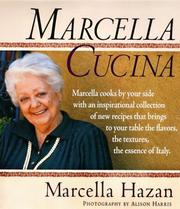
The definitive English-language authority on Italian sauces. Hazan's precise, unfussy recipes and her explanations of why each sauce works with a given pasta shape are essential reading at this stage.
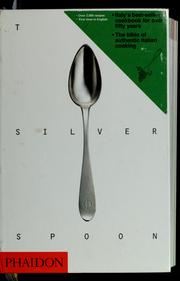
Italy's most comprehensive home-cooking bible, with hundreds of sauce and pasta combinations. Used as a reference after Hazan, it broadens the learner's sauce vocabulary and exposes them to lesser-known regional pairings.
Mastery: Science, Creativity & Refinement
ExpertUnderstand the food science underpinning pasta dough and sauce emulsification, develop the ability to improvise and create original combinations, and refine technique to a professional standard.
▸ Study plan for this stage
Pace: 6–8 weeks total: Weeks 1–2 read "Pasta, pane, vino" cover-to-cover (~25–30 pages/day, savoring the narrative and regional context); Weeks 3–7 work through the relevant pasta and sauce chapters of "The Food Lab" (~20 pages/day with active note-taking on science); Week 8 is a dedicated lab week — no n
- Gluten network development: how hydration percentage, flour protein content (00 vs. semolina vs. all-purpose), and kneading time interact to produce doughs of varying extensibility and bite — as dissected scientifically in The Food Lab
- Egg chemistry: the role of yolk fat and lecithin as emulsifiers in fresh egg doughs, and how yolk-to-white ratios shift color, richness, and texture, per López-Alt's controlled experiments
- Sauce emulsification: the science of pasta water starch acting as an emulsifier to bind fat and water into a cohesive, glossy sauce — a core Food Lab principle applied to finishing pasta in the pan
- Regional identity and improvisation: Goulding's immersive portraits of Italian nonnas and regional producers in 'Pasta, pane, vino' reveal how tradition is the foundation from which creative deviation earns its meaning
- Resting and lamination: why dough rest periods (gluten relaxation) are non-negotiable for sheeting, and how lamination techniques (e.g., folding for sfoglia) affect final texture
- Flavor layering in fillings and sauces: balancing fat, acid, salt, and umami — López-Alt's systematic tasting methodology applied to ricotta fillings, ragù, and brown-butter sauces
- Professional refinement cues: consistency of sheet thickness, uniform cut width, and the visual/tactile benchmarks that separate competent from expert pasta — drawn from The Food Lab's precision-oriented approach
- Creative combination logic: using Goulding's regional pairings (shape + sauce + region) as a grammar, then applying Food Lab science to invent new combinations that are coherent rather than arbitrary
- According to The Food Lab's experiments, what specific changes occur in a pasta dough's texture and extensibility when you substitute a portion of 00 flour with semolina, and why does protein quality matter as much as protein quantity?
- Goulding documents radically different pasta cultures across Italian regions in Pasta, pane, vino — what underlying principles (ingredient availability, climate, agricultural history) explain why egg-rich doughs dominate the north while semolina-and-water doughs dominate the south?
- Using López-Alt's emulsification science, explain step-by-step what is happening at a molecular level when you finish cacio e pepe or carbonara in the pan with starchy pasta water — and what causes the sauce to break?
- What does Goulding's on-the-ground reporting reveal about the relationship between a pasta maker's intuition and measurable technique — and how does that reconcile with The Food Lab's data-driven approach?
- How would you design an original filled pasta from scratch — what framework (shape, filling fat/acid/umami balance, sauce pairing, cooking method) would you use, drawing on both books?
- The Food Lab emphasizes controlled variables in recipe testing. How would you apply that methodology to troubleshoot a specific recurring flaw in your own pasta (e.g., sheets tearing, filling leaking, sauce not adhering)?
- Hydration ladder experiment (The Food Lab–driven): Make four identical batches of fresh dough at 55%, 60%, 65%, and 70% hydration. Sheet, cook, and taste each side-by-side, documenting texture, elasticity, and bite. Record results as López-Alt would — with a structured tasting grid.
- Yolk ratio study: Make three doughs — whole eggs only, yolks only, and a 3:1 yolk-to-white ratio. Roll to the same thickness, cook in identical conditions, and compare color, richness, chew, and how each holds a butter sauce. Tie findings back to The Food Lab's egg chemistry explanations.
- Regional recreation from Pasta, pane, vino: Choose two geographically opposite pasta dishes Goulding profiles (e.g., a northern egg tajarin and a southern semolina orecchiette). Source the closest authentic ingredients available to you and execute both in the same session, reflecting on how place shapes dough.
- Sauce emulsification stress test: Cook the same pasta three ways — tossed in sauce off-heat, finished in the pan with pasta water, and finished in the pan without pasta water. Photograph and taste each. Write a one-paragraph scientific explanation of the differences using The Food Lab's framework.
- Original creation project: Using Goulding's regional shape-sauce grammar as inspiration, invent a completely original pasta dish. Document your reasoning (why this shape, why this filling, why this sauce), execute it, then apply The Food Lab's troubleshooting methodology to refine it over at least two iterations.
- Blind refinement drill: Have someone else cook your original recipe from your written instructions alone. Eat their version without watching. Identify every gap between your intention and the result, then rewrite the recipe with the precision López-Alt uses — specifying weights, temperatures, timing, and visual cues.
Next up: Mastering the science and creative logic of fresh pasta in this stage equips the reader to engage confidently with professional-level or highly specialized texts — whether that means exploring advanced cheesemaking and fermentation for fillings, regional Italian culinary history in greater depth, or the plating and menu-design thinking of restaurant-level pasta cookery.

A narrative deep-dive into Italy's pasta culture, region by region. At the advanced stage, understanding the cultural and culinary philosophy behind pasta unlocks genuine creativity and personal style.

Provides the food-science foundation — gluten development, starch gelatinization, sauce emulsification — that explains every pasta and sauce decision at a molecular level, enabling the learner to troubleshoot and innovate with confidence.
Discussion
Keep reading
Paths that share books, cover the same subject, or open a related topic.