Best books to learn Egyptian cooking
This curriculum takes you from the broad cultural and culinary context of the Middle East and North Africa into the heart of Egyptian home cooking, then deepens your understanding with focused exploration of the Nile's pantry, street food, and regional traditions. Each stage builds the flavor vocabulary, technique, and cultural literacy needed to truly master dishes like koshari, ful medames, and molokhia.
Foundations: The Flavors of the Region
BeginnerBuild a foundational understanding of Middle Eastern and North African ingredients, spice profiles, and cooking logic that underpins Egyptian cuisine.
▸ Study plan for this stage
Pace: 4–5 weeks, approximately 25–30 pages/day. Start with "Zaitoun" (2 weeks), then move to "Jerusalem" (2–3 weeks), with overlap time for recipe testing and reflection.
- The layered spice blends and flavor-building techniques central to Levantine and North African cooking (from Zaitoun's exploration of Palestinian and regional ingredients)
- How geography, seasonality, and agricultural heritage shape ingredient availability and traditional cooking methods across the Middle East and North Africa
- The role of foundational ingredients—olive oil, citrus, pomegranate, tahini, spices like sumac and za'atar—as building blocks for Egyptian and broader regional cuisine
- The intersection of Jewish, Palestinian, and Mediterranean culinary traditions and how they inform modern Middle Eastern cooking (from Jerusalem's cross-cultural lens)
- Flavor balance and the logic of combining acid, fat, spice, and herbs to create depth rather than heat
- How traditional preservation and storage methods (pickling, drying, fermenting) reflect regional constraints and create signature flavors
- The cultural and historical context behind specific dishes and ingredient choices in Egyptian and Levantine cooking
- What are the key spice blends used in Palestinian and Levantine cooking, and how do they differ from those in other regional cuisines?
- How do the ingredients and techniques in Zaitoun reflect Palestinian agricultural heritage and seasonal eating?
- What role does olive oil play in Egyptian and Middle Eastern cooking beyond just cooking medium?
- How do Yotam Ottolenghi's recipes in Jerusalem bridge Jewish, Palestinian, and Mediterranean culinary traditions?
- What are three foundational flavor-building techniques you can identify across both books, and how would you apply them to a dish not explicitly in the recipes?
- How do preservation methods like pickling and drying shape the flavor profiles and ingredient availability discussed in these books?
- Cook 3–4 recipes from Zaitoun, focusing on one from each major section. As you cook, document the spice ratios, layering order, and flavor development—note how acid and fat interact.
- Create a personal spice cabinet inventory: source and taste at least 5 key spices mentioned in both books (sumac, za'atar, Aleppo pepper, cumin, coriander). Write tasting notes for each.
- Prepare a comparative tasting: make two versions of a similar dish from each book (e.g., a salad or dip) and analyze how technique and ingredient choice create different flavor profiles.
- Make a simple preserved ingredient from Zaitoun or Jerusalem (quick-pickled vegetables, preserved lemon, or dukkah) to understand how preservation changes flavor and shelf-life.
- Cook 2–3 recipes from Jerusalem, paying attention to how Ottolenghi uses the same foundational ingredients differently than in Zaitoun—document the variations.
- Write a one-page flavor map for Egyptian/Levantine cooking: identify the core ingredients, spice profiles, and cooking logic, then sketch how they interconnect.
Next up: This stage establishes the ingredient vocabulary, flavor logic, and cultural context you'll need to explore regional specialties and master technique-driven cooking in the next stage.

A beautifully accessible entry point into Levantine and Eastern Mediterranean cooking that introduces the core pantry — legumes, spices, herbs, olive oil — shared across the region, giving beginners the vocabulary they need before diving into Egypt specifically.
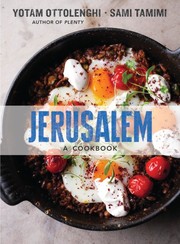
Ottolenghi's thorough explanations of ingredients like fava beans, lentils, and leafy greens (all central to Egyptian cooking) and his clear technique-first approach make this an ideal second read to sharpen intuition before tackling Egyptian recipes directly.
Into Egypt: The Essential Home Kitchen
BeginnerLearn the authentic recipes, techniques, and cultural stories behind Egypt's most iconic dishes, including koshari, ful medames, and molokhia, cooked the way Egyptian home cooks make them.
▸ Study plan for this stage
Pace: 4–5 weeks, ~20–25 pages/day, with 2–3 cooking sessions per week
- The role of family oral tradition and generational knowledge in Egyptian home cooking
- Core flavor profiles and essential spices in Egyptian cuisine (cumin, coriander, garlic, chili)
- Authentic techniques for preparing iconic dishes like koshari, ful medames, and molokhia from scratch
- The cultural and historical significance of specific dishes within Egyptian daily life and celebrations
- How to adapt traditional recipes while respecting their authenticity and cultural roots
- The importance of ingredient quality and sourcing in Egyptian cooking
- Seasonal and regional variations in Egyptian home cooking practices
- What are the key flavor-building techniques that Magda Mehdawy emphasizes in her grandmother's approach to Egyptian cooking?
- How do the recipes and stories in this book reflect the role of women and family in preserving Egyptian culinary traditions?
- What are the essential ingredients and spices that appear repeatedly across the iconic dishes presented, and why are they central to Egyptian flavor?
- How would you explain the difference between how koshari, ful medames, and molokhia are traditionally prepared versus common shortcuts, and why does the method matter?
- What cultural or historical context does Mehdawy provide for the dishes you've learned, and how does this context deepen your understanding of the food?
- Cook ful medames from dried fava beans (not canned) following Mehdawy's method; document the texture, flavor, and time required versus shortcuts
- Prepare koshari with homemade tomato sauce and lentils; taste and compare to restaurant versions to identify what authentic home cooking prioritizes
- Make molokhia from fresh or frozen leaves (not powder) and practice the traditional stirring technique; note how texture and flavor differ from commercial versions
- Prepare a simple Egyptian spice blend (cumin, coriander, garlic, chili) and use it across 2–3 different dishes to understand how these flavors anchor the cuisine
- Cook one complete Egyptian meal (e.g., ful medames, koshari, and a simple salad) for family or friends; reflect on the techniques and timing required
- Interview a family member or friend about a traditional dish from their culture; compare the role of oral tradition and family knowledge to what Mehdawy describes
Next up: Mastering these foundational recipes and understanding the cultural narratives behind them will prepare you to explore regional variations, advanced techniques, and the broader historical evolution of Egyptian cuisine in the next stage.
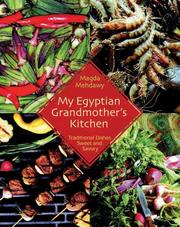
Mehdawy's companion volume goes deeper into the generational, family-style cooking traditions of Egypt, reinforcing the recipes from the previous book with rich cultural context and regional variation that sharpens your understanding of why dishes are made the way they are.
The Wider Nile Table: Arab & North African Context
IntermediateUnderstand how Egyptian cuisine sits within and diverges from the broader Arab and North African culinary world, enriching your ability to adapt and improvise Egyptian recipes.
▸ Study plan for this stage
Pace: 6–8 weeks, ~40–50 pages/day, with 2–3 days per week dedicated to recipe testing and comparative cooking
- The shared spice palette and flavor profiles across the Levant, North Africa, and Egypt (cumin, coriander, cinnamon, sumac, za'atar)
- How staple ingredients—wheat, legumes, olive oil, dates, pomegranate—create both unity and regional variation in Arab and North African cooking
- The role of historical trade routes and cultural exchange in shaping Egyptian cuisine relative to Moroccan, Tunisian, Lebanese, and Palestinian traditions
- Technique parallels: slow-cooking stews (tagines, koftas), bread-making traditions, and preservation methods across the region
- How Egyptian recipes adapt or diverge from broader Arab/North African templates (e.g., Egyptian koshari vs. Lebanese rice dishes; Egyptian ful vs. Moroccan bean preparations)
- The influence of geography and climate on ingredient availability and cooking methods in Egypt versus coastal and mountain regions
- How to recognize and apply regional substitutions and improvisations when adapting recipes across the Arab and North African culinary world
- What are the core spices and aromatics that define Arab and North African cooking, and how does Egypt's use of these differ from Lebanon, Morocco, or Tunisia?
- How do Claudia Roden and Tess Mallos explain the historical and geographical reasons for similarities and differences between Egyptian and other Arab/North African cuisines?
- Can you identify at least three Egyptian dishes and trace their connections to (or divergences from) similar dishes in other Arab or North African countries?
- What are the key differences in cooking techniques between Egyptian slow-cooked stews and North African tagines, and when would you use each approach?
- How would you adapt a Lebanese or Moroccan recipe to Egyptian tastes and available ingredients, and vice versa?
- What role do bread, legumes, and preserved ingredients play in creating both unity and regional identity across the Arab and North African table?
- Read Roden's introduction and regional overview sections (Levant, North Africa, Egypt) side-by-side; create a comparison chart of spices, staples, and cooking methods for each region
- Cook three versions of a similar dish from different regions (e.g., Egyptian ful medames, Lebanese hummus, Moroccan fava bean tagine) and document flavor, texture, and technique differences
- Select one Egyptian recipe from your earlier studies and find a comparable dish in Roden or Mallos from another Arab/North African country; cook both and analyze what changed and why
- Prepare a North African tagine (from Mallos) and an Egyptian stew side-by-side, noting differences in spicing, cooking time, and ingredient ratios; write a brief reflection on how climate and geography shaped each
- Create a 'substitution guide' by cross-referencing Roden and Mallos: for 10 key Egyptian ingredients or dishes, list North African or Levantine alternatives and when each would be appropriate
- Host a tasting meal featuring one Egyptian dish, one Lebanese dish, and one Moroccan or Tunisian dish; invite others to identify similarities and differences in flavor and technique
Next up: This stage equips you with a mental map of how Egyptian cuisine relates to its regional neighbors, enabling the next stage to focus on how Egyptian cooking has evolved through modern innovation, diaspora, and contemporary reinterpretation while maintaining its cultural roots.
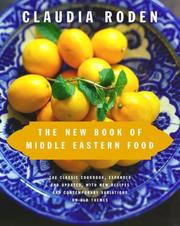
Claudia Roden, herself of Egyptian-Jewish heritage, is the definitive Western authority on this cuisine; her landmark work is filled with Egyptian recipes and personal memory, and reading it at this stage reveals the historical and diaspora dimensions of the food you've already started cooking.
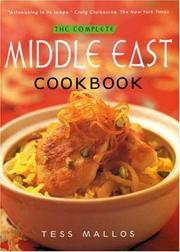
A thorough country-by-country reference that lets you compare Egypt's dishes — its lentil soups, bean stews, and rice dishes — against neighboring cuisines, building the comparative knowledge that separates a competent cook from a deeply informed one.
Deep Mastery: History, Ingredients & the Food of the Nile
ExpertAchieve a scholarly and sensory mastery of Egyptian food culture, its ancient roots, its street food economy, and the agricultural bounty of the Nile Delta that defines its ingredients.
▸ Study plan for this stage
Pace: 8–10 weeks, ~40–50 pages/day, with 2–3 days per week dedicated to ingredient research, market visits, and cooking practice
- The Nile Delta as the agricultural and cultural foundation of Egyptian cuisine, and how seasonal flooding historically shaped ingredient availability and food preservation techniques
- The layered history of Egyptian food: Pharaonic, Islamic, Ottoman, and colonial influences, and how each era left distinct culinary signatures
- The role of bread, legumes, and vegetables as nutritional anchors in Egyptian diet across social classes, and the symbolic and practical importance of these staples
- Street food and home cooking as expressions of Egyptian identity and community, including the economics and social rituals of informal food vending
- The sensory and aromatic profile of Egyptian cuisine: the use of spices (cumin, coriander, fenugreek), herbs (mint, parsley, dill), and cooking methods (slow-braising, grilling, fermentation)
- Food as a marker of religious practice and seasonal celebration in Islamic Egypt, including fasting traditions and feast foods
- The distinction between peasant/fellahin food and elite Ottoman-influenced cuisine, and how Claudia Roden bridges these traditions
- Ingredient sourcing and substitution: understanding authentic Egyptian ingredients and how to adapt recipes using available alternatives
- How did the annual flooding cycle of the Nile shape both the ingredients available to Egyptian cooks and the food preservation and storage methods they developed?
- Trace the major historical influences on Egyptian cuisine (Pharaonic, Islamic, Ottoman, colonial) and identify at least one signature dish or ingredient associated with each period.
- What role do bread, legumes, and vegetables play in Egyptian food culture, and how do these staples differ in preparation and significance between working-class and elite households?
- Describe the ecosystem of Egyptian street food: what foods are sold, who sells them, who buys them, and what social or economic functions they serve beyond nutrition.
- What are the core aromatic and flavor profiles of Egyptian cooking, and which spices, herbs, and cooking techniques create these distinctive tastes?
- How do Islamic religious practices (fasting, feast days, dietary laws) shape the Egyptian food calendar and the structure of meals throughout the year?
- Using specific examples from Roden's recipes and narratives, explain how she documents and honors both peasant and urban/elite Egyptian food traditions.
- Create a detailed timeline of Egyptian culinary history (Pharaonic through modern era) using evidence from Heine's text, noting which ingredients, techniques, and dishes emerged in each period and why.
- Map the Nile Delta agricultural calendar: research and document which crops grow in which seasons, then cross-reference with Heine's descriptions of seasonal Egyptian meals to understand the direct connection between geography and diet.
- Visit a Middle Eastern or Egyptian market (or research one online with photos/videos) and identify 10–15 authentic Egyptian ingredients; for each, note its use in Egyptian cooking, its flavor profile, and any historical or cultural significance mentioned in the texts.
- Cook 4–5 recipes from Roden's 'Arabesque' that represent different categories (bread, vegetable dish, legume dish, meat dish, and one street food or snack), documenting your process, ingredient sourcing challenges, and sensory observations (aroma, texture, taste) in a cooking journal.
- Conduct a comparative tasting: prepare two versions of a single dish (e.g., koshari or ful medames)—one using Roden's recipe and one using a street vendor's or family recipe you find online—and analyze the differences in technique, ingredient ratios, and flavor, noting what these reveal about class or regional variation.
- Interview or research an Egyptian cook, food vendor, or food writer (via video, podcast, or article) and document their perspective on the role of food in Egyptian identity, street food culture, or family tradition; synthesize this with Heine and Roden's accounts.
Next up: This stage establishes the historical, agricultural, and cultural foundations of Egyptian cuisine and builds hands-on familiarity with its core ingredients and techniques, preparing you to explore regional variations, modern innovations, and the intersection of Egyptian food with contemporary global food systems in the next stage.
This academic but readable text places Egyptian food within its deep historical and anthropological context — from pharaonic grain culture to modern street food — giving advanced learners the intellectual framework to understand why koshari and ful medames are not just recipes but cultural monuments.
Roden's focused exploration of Morocco, Turkey, and Lebanon (with Egyptian cross-references throughout) is ideal at this advanced stage to sharpen your palate for subtle regional distinctions and elevate your cooking from authentic to truly nuanced.
Discussion
Keep reading
Paths that share books, cover the same subject, or open a related topic.