Best books to learn Hawaiian cooking
This curriculum takes you from the cultural and historical roots of Hawaiian cuisine through its iconic dishes — poke, kalua pig, plate lunch — and into its rich fusion traditions shaped by Native Hawaiian, Asian, and Pacific influences. Each stage builds on the last: you'll first develop cultural fluency and foundational technique, then master specific dishes and regional styles, and finally explore the creative fusion cooking that defines modern Hawaiʻi.
Foundations: Culture, History & the Hawaiian Table
BeginnerUnderstand the cultural context, key ingredients, and historical forces — Native Hawaiian, Japanese, Chinese, Filipino, Portuguese — that shaped Hawaiian cuisine before picking up a spatula.
▸ Study plan for this stage
Pace: 4–5 weeks, ~40–50 pages/day (approximately 250–300 pages total)
- Native Hawaiian foodways before Western contact: taro, sweet potato, coconut, and the ahupua'a system of land management
- The role of plantation agriculture and labor migration in transforming Hawaiian cuisine (Chinese, Japanese, Filipino, Portuguese, and other immigrant communities)
- Key immigrant culinary traditions and how they merged with Hawaiian ingredients and techniques
- The concept of 'local food' as a distinct Hawaiian-American cuisine born from multicultural plantation communities
- How geography, trade routes, and colonial history shaped ingredient availability and cooking methods
- The cultural significance of food in Hawaiian identity and community, beyond mere sustenance
- What were the staple foods and agricultural systems of Native Hawaiians before Western contact, and how did the ahupua'a system work?
- How did the plantation era fundamentally change Hawaiian foodways, and what role did immigrant labor play?
- Which immigrant groups (Chinese, Japanese, Filipino, Portuguese) had the most significant impact on Hawaiian cuisine, and what dishes or techniques did each contribute?
- What is 'local food' in Hawaii, and how does it differ from both traditional Hawaiian and mainland American cuisine?
- How did the introduction of new ingredients (rice, soy sauce, canned goods, etc.) reshape what Hawaiians ate and cooked?
- Why is understanding the cultural and historical context of Hawaiian food important before learning to cook it?
- Create a timeline of Hawaiian food history from pre-contact Native Hawaiian era through the plantation period, marking key events, immigrant arrivals, and ingredient introductions
- Research and document one immigrant group's (Chinese, Japanese, Filipino, or Portuguese) culinary contributions to Hawaii; find 2–3 specific dishes that show fusion with Hawaiian ingredients
- Visit a local Hawaiian or 'local food' restaurant (or explore menus online) and identify dishes that reflect the multicultural heritage discussed in Laudan; note which ingredients and techniques come from which cultures
- Map out the ahupua'a system: draw or describe how a traditional Hawaiian ahupua'a was organized and what foods came from each zone (mountain to ocean)
- Conduct a pantry audit: identify which ingredients in your kitchen have Hawaiian, Asian, or Portuguese origins, and research how they arrived in Hawaii
- Write a 1–2 page reflection on how colonial history and labor migration shaped your own food culture or a cuisine you eat regularly
Next up: This foundation in Hawaiian culinary history and cultural context equips you with the 'why' behind the ingredients and techniques you'll learn to use in the next stage, ensuring that cooking Hawaiian food becomes an act of cultural understanding rather than mere recipe-following.
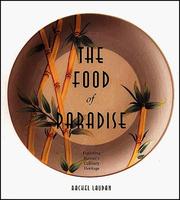
A scholarly yet accessible exploration of how Hawaii's multicultural immigrant waves created a unique food culture. Reading this first gives you the 'why' behind every dish you'll cook later.
The Classics: Poke, Kalua & Plate Lunch
BeginnerLearn to make Hawaii's most iconic dishes from scratch — poke bowls, kalua pig, loco moco, macaroni salad, and the full plate lunch spread — with confidence and authenticity.
▸ Study plan for this stage
Pace: 4–5 weeks, ~20–25 pages/day, with 2–3 cooking sessions per week
- Poke fundamentals: fish selection, cutting techniques, and marinades that define Hawaiian poke culture
- The role of soy sauce, sesame oil, and umami-forward flavor profiles in authentic poke
- Variations across poke styles: ahi, tako, salmon, and vegetarian adaptations with regional differences
- Balancing acid, salt, and fat in poke marinades for depth and complexity
- Pairing poke with rice, vegetables, and garnishes to build complete bowls and plates
- Sourcing and handling sushi-grade fish safely at home
- The cultural significance of poke as both everyday food and celebration dish in Hawaiian cuisine
- What are the key characteristics of sushi-grade fish, and how do you select and store it safely for poke?
- How do the core marinade ingredients (soy, sesame oil, etc.) work together to create authentic poke flavor, and what happens when you adjust the ratios?
- What are the main poke variations in Martha Cheng's cookbook, and what distinguishes each style?
- How do you cut fish for poke, and why does the cut size and angle matter for texture and marinating?
- What are effective ways to build a poke bowl that balances flavor, texture, and nutrition?
- How does poke fit into the broader Hawaiian plate lunch tradition, and what other dishes complement it?
- Make a basic ahi poke using Martha Cheng's foundational recipe; taste and adjust marinade balance (acid, salt, umami) to your preference
- Practice fish-cutting technique with a block of sushi-grade ahi; aim for consistent cube sizes and clean cuts
- Prepare 3 different poke marinades from the cookbook (e.g., traditional soy-based, spicy, citrus-forward) and compare flavor profiles side-by-side
- Build 2–3 complete poke bowls with different rice bases, vegetables, and toppings; photograph and evaluate visual appeal and flavor harmony
- Source sushi-grade fish from a local fishmonger or market; ask about origin, freshness indicators, and storage; prepare one poke recipe the same day
- Experiment with one non-traditional poke variation from the book (e.g., salmon, tako, or vegetarian); document how texture and flavor differ from classic ahi
- Host a casual poke tasting with friends or family using 2–3 recipes from the cookbook; gather feedback on flavor balance and presentation
Next up: This stage builds your confidence with poke—the most iconic Hawaiian raw fish dish—preparing you to expand into the cooked classics (kalua pig, loco moco, macaroni salad) and understand how poke anchors the complete Hawaiian plate lunch tradition.
The most celebrated modern introduction to Hawaiian home cooking, with authoritative recipes for poke, kalua pig, spam musubi, and plate lunch staples. Its clear instructions make it ideal at this stage.

A focused, deep dive into poke — its history, fish selection, marinades, and variations from classic shoyu ahi to contemporary styles. Read after Aloha Kitchen so you already have the flavor vocabulary.
Going Deeper: Regional & Community Traditions
IntermediateExplore the distinct cooking traditions of Hawaii's ethnic communities — Japanese bento culture, Filipino adobo, Portuguese sweet bread, Chinese char siu — and how they became 'local food.'
▸ Study plan for this stage
Pace: 4–5 weeks, ~25–30 pages/day, with 2–3 days per week dedicated to hands-on cooking practice
- How Japanese, Filipino, Portuguese, and Chinese immigrant communities shaped Hawaii's food identity through bento, adobo, sweet bread, and char siu traditions
- The concept of 'local food' as a fusion of immigrant culinary heritage with Hawaiian ingredients and plantation-era resourcefulness
- Regional variations in local dishes across the Hawaiian islands and how geography influenced ingredient availability and cooking methods
- The role of family, community, and cultural pride in preserving and evolving ethnic cooking traditions in Hawaii
- How colonial labor systems and economic conditions created the conditions for culinary cross-pollination and the development of plate lunch culture
- Ingredient substitutions and adaptations: how immigrant cooks worked with what was available in Hawaii versus their homelands
- What are the defining characteristics of Japanese bento culture in Hawaii, and how does it differ from bento traditions in Japan?
- How did Filipino adobo become a cornerstone of local Hawaiian food, and what role did the Filipino community play in plantation-era cooking?
- What is the significance of Portuguese sweet bread (pão doce) in Hawaiian food culture, and how did Portuguese immigrants influence local baking traditions?
- How did Chinese char siu and other Chinese cooking techniques become integrated into Hawaii's local food identity?
- What does 'local food' mean in the Hawaiian context, and how is it distinct from the cuisines of the immigrant communities that created it?
- How do regional differences across the Hawaiian islands reflect variations in local cooking traditions and ingredient availability?
- Prepare a traditional Japanese bento box using Hee's recipes, paying attention to balance, color, and portion control; document how the components reflect both Japanese and Hawaiian influences
- Cook a Filipino adobo dish from the book and research the history of Filipino plantation workers; compare your version to a traditional Filipino recipe to identify local adaptations
- Bake Portuguese sweet bread (pão doce) following Hee's recipe and interview a local Hawaiian family (or research online) about their family's version and memories associated with the bread
- Prepare Chinese char siu using the book's method and explore how the recipe reflects both Cantonese technique and Hawaii's available ingredients
- Create a 'plate lunch' meal combining dishes from at least three different ethnic traditions covered in the book; reflect on how these dishes work together and what makes them distinctly 'local'
- Map out the regional variations of a single local dish (e.g., adobo or bento) across different Hawaiian islands using Hee's regional notes; document how geography and community demographics shaped each version
Next up: This stage grounds you in the specific ethnic and community roots of local Hawaiian food, preparing you to explore how these traditions continue to evolve in contemporary Hawaiian cuisine and how modern chefs are reinterpreting 'local food' through a lens of cultural pride and sustainability.
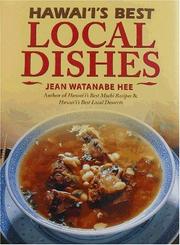
A practical companion volume covering the full range of beloved local recipes — saimin, haupia, malasadas — building your repertoire dish by dish with cultural notes throughout.
Advanced: Fusion, Fine Dining & Hawaii Regional Cuisine
ExpertMaster the creative fusion cooking movement that put Hawaii on the global culinary map — understanding how chefs like Roy Yamaguchi and Alan Wong blended European technique with Pacific and Asian ingredients.
▸ Study plan for this stage
Pace: 4–5 weeks, ~25–30 pages/day, with 2–3 days per week reserved for hands-on cooking practice
- Alan Wong's philosophy of Hawaii Regional Cuisine: blending European classical technique with Pacific seafood, Asian ingredients, and Hawaiian cultural traditions
- Deconstruction and reinterpretation of traditional Hawaiian dishes using modern plating, flavor layering, and unexpected ingredient pairings
- The role of local sourcing and seasonal availability in shaping menu development and creative decision-making
- Sauce construction and flavor balance: how to build complexity using Asian aromatics, citrus, and umami-rich components
- Plate composition and visual storytelling: translating culinary narrative into presentation
- Technique mastery across proteins (fish, pork, chicken) and the importance of respecting ingredient quality
- The 'New Wave Luau' concept: modernizing traditional Hawaiian hospitality and communal dining through fine dining execution
- What are the core principles of Alan Wong's approach to Hawaii Regional Cuisine, and how does he balance respect for Hawaiian tradition with European fine dining technique?
- How does Wong use local and Asian ingredients to create flavor profiles that are distinctly Hawaiian yet globally sophisticated?
- Describe the process Wong uses to deconstruct a traditional Hawaiian dish and reimagine it for a contemporary fine dining context.
- What role does sourcing and seasonality play in Wong's menu development, and how does this constraint become a creative advantage?
- How does Wong approach sauce construction and flavor layering to achieve complexity without overwhelming the primary ingredient?
- What is the significance of the 'New Wave Luau' concept, and how does it redefine Hawaiian hospitality for a modern audience?
- Select one traditional Hawaiian dish from the book and create a detailed deconstruction plan: identify the core flavors, then propose 3 modern reinterpretations using European technique, Asian ingredients, or unexpected plating approaches
- Prepare 2–3 recipes directly from 'Alan Wong's New Wave Luau,' focusing on sauce construction and plate composition; photograph and journal your process, noting where technique choices align with Wong's philosophy
- Conduct a local ingredient audit: visit farmers markets or specialty grocers and identify 5–7 Pacific and Asian ingredients Wong features; research their seasonal availability and brainstorm 2 dishes that could showcase them
- Practice a core technique from the book (e.g., fish fabrication, sauce emulsification, or plating precision) 3–4 times, documenting refinement across attempts
- Host a small 'New Wave Luau' tasting menu (4–5 courses) for friends, incorporating at least 2 recipes from the book and 1 original dish inspired by Wong's principles; solicit feedback on flavor balance and presentation
- Write a 500-word analysis comparing a traditional Hawaiian dish with Wong's reinterpreted version from the book: what was preserved, what was transformed, and why those choices matter culturally and culinarily
Next up: This stage establishes the foundational philosophy and techniques of Hawaii Regional Cuisine through Wong's lens, preparing you to explore how other pioneering chefs (such as Roy Yamaguchi and emerging voices) have further evolved fusion cooking and to understand the broader movement's impact on Pacific and Asian fine dining globally.
Roy Yamaguchi is the founding father of Hawaii Regional Cuisine. This book reveals his Euro-Asian fusion philosophy and advanced seafood techniques, essential for understanding modern Hawaiian fine dining.
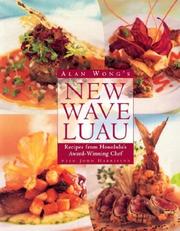
Wong's landmark cookbook showcases the inventive, ingredient-driven cooking that redefined Hawaiian cuisine in the 1990s and beyond — a capstone read that synthesizes everything learned in earlier stages.
Discussion
Keep reading
Paths that share books, cover the same subject, or open a related topic.