Nose-to-Tail Cooking: The Best Books to Read, in Order
Nose-to-tail cooking is a practical discipline before it is an argument: it means learning to cook the four-fifths of an animal that supermarkets do not sell, which in practice means offal, bone, fat, skin, blood and the muscles that need six hours rather than six minutes. This path starts with the two books that named the idea, moves to the ingredient-by-ingredient manuals that teach the actual handling, then to butchery and sourcing — because you cannot cook a trotter you cannot buy — and ends with preservation and the ethical case. Expect real kitchen work rather than reading: every book here assumes you have a heavy pan, a butcher you can talk to, and a tolerance for things that look like what they are. One buying note: Fergus Henderson's two books are also sold bound together as a single omnibus, so do not buy both the omnibus and the volumes listed here.
The Founding Texts
IntermediateLearn the argument and the core repertoire — marrow, tongue, trotter, tripe — from the books that made whole-animal cooking a movement rather than a survival strategy.
▸ Study plan for this stage
Pace: Three to four weeks, and only about 680 pages, because the reading is not the work. Henderson's The Whole Beast is 202 pages, Beyond Nose to Tail 288, and Helou's Offal 192. Read The Whole Beast in an evening - it is short and its recipes are famously terse, which is deliberate rather than careless:
- The founding argument itself: that using the whole animal is the honest way to eat meat, and that the discarded parts are where the flavour is
- Why Henderson's recipes are short - salt, fat, time and a heavy pan, with seasoning judged rather than weighed
- The offal categories and how differently they behave: liver and kidney cook in minutes, tongue and tail want hours, and confusing the two ruins both
- Soaking, blanching, membrane removal and trimming - the preparation steps that decide whether offal tastes of iron or of meat
- Bone marrow and parsley salad as the dish that made the restaurant, and the principle behind it: one rich element, one sharp element, bread
- That Henderson cooks essentially one cuisine, and that Helou's international range is the corrective to reading British offal cookery as the whole subject
- The gap between Beyond Nose to Tail and the first book - longer method, baking, preserving, puddings - and why the sequel is in practice the more useful kitchen book
- What does Henderson assume the cook already knows, and how would you fill each of those gaps from Helou?
- Which organs need soaking or blanching before cooking, and what is each step removing?
- Why does a terse recipe work for this material when it would fail for baking?
- Helou and Henderson both cook liver. Compare their methods - what is each one protecting against?
- What is actually different about Beyond Nose to Tail, beyond it being longer?
- Cook the roast bone marrow with parsley salad from The Whole Beast as your first dish, exactly as written, changing nothing. It is the dish the restaurant is known for, it is close to unfailable, and cooking it teaches the whole argument in forty minutes.
- Cook one liver dish from Henderson and the equivalent from Helou's Offal in the same week, and write down which you preferred and why. The two books disagree about how far to go with acid and spice, and the disagreement is the reason both are here.
- Take one terse Henderson recipe and write out the version he did not write - every quantity, temperature and time you actually used. Cook it again a fortnight later from your own notes and see whether they were sufficient. This is how you learn what his omissions assume.
- Work through Helou's chapter on one organ you have never cooked - tripe and brain are the usual candidates - reading the whole chapter before shopping, so that you buy the right thing and know what to do about the membrane before you get it home.
Next up: Henderson gives you the attitude and Helou the range; the next stage supplies the reason each of these ingredients behaves the way it does, which is what lets you cook them without a recipe.
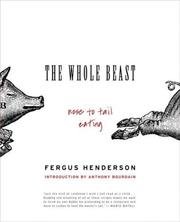
The founding book, from the St. John restaurant in London, and the source of the phrase itself. Published in Britain as Nose to Tail Eating, which is a separate edition of the same text — buy one. The recipes are famously terse, which is deliberate: they assume you will taste and adjust rather than measure.
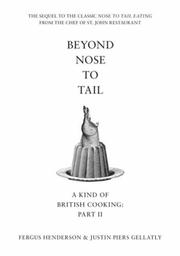
The sequel, written with Justin Piers Gellatly, and in practice the more useful kitchen book of the two — longer method, more baking and preserving, and the puddings the first book skipped. Read it second because it assumes the first book's attitude to seasoning and time.

The reference the two Henderson books are not: organ by organ, with technique and international recipes from the Middle East, North Africa and the Mediterranean. It fills the biggest gap in the founding texts, which is that Henderson cooks one cuisine.
The Ingredients Most Cooks Skip
IntermediateWork through the specific materials — odd cuts, bone and marrow, animal fat — with a cook who explains what each one actually does.
▸ Study plan for this stage
Pace: Four to six weeks, most of it at the stove. McLagan's Odd Bits is 248 pages and Bones is 257; our record for Fat carries no page count, and it is the shortest working stage of the three in practice. Read Odd Bits first even though Bones was published earlier: it goes organ by organ - liver, heart, k
- Muscle structure and connective tissue: why collagen-rich cuts need long moist heat and why the same treatment destroys liver
- The offal taxonomy McLagan works to - organs, extremities, blood and glands - and the different handling each category demands
- Gelatin as the thing you are extracting from bones, and the difference between a stock that sets and one that does not
- Roasting bones before simmering, and what that changes in flavour terms rather than colour terms
- Rendering: the temperature at which fat clarifies rather than fries, and the distinction between lard, leaf lard, suet and dripping
- Confit as preservation before it was a texture, and why cooking in fat is not frying
- The argument that runs across all three books - that the flavourful parts of an animal are exactly the ones the supermarket does not sell, and that they are cheap for that reason
- Why can a tongue take six hours and a liver be ruined in six minutes? Answer in terms of tissue rather than in terms of recipes.
- What makes a stock gel, and what would you change if yours did not?
- What is the difference between leaf lard and back fat, and what would you use each for?
- At what point does rendering fat go wrong, and what does it smell like when it does?
- McLagan wrote these three books as an argument. State the argument in one sentence, and say what it implies about how you shop.
- Make one stock from raw bones and one from roasted bones on the same day, from the same animal, and taste them side by side cold. Bones is built on this comparison and doing it once settles the question permanently.
- Cook the same organ two ways from Odd Bits - a quick-cooked and a long-cooked treatment of, say, heart - and record the texture of each. McLagan's chapters are organised to make exactly this comparison possible.
- Render a batch of leaf fat following Fat, strain it, and keep it. Then use it for one confit, one pastry and one fried potato, and note where it made a difference and where it did not.
- Take a Henderson recipe you cooked in stage one and reread it after finishing Odd Bits. Write down what you now understand about why it is written the way it is. Most readers find at least one instruction that was doing something they had not noticed.
- Buy an ox tail or a set of trotters, break the cooking into a two-day sequence following McLagan, and cost the finished dish per portion against the equivalent in prime cuts. The economics are part of the argument.
Next up: You can now cook these ingredients, which raises the practical problem the next stage solves: none of it works unless you can actually buy the parts, and that means understanding the carcass and the butcher.

The best single teaching book on this path: liver, heart, kidney, tongue, ears, tail, each with the reason it behaves the way it does before any recipe appears. Read it after Henderson and you will understand why his recipes are so short.
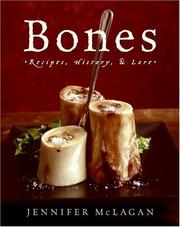
McLagan's first book, on stock, marrow and everything built from a skeleton. Read after Odd Bits even though it was published earlier — bone cookery is mostly a matter of time and patience, and it is easier once you have handled the softer offal.

Rendering, confit, lard, suet and dripping — the third of the trilogy and the one that changes how you cook everything else. It completes the argument that the discarded parts of an animal are the ones carrying the flavour.
Getting the Animal
BeginnerLearn butchery well enough to buy and break down primal cuts, and to have a useful conversation with a butcher about what you actually want.
▸ Study plan for this stage
Pace: Six to eight weeks for roughly 1,360 pages, and the stage where the subject stops being cooking. Fearnley-Whittingstall's The River Cottage Meat Book is 543 pages and is the general education - how animals are raised, how a carcass is broken down, what each cut is for - and it should be read first a
- The carcass map: primals, subprimals and retail cuts, and the fact that a cut's name is a commercial convention rather than an anatomical one
- Which muscles work hard and which do not, and why that single fact predicts the cooking method for every cut on the animal
- Seam butchery versus sawing through, and why following the muscle separations gives you better and more numerous cuts
- Hanging and dry aging: what enzymatic breakdown does to texture and flavour, and what the moisture loss costs you
- Food safety in whole-animal work - chilling rates, cross-contamination, and the temperature windows Danforth is strict about
- The vocabulary of buying: what grass-fed, pasture-raised, heritage and dry-aged do and do not guarantee, and what to ask a farmer instead
- Buying a share of an animal - the economics, the freezer arithmetic, and the fact that a half pig is mostly not the cuts you imagined
- Name the primals of a pig and say which cooking method each subprimal wants, without looking.
- Why does seam butchery produce better cuts than cross-cutting, and what does it cost in time?
- What actually happens during dry aging, and how much weight does a side lose?
- Which of Danforth's food-safety rules would you break first under pressure, and what is the consequence?
- What three questions does Applestone say to ask a farmer, and what does each answer tell you?
- Break down one whole chicken and then one whole rabbit or lamb shoulder following Farr's photographic sequence, photographing your own results at each step and comparing them against his. Photographic butchery is the one subject where checking your work is trivial and instructive.
- Draw the carcass map from memory after reading The River Cottage Meat Book - pig, lamb and beef, primals labelled - then check it against the book's diagrams and redraw what you got wrong. Do this until it is right, because every conversation with a butcher afterwards depends on it.
- Take Applestone's questions to an actual butcher or farmer and write down the answers verbatim. Then decide, on the evidence, whether you would buy from them. This is the exercise that turns the previous two stages into a supply.
- Cost out a share purchase: get an actual price for a half pig or a quarter beef, list what cuts it would yield from the carcass map, and work out the price per kilogram against what you currently pay. Then check whether you have the freezer space, which is the constraint most people discover afterwards.
- Read Danforth's chilling and aging chapters and write down the temperature and time windows as a single card you can pin up. If you are ever handling a whole animal, that card is the part of this stage that matters most.
Next up: Once you can buy a whole animal you have more meat than you can eat in a week, which is the problem preservation solves - and the point at which the argument behind all of this deserves testing.
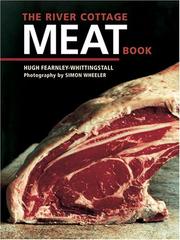
The best general education in meat there is: how animals are raised, how carcasses are broken down, what each cut is for. Read it before the technical butchery manuals — it explains the map that they assume.

Step-by-step photographic butchery of pig, lamb and beef. This is the book to work from with a knife in your hand; it is a manual rather than a read, and it is the point where the subject stops being cooking.

Danforth goes further back than Farr — slaughter, chilling and aging as well as breaking down — and is the more rigorous of the two on food safety. Take it up if you are working with whole or half animals rather than primals.

From the Fleisher's shop, and the most practical book here on the sourcing problem: what to ask a farmer, what the labels mean, and how to buy a share of an animal. The bridge between the butchery manuals and a real supply.
Preserving, and the Case for Doing Any of This
BeginnerLearn charcuterie and long preservation — the historical reason whole-animal cooking existed — and read the ethical argument on its own terms.
▸ Study plan for this stage
Pace: Six weeks or more, because curing runs on its own calendar. Ruhlman and Polcyn's Charcuterie is 320 pages and is the standard English-language text on salting, curing, sausage and terrine - read the opening chapters on salt, cure and safety before making anything, and treat the rest as a reference t
- Salt as the fundamental preservative and the difference between salting, curing, brining and dry-curing
- Nitrite and nitrate in curing: what they do, what they prevent, and why Ruhlman is precise about quantities where Henderson is casual about everything
- The forcemeat family - sausage, pate, terrine, rillette - as variations on the same ratio of meat, fat, salt and temperature
- Temperature control during grinding and mixing, and why a warm forcemeat breaks
- Bertolli's account of dry-curing whole muscle: humidity, airflow, weight loss as the measure of doneness, and the patience the process demands
- That whole-animal cooking generates a preservation problem by arithmetic, not by preference
- Gray's position: she is a participant and an advocate rather than a neutral reporter, she does the killing herself, and the book is neither a conversion narrative nor a defence of the practice
- What the whole path has been arguing, and what it would take to conclude it is wrong
- What does nitrite prevent, and what is the actual risk if you leave it out of a dry-cured product?
- Why does a forcemeat break, and what are the three things you check when it does?
- How does Bertolli decide a whole-muscle cure is finished, and why is time a poor proxy?
- Joe Beef is a restaurant book rather than a manual. What does it get across that Ruhlman's precision cannot?
- Gray killed the animals she ate for a year. What did that change in her conclusions, and would it change yours?
- Make one fresh sausage from Charcuterie, weighing salt as a percentage of meat weight and keeping everything cold, and record the ratio and the temperature at every stage. Then make it again with a deliberate change to one variable - a warmer mix, or less salt - and taste the two. Sausage is the fastest feedback loop in curing.
- Follow one Bertolli dry-cure through to completion, weighing the muscle at the start and weekly thereafter, and stop when the weight loss rather than the calendar says to. Keep the log; it is the record that makes the second attempt better.
- Cook one thing from Joe Beef in the same week you cook one thing from Bertolli, and write half a page on how differently the two books talk to a cook. They are opposite arguments about how much a recipe should say.
- Read The Ethical Carnivore and then write a page answering its question for yourself: what would you have to be willing to do for the argument in stage one to hold. Everything else on this path is technique; this is the only exercise that tests the premise.
- Cost and account for one whole animal end to end, if you have got that far: what you cooked fresh, what you cured, what you rendered, what you threw away. The percentage in the last column is the honest measure of whether you are actually cooking nose to tail.
Next up: This is the last stage, and it closes the path deliberately with the one book that questions rather than teaches - having learned to use the whole animal, you finish by deciding whether the argument for doing so survives contact with the killing.
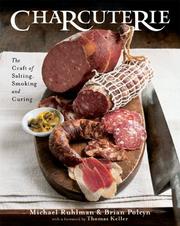
The standard English-language text on salting, curing, sausage and terrine, written with Brian Polcyn. Whole-animal cooking without preservation leaves you with more meat than you can eat, which is what this book solves.
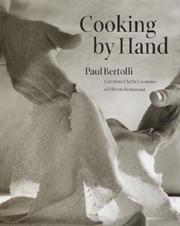
Harder and better than Ruhlman on the same ground — Bertolli's salumi chapters are as close to a theory of curing as the English literature has. Read it second; it assumes you have already made a sausage that failed.

The Quebecois version, from the Montreal restaurant, and a genuine outlier — anarchic, funny, and serious about marrow, smoked meat and the whole animal underneath the jokes. The most enjoyable book on this path and the least like a manual.

A journalist spends a year eating only animals she killed herself, and it is neither a conversion narrative nor a defence. The right closing book: everything above assumes that using the whole animal is the honest way to eat meat, and this one actually tests the claim.
Discussion
Keep reading
Paths that share books, cover the same subject, or open a related topic.