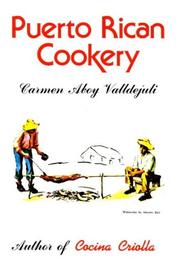
Start with Puerto Rican cookery. Carmen Aboy Valldejuli's book is the canonical text and the one to own; her Cocina Criolla, first published in 1954, is still the standard Spanish-language household reference on the island, and this is its English counterpart. Both resolve as separate records in our catalogue and you only need one of them. Then read Diasporican, which is the most important recent book on the subject and the best single modern purchase — rigorously researched, opinionated about authenticity, and honest that a Sacramento kitchen is not a Ponce one.
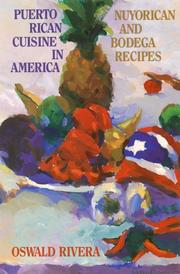
Before you buy anything, the pantry question, because it determines which of these books you can actually cook from. Puerto Rican cooking rests on a small set of building blocks: sofrito, adobo, sazón, achiote oil, green plantain and pork. Several of those are hard to assemble off the island. Recao, also called culantro, is not coriander and has no good substitute; ají dulce are not the same thing as any supermarket sweet pepper; gandules, yautía, batata and skin-on pork shoulder generally mean a Caribbean or Latin grocery or an online order. Valldejuli assumes an island pantry and mid-century island shopping and will not help you improvise. Puerto Rican cuisine in America is on this list precisely because Oswald Rivera writes the island repertoire for cooks shopping in mainland American supermarkets, with the substitutions worked out — if you are outside a Puerto Rican neighbourhood, that is the practical bridge.
One more catalogue note. This is a small English-language publishing niche, several newer titles do not resolve to a record here at all, and a few of the books below are filed under shortened or ampersand forms of their published titles. Puerto Rico sabor criollo is filed under its Spanish title, so check the language of the edition before ordering. Gran cocina latina has a Spanish title but is an English-language book.
The island canon
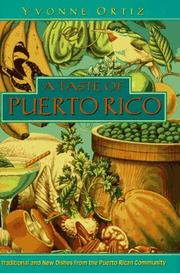
Puerto Rican cookery first, then A taste of Puerto Rico, which is the friendliest modern introduction to the same core repertoire — clearer headnotes, shorter ingredient lists, more explanation of technique. Cook from that one first if Valldejuli's terseness slows you down. Puerto Rican cuisine in America third, as the handover to the diaspora books.
The diaspora kitchen
Diasporican is Illyanna Maisonet's, from the first Puerto Rican food columnist at a major American paper, and it is where most readers of this list will actually cook. Coconuts & collards is the other half of the diaspora story: Von Diaz on a Puerto Rican childhood in Atlanta, where the island repertoire met the American South — warmer in tone, southern rather than northeastern, and published with the ampersand that our record preserves. DAISY COOKS!, catalogued in that shouting form, is Daisy Martinez writing Latin home cooking for weeknights with Puerto Rican dishes at its centre. It is the most approachable book here and it is broader than Puerto Rico alone, so use the index.
Restaurant cooking and the nueva cocina
Puerto Rico True Flavors is Wilo Benet's first book, from the chef of Pikayo in San Juan and the central figure in the island's modern restaurant cooking — the traditional repertoire executed with French training, and the clearest demonstration of where technique can and cannot improve on the home version. Puerto Rico sabor criollo is his later and more traditional collection, closer to the criollo canon than to his restaurant menus; between the two you can watch a chef argue with himself about his own cuisine. Puerto Rico, catalogued under that truncated title, is José Luis Díaz de Villegas's large illustrated survey of island cooking, restaurants and produce, useful mainly for the photography and for seeing dishes plated before you attempt them.
The region, and the history
Gran cocina latina is Maricel Presilla's James Beard-winning reference to the cooking of all Latin America, with a substantial Caribbean section; read it to see which Puerto Rican techniques are shared across the region and which are local, and note the sofrito chapter alone justifies the book's size. Islas is Von Diaz's second book, widening from Puerto Rico to island cooking across the Caribbean and beyond — the natural follow-up if the diaspora stage was the part that caught you. Eating Puerto Rico closes the path and is not a cookbook at all: a food historian's study of rice, beans, root vegetables, codfish and pork, and of how colonialism, sugar monoculture and mainland imports shaped island eating. It answers the question every earlier stage raises about why the staples are these staples. If the whole-pig side of this cooking is what draws you, see nose-to-tail cooking.
Follow the full ordered path here: Puerto Rican Cooking: The Best Books to Read First, in Order.
Ready to learn something deeply?
Build a reading path — free