Home Butchery: The Best Books on Cutting and Curing Meat
This curriculum starts at the intermediate level, assuming the learner already cooks confidently but has little formal butchery experience. The three stages move from foundational knife skills and animal anatomy, through hands-on whole-animal breakdown and charcuterie, to the advanced craft of sausage making and whole-animal cooking — each stage building the vocabulary, muscle memory, and culinary intuition needed for the next.
Foundations: Anatomy, Cuts & the Butcher's Mindset
BeginnerUnderstand primal and sub-primal cuts for beef, pork, and poultry; learn safe knife handling and the logic of breaking down an animal from large to small.
▸ Study plan for this stage
Pace: 8–10 weeks, ~25–30 pages/day, with 2–3 days per week dedicated to hands-on practice and knife skills drills
- Primal and sub-primal cuts: understanding the anatomical divisions of beef, pork, and poultry and how they relate to muscle groups and connective tissue
- The logic of breaking down: working from large to small, following the natural seams and joints rather than cutting against the grain
- Safe knife handling and grip: proper stance, claw grip, pinch grip, and how to maintain control and prevent injury during repetitive cutting
- The butcher's mindset: respecting the animal, minimizing waste, understanding how each cut serves a purpose in cooking, and developing spatial reasoning about three-dimensional anatomy
- Bone structure and connective tissue: recognizing joints, cartilage, and fascia to know where to cut versus where to follow natural separations
- Practical application across species: recognizing how the same anatomical principles apply to beef, pork, and poultry, with species-specific variations
- Tool selection and maintenance: understanding which knives and tools are appropriate for different cuts and how to keep them sharp and safe
- What are the eight primal cuts of beef, and which sub-primals come from each? How do these relate to the animal's movement and muscle use?
- Describe the proper claw grip and pinch grip for knife work. Why is each grip important, and when would you use one over the other?
- How does the logic of 'following the seams' differ from simply cutting through muscle? Why is this approach more efficient and respectful to the animal?
- What are the key anatomical differences between breaking down beef, pork, and poultry, and how do these differences affect your cutting strategy?
- Walk through the step-by-step process of breaking down a whole chicken or pork shoulder. At what points do you follow natural joints versus make deliberate cuts?
- How do you identify and work with connective tissue, cartilage, and fascia? What role do these structures play in determining where to cut?
- Practice knife grip and stance drills daily for 10–15 minutes: claw grip on a practice board, pinch grip with a dull knife, and basic rocking motions to build muscle memory before touching real meat
- Break down a whole chicken under supervision or with detailed photo/video reference, labeling each primal cut (breasts, thighs, drumsticks, wings) and identifying the joints and seams
- Break down a pork shoulder or Boston butt, following the natural seams to separate the blade, picnic, and arm sections; photograph each step and compare to book diagrams
- Break down a beef chuck or brisket section, identifying the seams between major muscle groups and practicing the transition from large cuts to smaller sub-primals
- Create a visual anatomy reference: draw or print diagrams of beef, pork, and poultry skeletons and muscle groups; label primal and sub-primal cuts on each, color-coding by cooking method (braise, roast, grind, etc.)
- Knife maintenance practice: learn to sharpen and hone your knives weekly using a steel and sharpening stone; practice on scrap meat to feel the difference between a sharp and dull blade
Next up: This foundation in anatomy, safe technique, and the logic of breaking down animals prepares you to move into the next stage—where you'll learn specialized cuts, value-added products (sausages, cured meats), and how to optimize yield and profitability from whole animals.

Written by a working butcher for home cooks, this is the most accessible entry point for someone at the intermediate cooking level — it demystifies whole-animal thinking and introduces every major cut with clear photography before you touch a knife.

Danforth's USDA-informed, step-by-step visual guide to beef is the definitive home reference for breaking down a side of beef; reading it second gives you the anatomical vocabulary to tackle the largest and most complex animal first.

The companion volume to his beef book, this covers the smaller animals in the same rigorous style — read it immediately after so the anatomical framework transfers and you can compare muscle groups across species.
Going Deeper: Whole-Animal Breakdown & Charcuterie
IntermediateExecute full primal breakdowns of pork and beef at home, understand curing and preservation, and begin producing basic charcuterie and cured meats.
▸ Study plan for this stage
Pace: 8–10 weeks, ~25–30 pages/day, with 1–2 weeks between books for practice
- Primal cuts and subprimal breakdown: identifying and separating muscle groups, connective tissue, and fat in whole pork and beef carcasses
- Muscle anatomy and function: understanding how an animal's movement determines meat texture, tenderness, and best cooking methods
- Curing fundamentals: salt ratios, nitrates/nitrites, equilibrium curing, and the chemistry of preservation and flavor development
- Charcuterie production: dry-curing, wet-curing, smoking, and fermentation techniques for bacon, pancetta, prosciutto, sausage, and pâté
- Food safety in home charcuterie: temperature control, humidity, mold management, and preventing botulism and spoilage
- Fat and gelatin management: rendering, emulsifying, and using collagen and fat to build flavor and texture in cured products
- Seasoning and curing salt calculations: precise measurement and understanding the role of salt in preservation and taste
- What are the primal cuts of pork and beef, and how do you systematically break down a whole animal into subprimal cuts at home?
- How does an animal's anatomy and movement affect the tenderness and flavor of different muscle groups, and which cuts are best for curing versus fresh cooking?
- What is equilibrium curing, how do you calculate salt ratios, and why is precision important in home charcuterie?
- What are the key differences between dry-curing, wet-curing, and fermented charcuterie, and when would you use each method?
- How do you manage temperature, humidity, and mold growth when curing and aging meat at home, and what are the critical food-safety thresholds?
- How do you make bacon, pancetta, prosciutto, and basic sausage from scratch, and what are the most common mistakes beginners make?
- Break down a whole pork shoulder or side into primal and subprimal cuts, identifying muscle groups, seams, and connective tissue; photograph and label each cut
- Break down a beef chuck or brisket into subprimal cuts, practicing knife skills and understanding the anatomy of a major muscle group
- Cure and dry a batch of bacon using equilibrium curing; track salt uptake, weight loss, and flavor development over 2–3 weeks
- Cure and age pancetta or guanciale (pork jowl) for 4–6 weeks, monitoring humidity and mold, and document the transformation
- Make a batch of fresh sausage (pork or beef) by grinding, mixing, and stuffing; taste and adjust seasoning to understand salt and spice balance
- Produce a simple dry-cured sausage (e.g., soppressata) and age it for 3–4 weeks; troubleshoot any mold or texture issues
- Render pork fat and make a simple pâté or terrine, practicing emulsification and gelatin use
- Cure a small batch of prosciutto-style ham or bresaola and age it for 6–8 weeks; document color, texture, and flavor changes weekly
Next up: This stage transforms you from a skilled butcher into a charcutier and preservationist, equipping you with the knowledge to age, cure, and ferment meat at scale—preparing you for advanced topics like whole-animal nose-to-tail utilization, advanced fermentation science, and commercial-grade curing and smoking techniques.
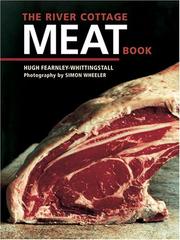
This landmark book bridges butchery and cooking philosophy — its deep sections on sourcing, slaughter, and every cut of every animal reinforce anatomy while connecting breakdown decisions directly to flavor and cooking method.
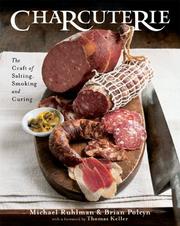
The canonical English-language introduction to curing, brining, and smoking; reading this after mastering breakdown ensures you understand what to do with every trim, offcut, and secondary muscle that butchery produces.
Mastery: Sausage, Whole-Animal Cooking & the Complete Craft
ExpertProduce a full range of fresh and cured sausages, cook whole animals and large primals with confidence, and integrate butchery, preservation, and cooking into a seamless whole-animal practice.
▸ Study plan for this stage
Pace: 12–14 weeks, ~25–30 pages/day, with 2–3 hands-on practice days per week interspersed throughout
- Whole-animal butchery: breaking down complete carcasses into primals, subprimals, and retail cuts with minimal waste and maximum yield
- Sausage production: formulation, grinding, stuffing, linking, and curing techniques for fresh, smoked, and dry-cured varieties
- Nose-to-tail cooking: utilizing every part of the animal (organs, bones, connective tissues) in intentional, delicious preparations
- Curing and preservation: salt ratios, nitrate/nitrite use, fermentation, smoking, and aging to extend shelf life and develop flavor
- Primal and subprimal cookery: understanding muscle groups, connective tissue composition, and how to select cooking methods (braising, roasting, grinding) based on anatomy
- Integration of craft: connecting butchery decisions to cooking outcomes and preservation methods in a coherent whole-animal system
- Offal mastery: confident preparation and cooking of liver, kidney, heart, tongue, tripe, and other organ meats
- How do you break down a whole beef or pork carcass into primals, and what are the key anatomical landmarks and cuts for each species?
- What are the differences between fresh, smoked, and dry-cured sausages in terms of formulation, curing time, and safety considerations?
- How do you calculate proper salt and curing salt ratios for sausage and cured meat, and why does this matter for both flavor and food safety?
- Which cuts and parts of an animal are best suited for grinding into sausage versus braising, roasting, or other cooking methods, and why?
- How do you prepare and cook offal (liver, kidney, heart, tripe) to make it tender, flavorful, and appealing rather than tough or unpalatable?
- What is the relationship between an animal's anatomy, the butchery cuts you make, and the cooking method you choose—and how does this inform a whole-animal practice?
- Break down a whole pork shoulder or lamb carcass into primals and subprimals, identifying key anatomical landmarks and documenting yield percentages
- Formulate and produce 3–4 different sausage styles (e.g., fresh pork, smoked beef, dry-cured salami) using proper salt ratios, grinding, stuffing, and linking techniques
- Cure and age a whole muscle (e.g., pancetta, bresaola) or dry sausage for 3–6 weeks, monitoring weight loss, mold development, and flavor evolution
- Prepare a complete nose-to-tail meal from a single animal (or large primal), incorporating at least one offal preparation (liver pâté, kidney stew, tripe) alongside muscle cuts
- Butcher a whole chicken or rabbit, then use every part: roast the breast, braise the thighs and legs, make stock from bones, and prepare liver and heart
- Cook and taste 5–6 different offal preparations (calf's liver, beef kidney, pork heart, beef tongue, tripe, sweetbreads) to develop confidence and palate
Next up: This stage transforms you from a skilled butcher into a complete whole-animal practitioner—ready to teach others, develop your own recipes and curing protocols, and potentially launch a small-scale charcuterie or butchery business grounded in deep anatomical and culinary knowledge.
Aidells is the authoritative American voice on sausage; this book covers fresh, smoked, and cured links across world traditions and is best read once you can break down a pork shoulder yourself and understand fat ratios from prior study.

Farr's large-format, photo-driven guide to breaking down beef, pork, and lamb is the most visually precise home-butchery manual available — at this stage it serves as a technical capstone, refining technique with professional-level detail.

Henderson's cult classic on nose-to-tail cooking is the philosophical and culinary endpoint of this curriculum — it teaches you to cook every part of every animal with respect and creativity, completing the journey from raw carcass to finished dish.
Discussion
Keep reading
Paths that share books, cover the same subject, or open a related topic.