Preserve the harvest: canning at home
This curriculum takes a beginner from zero knowledge of food preservation all the way to confident, science-backed mastery of water-bath canning, pressure canning, fermentation, dehydration, and curing. Each stage builds on the last: you first learn the "why" and safety rules, then practice core techniques, then expand into specialty and advanced methods, and finally study the underlying food science so you can adapt and troubleshoot anything.
Foundations & Safety
BeginnerUnderstand why food preservation works, what makes it safe, and get hands-on with the most beginner-friendly water-bath canning projects using tested recipes.
▸ Study plan for this stage
Pace: 3–4 weeks, ~20–25 pages/day — read the introductory and safety chapters first (roughly the first 40 pages), then work through the seasonal chapters at a relaxed pace, pausing to cook/can alongside the text rather than racing through it.
- The science of spoilage: how bacteria, molds, yeasts, and enzymes cause food to deteriorate and why controlling them is the foundation of all preservation
- Water-bath canning vs. pressure canning: Krissoff's book focuses on high-acid foods suited to water-bath canning — understanding WHY acidity (pH below 4.6) makes this method safe is critical
- The role of acid, sugar, and salt as preserving agents, and how each one creates an environment hostile to pathogens like Clostridium botulinum
- Headspace, seals, and the vacuum: why correct headspace measurement and a proper lid seal are non-negotiable for shelf-stable, safe preserves
- Tested recipes vs. improvised recipes: Krissoff consistently directs readers to use tested, approved recipes and explains why altering ingredients (especially acid levels) can compromise safety
- Seasonal thinking and ingredient quality: the book's organization by season teaches that peak-ripeness produce yields the best flavor and the most reliable results
- Equipment essentials: the water-bath canner, jar lifter, canning funnel, and proper mason jars — what each does and why substitutes can fail
- Processing time and altitude adjustments: how boiling-water processing times are calibrated and why readers above 1,000 ft must adjust them
- According to Krissoff's introductory material, why are high-acid foods safe to process in a water-bath canner while low-acid foods are not?
- What are the correct steps — in order — for preparing jars, filling them, and processing them in a water-bath canner as described in the book?
- Why does Krissoff emphasize using tested recipes, and what specific risks arise from reducing the amount of lemon juice or vinegar in a jam or pickle recipe?
- How do you confirm a proper seal after processing, and what should you do with any jar that fails to seal?
- What role does headspace play in creating a vacuum seal, and what happens if you leave too much or too little?
- How does Krissoff's seasonal organization of recipes reflect a broader principle about ingredient quality and preservation success?
- **Make your first water-bath batch:** Choose one of Krissoff's simplest jam recipes (such as a strawberry or blueberry jam from the Spring/Summer chapters) and execute it start-to-finish, narrating each step aloud to yourself to reinforce the process.
- **Headspace drill:** After filling a practice jar with water (no need to process), measure headspace with a ruler. Intentionally overfill one jar and underfill another, then compare how the lids behave — this builds tactile intuition before real batches.
- **Safety audit your kitchen:** Cross-reference Krissoff's equipment list against what you own. Note any gaps (e.g., no jar lifter, wrong lid size) and resolve them before your first real batch.
- **Recipe integrity exercise:** Take one of Krissoff's pickle recipes and identify every ingredient that contributes to acidity or preservation. Write a one-paragraph explanation of why you cannot simply halve the vinegar, using the book's safety rationale in your own words.
- **Altitude check:** Look up your elevation and determine whether any of Krissoff's processing times require adjustment. Write the corrected times next to three recipes you plan to make.
- **Seasonal produce journal:** For one week, visit a farmers market or grocery store and log which fruits and vegetables are at peak ripeness. Match at least three of them to specific recipes in Krissoff's seasonal chapters — practicing the book's core philosophy of letting the season guide your preserving calendar.
Next up: Mastering the logic of high-acid water-bath canning and building confidence with tested recipes creates the safety mindset and hands-on muscle memory needed to tackle more complex preservation methods — such as pressure canning low-acid vegetables and meats, fermentation, or dehydration — in the next stage.
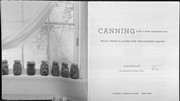
Builds directly on Ball Blue Book fundamentals with approachable, seasonal water-bath projects and clear explanations of the 'why' behind each step, reinforcing safe habits while keeping early practice enjoyable.
Pressure Canning & Expanding the Pantry
BeginnerMaster pressure canning low-acid foods (vegetables, meats, beans, soups) safely and confidently, and broaden the range of preserved foods beyond jams and pickles.
▸ Study plan for this stage
Pace: 6–8 weeks total. Week 1–3: Read "Putting Food By" (~40–50 pages/day), focusing on the science chapters and pressure canning sections first, then circling back to vegetables, meats, and soups. Week 4–6: Read "The Complete Guide to Pressure Canning" (~25–35 pages/day) more slowly and hands-on — keep t
- Why low-acid foods MUST be pressure canned: the science of Clostridium botulinum, spore survival, and why boiling-water baths are insufficient for vegetables, meats, and beans (grounded in Putting Food By's foundational science chapters)
- How a pressure canner works: the role of steam pressure in raising internal temperature to 240°F (116°C), and the critical differences between dial-gauge and weighted-gauge canners as explained in both books
- Processing times and pressure levels: understanding why times vary by food density, jar size, and altitude, and how to correctly read the USDA-based charts provided in Putting Food By
- Altitude adjustments: how elevation affects boiling point and why pressure must be increased above 1,000 feet — a key safety detail emphasized in both books
- Preparing low-acid foods for the canner: hot-pack vs. raw-pack methods, headspace requirements, and proper liquid ratios for vegetables, meats, beans, and soups as detailed in Diane Devereaux's step-by-step recipes
- Equipment inspection and maintenance: testing dial gauges for accuracy, checking gaskets and seals, and venting the canner correctly before pressurizing — covered practically in The Complete Guide to Pressure Canning
- Recognizing and responding to processing failures: under-pressure, seal failures, siphoning, and when to discard versus re-process, drawing on the troubleshooting guidance in both books
- Expanding the preserved pantry strategically: using Devereaux's meal-in-a-jar and soup/stew recipes to think beyond single ingredients toward ready-to-eat preserved meals
- According to Putting Food By, at what internal temperature is Clostridium botulinum destroyed, and why does a boiling-water bath canner fail to reach it for dense, low-acid foods?
- What is the difference between a dial-gauge and a weighted-gauge pressure canner, and what annual maintenance does Putting Food By recommend for each?
- Using the processing charts in Putting Food By, what pressure and time would you use to process quart jars of green beans at an altitude of 4,500 feet?
- As outlined in The Complete Guide to Pressure Canning, what are the step-by-step venting and pressurizing procedures before timing begins, and why does skipping the vent step compromise safety?
- How do hot-pack and raw-pack methods differ for meats and vegetables, and what does Diane Devereaux identify as the main advantage of hot-packing for pressure-canned products?
- What signs of spoilage should you look for when opening a home pressure-canned jar, and what do both books advise you to do if you detect any?
- Canner audit: Before your first pressure canning session, physically inspect your pressure canner using the equipment checklist in The Complete Guide to Pressure Canning — check the gasket, overpressure plug, vent pipe, and (if dial-gauge) arrange a gauge test at your local cooperative extension office.
- Altitude lookup drill: Find your exact elevation, then locate the altitude adjustment charts in Putting Food By and The Complete Guide to Pressure Canning. Write a sticky note for your canner listing the correct pressure setting for your altitude for both dial- and weighted-gauge canners.
- First pressure canning batch — green beans or carrots: Follow Devereaux's step-by-step recipe exactly, narrating each step aloud (venting, pressurizing, timing, depressurizing) to build procedural muscle memory. Log time, pressure readings, and any anomalies in a canning journal.
- Expand to protein: Process a batch of chicken broth or cubed chicken using the recipe and processing times in The Complete Guide to Pressure Canning, then compare the result to a store-bought equivalent for color, texture, and flavor — note observations in your journal.
- Meal-in-a-jar project: Using Devereaux's soup or stew recipes, plan and can a complete ready-to-eat meal (e.g., chicken soup or beef stew). Practice calculating scaled quantities for a full canner load of 7 quarts.
- Cross-book comparison chart: Create a two-column reference sheet comparing how Putting Food By and The Complete Guide to Pressure Canning handle the same food category (e.g., dried beans) — note any differences in headspace, liquid, pack style, or processing time, and research why discrepancies exist using USDA guidelines.
Next up: Mastering the science and safe procedures of pressure canning low-acid foods builds the technical confidence and pantry-thinking mindset needed to explore more advanced and specialized preservation methods — such as fermentation, dehydration, curing, and freezing — that form the foundation of a truly self-sufficient, whole-foods preservation practice.
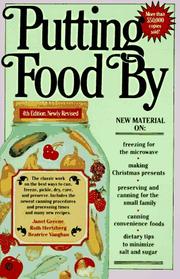
A comprehensive, science-grounded reference covering both water-bath and pressure canning in depth — reading it now bridges the gap between beginner jams and the more demanding world of low-acid pressure canning.

Focuses exclusively on pressure canning with step-by-step instructions and tested recipes for meats, stocks, and vegetables, giving dedicated practice to the method that carries the highest safety stakes.
Fermentation, Dehydration & Curing
IntermediateAdd lacto-fermentation, drying, smoking, and salt/sugar curing to your preservation toolkit, understanding the distinct microbiology and safety logic behind each method.
▸ Study plan for this stage
Pace: 8–10 weeks total. Weeks 1–6: "The Art of Fermentation" (~30–35 pages/day, 4–5 days/week) — Katz's book is dense and encyclopedic, so pace yourself thematically by chapter clusters (e.g., vegetables → dairy → grains → beverages) rather than rushing linearly. Weeks 7–10: "Preserving Everything" (~25–3
- Lacto-fermentation mechanics: how Lactobacillus bacteria produce lactic acid in an anaerobic, salt-controlled environment to inhibit pathogens (core to Katz's framework throughout 'The Art of Fermentation')
- The role of salt concentration: how brine percentage governs which microbes thrive or die, and why this is the primary safety lever in vegetable and meat ferments (Katz, fermented vegetables and meat chapters)
- Wild vs. cultured fermentation: the distinction between relying on ambient microbes (wild sourdough, wild krauts) versus introducing a specific starter culture, and the trade-offs in predictability and flavor (Katz, grains and dairy chapters)
- Water activity (Aw) as a preservation principle: how dehydration, salt curing, and sugar curing all work by reducing available moisture to levels where spoilage organisms cannot reproduce (Meredith, dehydration and curing chapters)
- Dehydration methods and their safety logic: sun drying, oven drying, and electric dehydrator use — including the critical pre-treatment steps (blanching, sulfuring, acidulating) that preserve color, nutrition, and safety (Meredith, dehydrating chapter)
- Salt and sugar curing: dry curing vs. wet brining, the chemistry of nitrates/nitrites in meat curing, and how sugar curing (jams aside) differs from lacto-fermentation in its preservation mechanism (Meredith, curing chapter)
- Cold and hot smoking: how smoking works as a surface antimicrobial treatment, why it is rarely sufficient as a standalone preservation method, and how it is combined with curing or drying for safety (Meredith, smoking chapter)
- Recognizing safe vs. unsafe ferments and dried goods: sensory and visual indicators of successful lacto-fermentation (brine cloudiness, bubbling, sour smell) versus signs of mold contamination or failed drying (Katz and Meredith, safety discussions)
- After reading Katz, can you explain in plain language why an anaerobic, salted environment allows beneficial Lactobacillus to outcompete dangerous pathogens like Listeria or E. coli — and what happens if the salt level is too low or the vessel is not kept submerged?
- Katz presents fermentation as a continuum of human and microbial co-evolution rather than a strict recipe-following exercise. How does this philosophy change the way you troubleshoot a ferment that looks or smells unexpected?
- Using Meredith's framework, what is the shared underlying mechanism between dehydrating apple slices, dry-curing a ham, and making a high-sugar fruit leather — and why does each still require its own specific safety checkpoints?
- Meredith covers both cold and hot smoking. What is the critical safety reason she gives for why smoked fish or meat must typically also be cured or dried, and what does this tell you about smoking's role in a multi-method preservation strategy?
- Across both books, three distinct microbial or chemical environments are used to make food shelf-stable: acidic (lactic acid), low-moisture, and high-salt/sugar. For each environment, name one food example from the books and one specific failure mode the author warns against.
- How do the safety philosophies of Katz and Meredith differ in tone and approach — Katz's embrace of 'controlled wildness' versus Meredith's more systematic method-by-method checklists — and how would you reconcile them in your own practice?
- Make a basic lacto-fermented vegetable (classic sauerkraut or a simple brine-fermented pickle) following Katz's ratio guidance rather than a fixed recipe — log daily observations of brine cloudiness, bubble activity, aroma, and taste from day 1 through day 14 to build intuition for the fermentation arc.
- Attempt a wild-culture ferment (e.g., a small batch of wild sourdough starter or a kvass) alongside a starter-culture ferment (e.g., yogurt or kefir) in the same week; write a one-page comparison of the process, predictability, and flavor outcome, grounding your observations in Katz's wild-vs.-cultured framework.
- Using Meredith's pre-treatment guidance, dehydrate two batches of the same fruit or vegetable — one with the recommended pre-treatment (blanching or acid dip) and one without — then compare color, texture, and shelf appearance after 48 hours to viscerally understand why pre-treatment matters.
- Design a 'multi-method preservation plan' for a single seasonal ingredient (e.g., a summer tomato harvest): write out how you would preserve a portion via lacto-fermentation, a portion via dehydration, and a portion via salt/sugar curing, citing the specific safety logic from Katz and Meredith for each method.
- Create a personal 'failure mode reference card': for each of the four methods covered (lacto-fermentation, dehydration, smoking, curing), list the two most critical failure points flagged by the authors and the corrective action — keep it posted in your kitchen as a living document.
- Visit a local farmers' market or specialty food store and identify at least one commercially made product for each method (e.g., a raw-fermented kraut, a jerky, a cured meat, a smoked fish); read the ingredient label and try to reverse-engineer which preservation mechanisms are at work, then compare your analysis to what Meredith describes about commercial vs. home methods.
Next up: Mastering these low-tech, microbiology-driven methods builds a complete mental model of how water activity, pH, and salt/sugar concentration control spoilage — the exact same safety logic that underpins the high-heat, high-acid, and pressure-based canning techniques that form the core of the next stage.

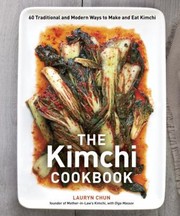
The definitive deep-dive into lacto-fermentation — krauts, kimchi, kvass, and beyond. Placed here so you already understand pH and microbial safety from canning before exploring the 'controlled spoilage' mindset of fermentation.

Covers dehydrating, freezing, infusing, salt-curing, and smoking in a single organized volume, efficiently rounding out your toolkit after you've mastered canning and fermentation.
Charcuterie, Pickling & Specialty Preservation
IntermediateTackle advanced cured meats, vinegar pickling science, and specialty preserves with precision, learning to balance flavor, texture, and safety at a higher level.
▸ Study plan for this stage
Pace: 8–10 weeks total: Weeks 1–6 for "Charcuterie" by Michael Ruhlman (~20–25 pages/day, including re-reading technique-heavy sections on curing ratios and sausage-making); Weeks 7–10 for "The Pickled Pantry" by Andrea Chesman (~15–20 pages/day, pausing to practice brine calculations and test recipes alo
- Salt and nitrate/nitrite curing chemistry: how salt draws moisture, inhibits pathogens, and how pink curing salts (Prague Powder #1 and #2) function differently for short vs. long cures (Ruhlman)
- The role of fat-to-lean ratios and emulsification in sausage and pâté texture — why ratios matter for both safety and mouthfeel (Ruhlman)
- Equilibrium curing vs. immersion curing: calculating precise salt percentages by meat weight to achieve consistent, repeatable results (Ruhlman)
- Fermentation and drying environments: controlling temperature, humidity, and airflow for dry-cured products like pancetta and lonza (Ruhlman)
- Vinegar pickling science: the role of acidity (minimum 5% acidity vinegar), brine ratios, and pH in preventing spoilage vs. lacto-fermentation (Chesman)
- Texture management in pickling: how blanching, salt draws, calcium chloride, and grape leaves affect crispness in finished pickles (Chesman)
- Flavor balancing in specialty preserves: layering spices, aromatics, and sweeteners in pickled fruits, relishes, and chutneys (Chesman)
- Safe headspace, processing times, and the distinction between water-bath-safe pickled products and those requiring refrigeration or pressure canning (Chesman)
- According to Ruhlman, what is the functional difference between Prague Powder #1 and Prague Powder #2, and when should each be used in a curing project?
- How does equilibrium curing differ from a standard brine cure, and why does Ruhlman advocate for it as a more precise method for the home practitioner?
- What environmental conditions (temperature, humidity, airflow) does Ruhlman specify for successfully dry-aging a product like pancetta, and what signs indicate a failed cure?
- According to Chesman, why must vinegar used in water-bath canning pickles be at least 5% acidity, and what risks arise from diluting brine beyond tested ratios?
- What techniques does Chesman recommend for maintaining crispness in cucumber pickles, and what is the science behind each method?
- How does Chesman distinguish between a relish, a chutney, and a pickled fruit preserve in terms of ingredient ratios, cooking method, and intended shelf life?
- Equilibrium cure a pork belly using Ruhlman's weight-based salt and pink salt calculations — cure for 7 days, flip daily, then cook and taste to evaluate salt penetration and texture.
- Make two batches of fresh sausage from Ruhlman's recipes using different fat-to-lean ratios (e.g., 20% fat vs. 30% fat) and compare the texture, juiciness, and bind side by side.
- Prepare a simple pâté or terrine from Ruhlman's book, focusing on the forcemeat technique; slice and evaluate for even texture, absence of air pockets, and flavor balance.
- Using Chesman's brine formulas, make two versions of dill pickles — one with a salt draw and one without — then compare crispness and flavor after 2 weeks to understand the impact of pre-salting.
- Create a small-batch chutney and a relish from Chesman's recipes, deliberately varying the spice profile in one batch; document flavor changes and evaluate how cook time affects texture.
- Conduct a pH test (using strips or a meter) on a finished jar of Chesman's pickles before and after processing to verify safe acidity levels, reinforcing the science behind water-bath safety.
Next up: Mastering the precision of curing ratios, brine chemistry, and flavor layering in this stage builds the scientific confidence and palate calibration needed to tackle fermentation-forward preservation — where microbial activity, not just salt or acid, becomes the primary preservation mechanism.
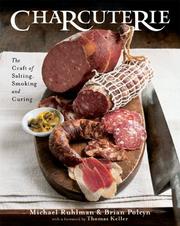
The gold-standard English-language guide to salt-curing, brining, smoking, and making sausages — builds naturally on the curing basics from Stage 3 and introduces nitrate chemistry and precise salt ratios.

Dedicated entirely to pickles — brined, vinegar, quick, and fermented — with thorough explanations of acidity and texture that deepen your understanding of pickling science beyond the basics covered in earlier stages.
Food Science & Mastery
ExpertUnderstand the microbiology, chemistry, and physics behind all preservation methods so you can evaluate untested recipes, troubleshoot failures, and adapt techniques with confidence.
▸ Study plan for this stage
Pace: 10–12 weeks total. Weeks 1–7: "On Food and Cooking" by Harold McGee (~30–35 pages/day, focusing on chapters covering water, salts, acids, sugars, heat, and microbial spoilage — skip or skim purely culinary-history sections on first pass). Weeks 8–12: "The Science of Good Food" by Joachim, Schloss &
- Water activity (Aw) and its role as the master variable controlling microbial growth, enzymatic reactions, and spoilage across all preservation methods
- Microbial threat hierarchy: understanding the specific conditions required to inhibit or destroy bacteria (especially Clostridium botulinum spores), molds, yeasts, and enzymes — as detailed in McGee's sections on fermentation and food safety
- The chemistry of acidity and pH: how acids denature proteins, inhibit pathogens, and interact with pigments, pectin, and cell walls — foundational to evaluating any canning or pickling recipe
- Heat transfer and thermal death curves: how temperature, time, and food density interact to achieve sterilization or pasteurization, grounding the logic behind tested processing times in pressure and water-bath canning
- The role of sugar concentration in preservation: osmotic pressure, its effect on water activity, and why jam and jelly recipes have precise sugar ratios — drawn from McGee's coverage of sugars and candy chemistry
- Enzymatic browning and blanching science: why enzymes must be deactivated before freezing or drying, and the chemical mechanisms McGee explains for oxidative and non-oxidative browning
- Salt, brines, and fermentation chemistry: how sodium chloride selects for beneficial lactobacilli, suppresses pathogens, and drives osmotic and acidification processes in fermented and pickled foods
- The Maillard reaction and caramelization as markers of heat exposure — useful for diagnosing over-processing and understanding color/flavor changes in preserved foods
- Given a new, untested pickle recipe, what pH threshold must the finished product reach, and which chemical principles from McGee explain why that threshold stops C. botulinum?
- Why does a high-sugar jam with 65% soluble solids resist microbial spoilage without pressure canning, and what would happen to that safety margin if you reduced the sugar by 30%?
- How do the thermal death curves described in 'On Food and Cooking' justify the difference in processing times between a water-bath canner (212°F/100°C) and a pressure canner (240°F/116°C) for a low-acid vegetable?
- What is water activity, how does it differ from moisture content, and how does it explain why beef jerky dried to 20% moisture can still spoil while hard candy at a similar moisture level cannot?
- Using the fermentation chemistry covered in both books, explain why a lacto-fermented vegetable brine becomes self-preserving over time without any added acid or heat treatment.
- What enzymatic and chemical reactions does McGee identify as the primary causes of quality loss (not safety failure) in frozen foods, and how does blanching address each one?
- pH mapping exercise: Prepare four preservation liquids (plain water, a standard 5% vinegar brine, a reduced-sugar jam base, and a lacto-ferment brine at day 7). Use pH strips or a meter to measure each, then write a one-page analysis connecting each reading to the microbial safety principles in McGee.
- Water activity audit: Select five pantry-preserved items (jam, jerky, dried herbs, pickles, a canned vegetable). Research or calculate their approximate Aw values, then rank them by spoilage risk and write a justification grounded in the water-activity science from both books.
- Recipe autopsy: Find one recalled or known-unsafe home-canning recipe online (e.g., a low-acid salsa without tested ratios). Using McGee's chemistry chapters as your analytical framework, write a detailed failure report identifying every variable that creates a safety hazard.
- Thermal penetration experiment: Pack two identical jars — one with a thin liquid (apple juice) and one with a dense purée (pumpkin butter). Process both and use an instant-read thermometer at the center immediately after processing to compare heat penetration; document how this connects to McGee's heat-transfer principles.
- Fermentation observation log: Start a small batch of lacto-fermented vegetables (e.g., sauerkraut or carrots). Over 14 days, record pH, brine cloudiness, bubble activity, and taste every 2–3 days. Annotate each entry with the specific microbial or chemical mechanism from 'On Food and Cooking' that explains the change you observe.
- Concept cross-reference map: Create a two-column reference sheet pairing every major preservation method (water-bath canning, pressure canning, freezing, drying, fermenting, curing) with the specific McGee chapter and the corresponding entry in 'The Science of Good Food' that explains its underlying science — use this as a living study document throughout the stage.
Next up: By internalizing the microbiology, chemistry, and physics behind preservation, the reader is now equipped to move from understanding *why* tested recipes work to confidently *developing and scaling* their own — the foundation needed for any advanced practical or recipe-development stage.
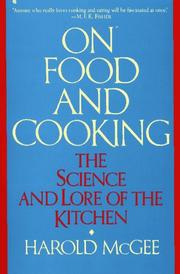
The essential food-science reference — its chapters on microbial spoilage, acids, sugars, and heat give you the scientific framework to understand exactly why every preservation rule exists.

A practical A-to-Z food-science encyclopedia that complements McGee with focused entries on preservation chemistry, water activity, and pH, cementing your ability to reason from first principles about any new preservation challenge.
Discussion
Keep reading
Paths that share books, cover the same subject, or open a related topic.