The Best Books on Cooking Wild Game, in Order
This curriculum is built for the cook who already has kitchen confidence and wants to master the full field-to-table arc — from ethical harvest and proper butchering through refined, technique-driven cooking of venison, duck, and upland birds. Each stage deepens the previous one: first establishing the craft of breaking down and handling wild game correctly, then building a broad wild-game cooking repertoire, and finally reaching the level of nuanced, chef-driven technique that elevates wild ingredients to their highest expression.
Field Craft & the Butcher's Foundation
IntermediateUnderstand how to properly field dress, age, hang, and butcher deer, duck, and upland birds — building the foundational vocabulary and hands-on knowledge that every subsequent recipe depends on.
▸ Study plan for this stage
Pace: 4–5 weeks, ~40–50 pages/day. Start with Rinella's complete guide (approximately 400 pages covering field dressing, aging, and butchering techniques across multiple species), then move to Shaw's Buck, Buck, Moose (approximately 300 pages with detailed deer and moose processing). Allocate 1–2 weeks pe
- Field dressing fundamentals: proper incisions, organ removal, and cavity cooling to preserve meat quality immediately after harvest
- Aging and hanging protocols: temperature control, humidity, timing (7–21 days depending on species), and how enzymatic breakdown improves flavor and tenderness
- Anatomical knowledge of deer, duck, and upland birds: skeletal structure, muscle groups, connective tissue, and how anatomy determines butchering approach
- Breaking down whole carcasses: primals, subprimals, and trim; understanding yield percentages and waste minimization
- Species-specific processing: differences between venison (deer/moose), waterfowl (duck), and upland game birds in terms of fat content, aging requirements, and butchering technique
- Tool selection and maintenance: knives, saws, and equipment appropriate for each stage of processing
- Food safety and sanitation: preventing contamination, proper cooling, and storage protocols from field to freezer
- Recognizing quality and detecting spoilage: visual and olfactory cues that indicate proper aging versus deterioration
- Walk through the complete field dressing process for a deer: what are the critical incisions, what organs must be removed, and why is speed and cleanliness essential?
- Explain the difference between wet-aging and dry-aging venison, including temperature ranges, duration, and how each method affects the final product.
- How does the anatomy of a duck differ from a deer in ways that require a different butchering approach? What are the key anatomical landmarks for each?
- Describe the primals you would break a whole deer carcass into, and explain what cuts come from each primal and their best culinary uses.
- What are the critical temperature and humidity parameters for hanging game, and what happens if these conditions are not maintained?
- How would you identify spoilage or improper aging in a hanging carcass, and what visual or olfactory signs would tell you to discard meat?
- Watch Rinella's field dressing demonstrations (if available in the book or supplementary materials) and practice the knife work on a practice carcass or detailed diagram, identifying each anatomical landmark before making incisions.
- Set up a mock aging environment (cooler with temperature/humidity monitoring) and track conditions daily for one week, documenting how temperature and humidity fluctuate and what adjustments are needed.
- Butcher a whole chicken or rabbit as a scaled-down analog to understand primal breakdown, muscle separation, and trim removal before working with larger game.
- Source a whole duck or game bird and practice breaking it down while referencing Shaw's or Rinella's diagrams, identifying the differences in bone structure and muscle attachment compared to land game.
- Create a detailed butchering chart for deer that maps out primals, subprimals, and retail cuts with corresponding page references from both books, noting yield percentages.
- Practice knife sharpening and tool maintenance weekly; handle and sharpen the specific knives recommended in Rinella's guide to develop muscle memory and understand edge geometry.
Next up: Mastery of field craft and butchering technique provides the clean, properly aged, expertly trimmed raw materials that every recipe in subsequent stages depends on—without this foundation, even the best cooking methods cannot compensate for poor processing.

Rinella's two-volume set (Vol. 1: Big Game) is the single best starting point for the intermediate field-to-table cook — it covers shot placement, field dressing, aging, and breaking down a deer carcass before a single recipe is attempted.

Shaw's venison-dedicated book picks up exactly where butchering ends, walking through every cut of a deer and how to best use each one — essential reading before moving into broader wild-game cookery.
Building a Wild Game Cooking Repertoire
IntermediateDevelop a broad, reliable set of recipes and techniques for venison, waterfowl, and upland birds, learning how wild proteins differ from domestic meat and how to cook them confidently.
▸ Study plan for this stage
Pace: 8–10 weeks, ~40–50 pages/day, with 2–3 cooking sessions per week
- How wild game proteins differ from farm-raised meat: fat distribution, muscle structure, flavor intensity, and aging requirements
- Fundamental venison cooking techniques: breaking down whole animals, managing lean meat, braising, roasting, and ground meat applications
- Waterfowl-specific skills: plucking vs. skinning, rendering fat, managing gaminess, and cooking different species (ducks, geese, teal)
- Upland bird fundamentals: cleaning and butchering small game birds, understanding cook-through temperatures, and preventing dryness
- Flavor pairing and sauce-building for wild game: acidic components, fat balance, and complementary spices that enhance rather than mask wild flavors
- Sourcing, storage, and food safety: proper handling, aging protocols, and identifying quality wild meat
- Recipe adaptation and troubleshooting: adjusting cooking times and methods based on animal age, season, and cut
- What are the key structural and flavor differences between venison and domestic beef, and how do these differences affect cooking method selection?
- Describe the process for breaking down a whole venison shoulder or hindquarter, and explain which cuts are best suited for braising versus roasting.
- How do you prevent waterfowl from becoming dry or overly gamey, and what techniques differ between cooking a mallard versus a teal?
- Walk through the steps for properly plucking and butchering an upland bird like a pheasant or quail, and explain why temperature control is critical.
- What role do acidic components and rendered fat play in building sauces for wild game, and provide two examples of flavor pairings that work well with venison?
- How should you age, store, and handle wild game to ensure food safety and optimal flavor development?
- Cook at least one venison braise (e.g., shoulder stew or pot roast) from 'Hunt, Gather, Cook,' noting how the meat's leanness affects braising time and liquid absorption compared to beef.
- Prepare a whole venison roast (loin or backstrap) using dry-heat methods; document internal temperature, resting time, and final texture to understand the narrow window between rare and overdone.
- Source and cook at least two different waterfowl species (e.g., mallard and teal or domestic duck); compare fat content, cooking times, and gaminess levels across species.
- Practice plucking and butchering at least two upland birds (pheasant, quail, or cottontail); time yourself and note which cuts work best for different cooking methods.
- Develop a wild game sauce or pan reduction using rendered fat, acid (wine, vinegar, or citrus), and aromatics; test it with at least two different proteins to understand versatility.
- Create a simple flavor-pairing chart mapping three venison cuts to three complementary sauce or marinade options, then cook at least two pairings to validate your choices.
Next up: This stage builds a confident, hands-on foundation in preparing venison, waterfowl, and upland birds through direct experience with their unique properties and techniques, preparing you to advance to specialized applications such as charcuterie, preservation, and restaurant-level plating in the next stage.

Shaw's foundational narrative book explains the philosophy and ecology behind wild food before teaching technique — it gives the intermediate cook the 'why' behind wild-game cooking decisions.

The definitive English-language book on cooking waterfowl; read after Hunt, Gather, Cook because it applies Shaw's broader philosophy specifically to ducks and geese with species-by-species guidance.

Completes the Shaw upland-bird trilogy, covering every common game bird with plucking, butchering, and cooking instructions — pairs naturally with Duck, Duck, Goose to round out the fowl curriculum.
Chef-Level Technique & Elevated Wild Game
ExpertApply professional culinary technique — charcuterie, curing, smoking, classical preparations, and modern methods — to wild game, transforming field-harvested ingredients into refined, restaurant-quality dishes.

A focused, technique-rich venison reference that bridges the gap between home cook and serious craftsman, offering preparations that reward the cook who already understands their raw material.
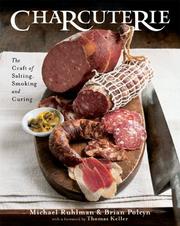
The canonical English-language guide to curing, smoking, and preserving meat — its techniques translate directly to venison sausage, duck prosciutto, and game pâtés, unlocking a whole new dimension of wild-game cookery.

Rinella's recipe-forward companion volume synthesizes everything learned across the curriculum into a comprehensive, field-tested cookbook covering big game, birds, and fish — the ideal capstone reference.
Discussion
Keep reading
Paths that share books, cover the same subject, or open a related topic.