Provençal and Southwest French Cooking: The Best Books to Read, in Order
The cooking of the French south splits into two quite different traditions that English-language books often blur together: the olive-oil, garlic and vegetable kitchen of Provence and the Mediterranean coast, and the duck-fat, confit and cassoulet kitchen of Gascony and the southwest. This path keeps them apart. It starts with the writers who taught the English-speaking world to cook from a market rather than a recipe, works through Provence itself, then crosses to the southwest, and ends with menu construction, wine and the history of how this food reached American and British kitchens. Most of these books are decades old and were written for cooks with time; that is the point of them, and several assume ingredients and cuts you will have to substitute for.
Cooking to the Market, Not the Recipe
BeginnerAbsorb the underlying method of southern French home cooking — seasonality, restraint, and the handful of preparations that recur everywhere — before learning any regional specifics.
▸ Study plan for this stage
Pace: Four to six weeks, measured in dishes rather than pages. Read Olney's Simple French Food (393 pages) slowly across the whole stage — it is discursive essays with recipes embedded, few timings and no photographs, and it is not a book you finish. Elizabeth David's French Provincial Cooking (528 pages)
- Cooking to the market rather than to a recipe is the method this whole path teaches: you buy what is good, then decide what to make. Olney's book is structured to train that reflex, which is why it has so few prescriptive timings.
- Olney was an American painter who lived above Solliès-Toucas for decades, and his authority is that of a resident rather than a researcher. His prose assumes a cook with time, judgement and a willingness to taste and adjust rather than measure.
- Restraint is a technique, not an absence of one. The southern French repertoire is built from very few ingredients handled precisely, and most failures are additions rather than omissions.
- The recurring preparations that appear everywhere and are worth learning first: a proper vinaigrette, an aïoli, a slow-cooked daube, a vegetable gratin, and the handling of garlic, olive oil, herbs and anchovy as seasonings rather than as flavours in themselves.
- Elizabeth David's French Provincial Cooking is the clearest writing in English on how one French region's kitchen differs from the next and why — climate, fat, and what the land produces. Use it as the geography for everything that follows.
- A Book of Mediterranean Food was published into rationed post-war Britain and is the origin of the Anglophone romance with olive oil and garlic. It is a historical document as much as a cookbook, and reading it that way explains a great deal about how this cuisine reached English kitchens.
- The two traditions this path keeps apart are already visible here: the olive-oil, garlic and vegetable kitchen of the Mediterranean coast, and the duck-fat and preservation kitchen of the southwest. English-language books routinely blur them.
- What these books assume: a competent home cook with time, a decent market, and tolerance for a recipe that does not tell you how long anything takes. None of them is a beginner's manual.
- What does cooking to the market actually require of you in practice — of shopping, of planning, and of the recipe? Describe how a week's cooking changes.
- Olney gives few timings. What is he assuming you will do instead, and what skill does that force you to develop?
- Using David, describe three ways the cooking of Provence differs from that of the southwest, and name the underlying cause of each difference.
- Why is restraint hard? Take one dish you have cooked from this stage and identify what you were tempted to add and what adding it would have done.
- A Book of Mediterranean Food was written for a country that could not buy most of its ingredients. What does that context explain about the book's form and its influence?
- Go to a market three times without a plan, buy what is best, and cook from Olney afterwards. Write down what you bought and what you made each time.
- Make aïoli by hand at least twice, once successfully and once broken, and learn how to bring it back. The emulsion is a recurring requirement in the next stage.
- Cook one daube exactly as Olney describes and one as David does, and note every difference in method and result.
- Keep a notebook of the seasonings — garlic, oil, anchovy, herbs, wine — with a note on how each behaves as quantity increases. This is the vocabulary the later books assume.
- Write a one-page description of what you think the underlying method of this cooking is, before you read any regional specifics. Revise it at the end of the path.
Next up: With the method in hand, the next stage cooks the specific repertoire of Provence and the coast, where you will see the same restraint applied to a defined set of dishes.
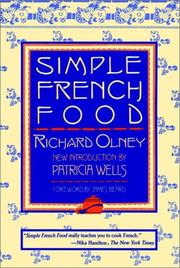
The foundational book of this path and one of the great cookbooks in English. Olney, an American painter who lived above Solliès-Toucas for forty years, writes discursive essays with recipes embedded in them; there are few timings and no photographs, which is exactly the training this subject requires.
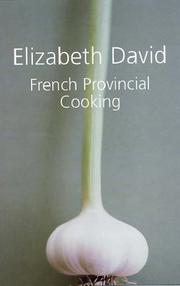
David's 1960 survey of French regional cooking, and the book that taught postwar Britain what a daube was. Read second for the geography — she is the clearest writer here on how one region's kitchen differs from the next and why.
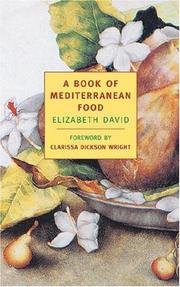
David's first book, published in 1950 into rationed Britain, and the origin of the whole Anglophone romance with olive oil and garlic. Short, more anthology than manual, and worth reading third as the historical moment this cuisine entered English.
Provence Itself
IntermediateCook the specific repertoire of Provence and the Côte d'Azur — aïoli, soupe au pistou, daube, ratatouille, the salt cod and vegetable dishes — and learn what distinguishes coastal Niçois cooking from inland Provençal.
▸ Study plan for this stage
Pace: Six to eight weeks for around 1,235 pages, and cook heavily throughout. Olney's Lulu's Provençal Table (344 pages) is the centre — read it over two weeks and cook from it across the whole stage. Médecin's Cuisine Niçoise (239 pages) is short and specific: a week, cooking three or four Niçois dishes.
- Lulu's Provençal Table is a portrait of Lulu Peyraud of a Bandol wine estate and the way she cooked for a working household, which is why every dish is anchored to people who actually ate it. That anchoring is what makes it the most useful single Provençal book here.
- The Provençal repertoire proper: aïoli and the grand aïoli as a meal, soupe au pistou, daube, ratatouille handled as separate vegetables rather than a stew, salt cod, stuffed vegetables, and the tians and gratins.
- Coastal Niçois cooking is a distinct tradition with Ligurian influence, and Médecin sets down its canon — pissaladière, socca, pan bagnat, farcis — with a purist's insistence on what does and does not belong in a salade niçoise. The argument about that salad is a useful entry into how regional canon
- Inland Provençal cooking and coastal Niçois cooking differ in fat, in fish, in the use of pasta and chickpea flour, and in what the mountains supply. Keeping them apart is the point of reading Olney and Médecin in sequence.
- Wells is an American food journalist with a house in the region, and her recipes are written with quantities and timings that work first time. She is the modern, tested counterweight to Olney's discursive method — use her when you need a result and Olney when you want to understand. Her later The Pr
- Verge cooked at a Michelin restaurant near Mougins, and Cuisine of the Sun is the professional register: the same ingredients handled with classical technique and considerably more butter. It shows where restaurant method departs from domestic method and why.
- Wine is an ingredient and a context in this cooking, and the estate setting of Lulu's Provençal Table makes that explicit before the wine stage arrives.
- The catalogue record for Lulu's Provençal Table renders the accented word oddly; it is the book co-credited to Alice Waters.
- What distinguishes coastal Niçois cooking from inland Provençal cooking? Name four concrete differences with a dish exemplifying each.
- Médecin is a purist about salade niçoise. What does he exclude, on what grounds, and what does the argument show about how a regional canon is defined and defended?
- Compare a dish that appears in both Olney and Wells. What does each author assume, what does each specify, and which version worked better for you?
- Verge cooks the same ingredients with restaurant technique. Where does that technique genuinely improve the dish, and where does it merely make it richer?
- Ratatouille is commonly made as one pot. What does the correct method require, and why does it matter?
- Lulu cooked for a wine estate. How does that setting shape the food, and what would change if the same repertoire were cooked in a town?
- Cook a grand aïoli as a whole meal for several people. It is the single dish that best teaches the logic of this cuisine.
- Make ratatouille twice — once as a single pot and once with each vegetable cooked separately and combined at the end — and taste them side by side.
- Cook socca and pissaladière from Médecin, then read what Olney and Wells say about the same dishes. Note where they disagree.
- Take one dish from Verge and one comparable dish from Olney and write out both methods side by side, marking every point where the professional version adds a step.
- Build a Provençal menu for six from Lulu's Provençal Table and cook it in one day. The logistics are the lesson.
Next up: Crossing from the Mediterranean coast into Gascony means changing the fat from olive oil to duck and goose, and putting preservation at the centre rather than the edge of the kitchen.
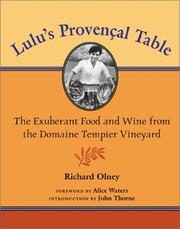
Olney's portrait of Lulu Peyraud of Domaine Tempier in Bandol and the way she cooked for a working wine estate. The most useful single Provençal book on this path because every dish is anchored to a household that actually ate it. The catalogue record renders the accented word oddly; it is the 1994 book co-credited to Alice Waters.

The Niçois canon set down by the city's own mayor: pissaladière, socca, pan bagnat, farcis, and a purist's insistence on what does and does not belong in a salade niçoise. Read after Olney for the coastal, Ligurian-inflected variant of the same cuisine.
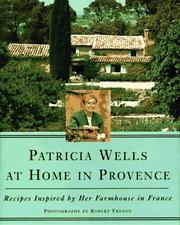
The modern, tested-recipe counterweight to Olney: Wells is an American food journalist with a house near Vaison-la-Romaine, and her recipes are written with quantities and timings that work first time. Catalogued as Patricia Wells at Home in Provence. Her later The Provence Cookbook covers similar ground through local producers.
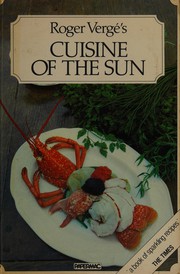
The restaurant view, from the chef of Le Moulin de Mougins — the same ingredients handled with classical technique and considerably more butter. Placed last in this stage as the professional register against the domestic one, and the bridge to the southwest's richer cooking.
The Southwest: Duck Fat, Confit and Cassoulet
IntermediateLearn the very different kitchen of Gascony, the Périgord and the Basque country, where the fat is duck and goose rather than olive oil, and preservation is central rather than incidental.
▸ Study plan for this stage
Pace: Six to eight weeks for around 1,390 pages, and this is the most technique-heavy stage on the path. Wolfert's The Cooking of South-West France (356 pages) is the standard work and should be read over two weeks and cooked from for the rest — confit alone needs planning days ahead. Willan's The Country
- The southwest is a duck and goose fat kitchen, not an olive oil one, and almost every difference from Provence follows from that single substitution — the textures, the preservation methods, the vegetables, and what wine is drunk with it.
- Confit is the technique the whole region is built on: salting, slow cooking in fat, and storing submerged in it. Wolfert researched it village by village and is the reason anyone outside France can make a proper one.
- Cassoulet is a composite dish with regional variants that are argued about seriously — which meats, which beans, whether a crust is broken and how many times. Learning it is learning how a dish becomes an identity.
- Preservation is central rather than incidental here. Confit, salting, sausage-making and the use of every part of the bird are what the cuisine is organised around, and they assume a household that once killed its own animals.
- Willan founded a French cooking school, and The Country Cooking of France places the southwest beside the other regional kitchens with heavy illustration. It is the most reliable and best-tested reference of the three and the safest place to check a technique.
- Thorisson writes from a household in the Médoc and shows how this food is cooked now — seasonal, photographed, much less formal than Wolfert. Read her for contemporary practice rather than for canonical versions.
- Wolfert's record here is the earlier British edition, filed as The Cooking of South-West France. The later revision is substantially expanded and is the one to buy if you have the choice.
- Thorisson's second book is not to be confused with Elizabeth David's differently titled book from the first stage, despite the similar name.
- Why does the fat determine so much? Trace duck fat through at least four dishes and say what olive oil would do differently in each.
- Explain confit as a preservation technique: what the salt does, what the fat does, what the slow cooking does, and where modern refrigeration changes the calculation.
- What are the main regional variants of cassoulet, and what is actually at stake in the argument between them?
- Wolfert researched village by village. What does that method capture that a chef's cookbook does not, and what does it cost in reproducibility?
- Compare Wolfert's version of a dish with Willan's. Which is more likely to work first time, and which teaches you more?
- How does Thorisson's contemporary southwest differ from Wolfert's? Which changes are about ingredients, which about households, and which about photography?
- Make duck confit from scratch, including rendering your own fat, and keep some for later use. Note the timings you actually used against those given.
- Cook a full cassoulet over a weekend, following one regional version exactly and recording every decision point. Then read the other versions and mark where you would now diverge.
- Render, store and reuse duck fat through three successive dishes, noting how it changes.
- Take one dish that appears in both Wolfert and Willan and cook both versions. Write down which instructions each book leaves out.
- Build a shopping and substitution list for the ingredients Wolfert assumes and you cannot get, with your best replacement for each and a note on what is lost.
Next up: You can now cook both regions dish by dish; the last stage is about assembling meals from them, drinking the right thing with them, and understanding how this food reached English-speaking kitchens at all.
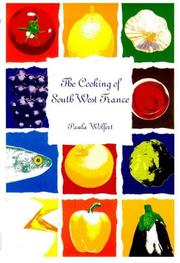
The standard work in English, and the reason anyone outside France can make a proper confit or cassoulet. Wolfert researched it village by village over years. Note that the record here is the earlier British edition, filed as The Cooking of South-West France; the 2005 revision is substantially expanded and is the one to buy if you have the choice.
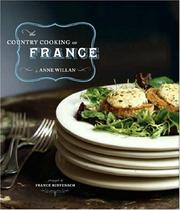
A regional survey by the founder of École de Cuisine La Varenne, useful directly after Wolfert because it places the southwest beside the other French regional kitchens and is far more heavily illustrated. Reliable, tested, and the safest reference of the three books here.
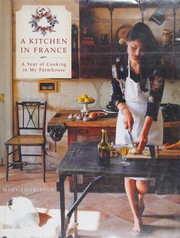
The contemporary southwest, from a household in the Médoc: seasonal, photographed, and much less formal than Wolfert. Read it for how this food is cooked now rather than for the canonical versions.

Thorisson's second book, moving inland after the family relocated, with more game, mushrooms and cold-weather cooking. Optional if the first suited you; skip it if it did not, since the approach is identical. Not to be confused with Elizabeth David's differently titled book of similar vintage in the first stage.
Menus, Wine and the History
IntermediateStop cooking dish by dish and start building meals, understand the wines these regions drink with their own food, and see how this cuisine was transmitted to English-speaking cooks.
▸ Study plan for this stage
Pace: Four to five weeks for around 975 pages. Olney's The French Menu Cookbook (375 pages) is the demanding one and should only be read after Simple French Food, whose techniques it assumes — two weeks, and cook at least two complete menus. Kermit Lynch's Adventures on the Wine Route (279 pages) reads li
- Menu construction is a discipline with its own logic: sequence, weight, repetition avoided, and each course setting up the next. Olney's first book organises menus by season with wine matched to every course and an argument about how a meal should be shaped.
- The French Menu Cookbook is the book nobody reads until they are ready for it, because it assumes the techniques of Simple French Food and asks you to plan rather than to follow. It is the natural end point of the path's method.
- Seasonality operates at the level of the menu, not the dish. Once you plan whole meals, the market-driven approach from the first stage stops being a slogan and becomes a constraint you have to solve.
- Kermit Lynch is an American importer, and Adventures on the Wine Route argues for unfiltered, unmanipulated wine made by named growers. It covers Bandol and the southwest among other regions and is the fastest education in why these wines taste as they do.
- Wine and food from the same region generally suit each other because both were shaped by the same climate, soil and habits. That is a useful heuristic and not a law, and Lynch is good on where it fails.
- Provence 1970 reconstructs a winter when several of the figures who shaped American food writing were in the south of France at once, drawn from the journals of one of them. It explains where the taste this path teaches actually came from.
- This cuisine reached English-speaking kitchens through a small number of writers with strong opinions, and knowing that lets you read the whole path as a transmission history rather than as a neutral record of how people in the south of France cook.
- For the lighter and far more famous version of the same territory, Peter Mayle's A Year in Provence is the popular account, and it is a different kind of book from anything else here.
- What makes a menu work as a sequence rather than a list? State Olney's principles and test them against a meal you have eaten recently.
- How does planning a whole menu change your shopping and your cooking day compared with cooking a single dish?
- What is Lynch actually arguing for, and what is he arguing against? Identify the winemaking practices at issue.
- Why do regional food and regional wine tend to suit each other, and where does the rule break down?
- Provence 1970 describes a moment of transmission. Who was transmitting what to whom, and what did the receiving culture change about it?
- Looking back over the whole path, how much of what you have learned is the cooking of the French south, and how much is a particular Anglophone idea of it?
- Cook one complete Olney menu for four people, in sequence, with the wines he suggests or their nearest available equivalents. Write up what worked and what the sequence did that individual dishes could not.
- Plan three seasonal menus for your own market and location, using dishes from every stage of this path, and note where you had to substitute.
- Taste two wines from the same region, one conventionally made and one in the style Lynch advocates, alongside a dish from the second or third stage.
- Write a short history of how the cooking of the French south reached your own kitchen, naming the writers and books in the chain. Provence 1970 gives you most of it.
- Revise the one-page statement of method you wrote at the end of the first stage. The difference between the two versions is what the path taught you.
Next up: That closes the path: the market-driven method, the two regions kept properly apart, and the menus, wines and writers that connect them — with the standing caution that most of these books were written for cooks with time and assume ingredients you will have to substitute for.
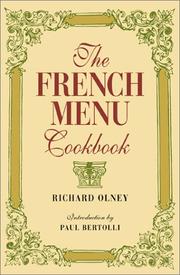
Olney's first book, and the one nobody reads until they are ready for it: menus organised by season, with wine matched to each course and an argument about how a meal should be shaped. Read only after Simple French Food, whose techniques it assumes.
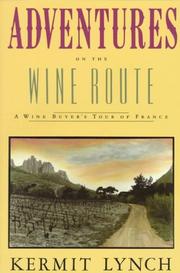
An American importer's travels through French wine regions, including Bandol and the southwest, arguing for unfiltered, unmanipulated wine. The best short education in what these growers are doing and why it matters to what you cook.

The closing book: the winter that Julia Child, M.F.K. Fisher, Richard Olney and James Beard were all in the south of France at once, reconstructed by Fisher's great-nephew from her journals. It explains where the taste this whole path teaches actually came from. For the lighter version of the same territory, Peter Mayle's A Year in Provence is the famous one.
Discussion
Keep reading
Paths that share books, cover the same subject, or open a related topic.