Molecular gastronomy — better called modernist cooking — treats the kitchen as a laboratory, using science to understand and reinvent how food behaves. But the flashy foams and spheres are the last thing you should learn. The real foundation is understanding why heat, acid, and hydrocolloids do what they do; the techniques follow naturally once the science is in place.
That is exactly the order this path enforces: science first, then the landmark works that apply it, then the deep reference and the frontier of flavor.
Build the scientific foundation
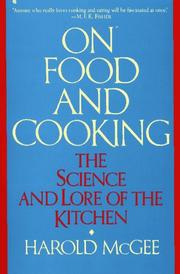
Start with the single most important food book of the era: On food and cooking, Harold McGee's exhaustive explanation of the science behind everyday ingredients and processes. It is the bedrock the entire field rests on — read it before anything with a siphon or an immersion circulator.
Enter modernist technique
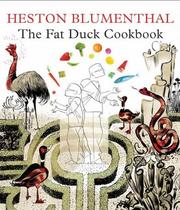
Now bring the science into the modernist kitchen. The Fat Duck Cookbook, Heston Blumenthal's window into his experimental restaurant, shows the philosophy in action, while Modernist cuisine at home, Nathan Myhrvold's accessible one-volume distillation, gives you techniques you can actually do at home.
Reach for the deep reference
For those going all in, the encyclopedic Modernist cuisine — Myhrvold's multi-volume magnum opus — is the definitive reference on the science and technique of everything. Hydrocolloids in Food Processing gets specific about the gels, foams, and emulsions that power the visible tricks. The kitchen as laboratory, a collection of scientist-chef essays, keeps you thinking experimentally.
Push into new territory
Finally, explore where the field is heading. Modernist bread, another Myhrvold epic, applies the whole approach to a single ancient food, and The Art and Science of Foodpairing uses aroma chemistry to suggest surprising flavor combinations. Together they show that modernist cooking is a way of thinking, not just a bag of tricks.
Follow the full path to see each book in its stage with a study plan.
Follow the full reading path →
Ready to learn something deeply?
Build a reading path — free