Sous vide cooking: the best books for precise, tender results
This curriculum takes a beginner from zero sous vide knowledge to confident, precise home cooking across proteins, eggs, and vegetables. Each stage builds on the last — starting with the science and safety fundamentals, moving through technique mastery for specific ingredients, and finishing with the broader modernist context that deepens intuition and creative range.
Foundations: The Why and How of Sous Vide
BeginnerUnderstand what sous vide is, why temperature precision matters, and feel confident setting up and safely cooking your first meals at home.
▸ Study plan for this stage
Pace: 4–5 weeks, ~25–30 pages/day (approximately 150–180 pages total across both books for this foundational stage)
- Sous vide is a precision cooking method that uses immersion circulators to maintain exact water temperatures, enabling consistent, restaurant-quality results at home
- Temperature precision directly controls doneness, texture, and food safety—understanding target temperatures for different proteins and desired outcomes is essential
- The Maillard reaction and browning occur at high temperatures, so sous vide proteins require finishing techniques (searing, broiling) to develop flavor and crust
- Water displacement (displacement method) and vacuum sealing are the two primary sealing techniques; understanding their trade-offs helps you choose the right approach for your setup
- Immersion circulator equipment basics: how to select, set up, and safely operate an immersion circulator in various containers
- Food safety in sous vide cooking: pasteurization times and temperatures, the importance of proper sealing, and how precision cooking actually enhances safety when done correctly
- The science of cooking: how heat transfers through food, why lower temperatures can produce superior texture compared to traditional methods, and the role of time and temperature in protein denaturation
- What is sous vide cooking, and how does maintaining precise water temperature produce better results than traditional cooking methods?
- Why is the Maillard reaction important in sous vide cooking, and what finishing techniques can you use to achieve browning and crust after cooking?
- What are the target temperatures for medium-rare beef, medium chicken, and medium salmon, and how do you know these temperatures are safe?
- What are the two main sealing methods for sous vide, and when would you use each one (vacuum sealing vs. water displacement)?
- How do you safely set up and operate an immersion circulator, and what safety considerations should you keep in mind?
- Explain the relationship between time, temperature, and food safety in sous vide cooking—why can you cook chicken at lower temperatures than traditional methods?
- Set up your immersion circulator in a pot or container, fill it with water, and practice reaching and maintaining a target temperature (e.g., 56°C for medium-rare steak) for 15 minutes; record the temperature stability
- Prepare and seal a protein using both the water displacement method and vacuum sealing (if you have a vacuum sealer); compare the ease, cost, and results of each technique
- Cook your first sous vide meal: a simple protein (steak, chicken breast, or salmon) at the recommended temperature for your desired doneness; finish it with a quick sear in a hot pan and taste the results
- Research and create a reference chart of target temperatures and cooking times for at least 5 different proteins (beef, pork, chicken, fish, lamb) based on the books' guidance
- Conduct a side-by-side taste test: prepare the same protein using sous vide and a traditional cooking method (pan-searing or oven-roasting); note differences in texture, juiciness, and consistency
- Practice the water displacement sealing technique with 3–5 different items (vegetables, proteins, aromatics) to build confidence and speed before committing to vacuum sealing equipment
Next up: This stage establishes the foundational knowledge and hands-on confidence needed to move into intermediate techniques, where you'll explore advanced flavor development, multi-component meals, and precision cooking for specific cuisines and dietary goals.

Written specifically for home cooks, this is the most accessible entry point — it explains the equipment, food safety basics, and core time/temperature logic without overwhelming jargon. Read this first to build vocabulary and confidence.

Kenji's deep-dive into the science of everyday cooking includes extensive sous vide sections on steak, eggs, and vegetables. Reading it second grounds the 'why' behind temperatures in real kitchen intuition before you go further.
Core Technique: Proteins, Eggs, and Vegetables
IntermediateMaster time and temperature charts for the most common sous vide ingredients — steak, chicken, fish, eggs, and vegetables — and understand how to finish, sear, and plate them properly.
▸ Study plan for this stage
Pace: 4–5 weeks, ~25–30 pages/day. Allocate 2 weeks to "Sous Vide" by Hugh Acheson (focus on technique chapters), then 2–3 weeks to "The Complete Cooking for Two Cookbook" (work through protein and vegetable recipes systematically).
- Time and temperature fundamentals: precise temperature ranges for different proteins (steak 129–135°F, chicken 149–157°F, fish 104–113°F) and how they determine doneness and texture
- Thermal equilibrium and carryover cooking: understanding why sous vide proteins reach target temperature uniformly and how to account for resting
- Finishing techniques: searing, torching, and pan-finishing to develop crust and flavor after vacuum-sealed cooking
- Egg cookery across the spectrum: from soft-poached (63°C) to hard-boiled (75°C) and the precision sous vide enables
- Vegetable texture control: how time and temperature preserve or soften vegetables, and which vegetables benefit most from sous vide
- Plating and presentation: how to compose finished dishes that showcase both the precision of sous vide and restaurant-quality aesthetics
- Scaling recipes for two: adapting cooking times and temperatures when reducing portions, and how sous vide's precision makes this easier
- Seasoning and flavor development: compensating for the sealed-bag environment and layering flavors through finishing and plating
- What are the recommended time and temperature ranges for medium-rare steak, medium chicken breast, and medium-rare salmon, and why does sous vide produce more consistent results than traditional cooking?
- How does the Maillard reaction factor into sous vide cooking, and why is finishing (searing or torching) essential for flavor and texture?
- Explain the difference between soft-poached, jammy, and hard-boiled eggs in sous vide terms, and what temperatures and times produce each result.
- How do you adapt a sous vide recipe designed for four servings to cook for two, and does the time or temperature change?
- Which vegetables are best suited to sous vide cooking, and how does precise temperature control change their final texture compared to boiling or steaming?
- Describe a complete plating strategy for a sous vide steak dinner for two, from cooking through finishing to final presentation.
- Cook three different steaks (or steak cuts) at different temperatures (129°F, 132°F, 135°F) for the same time, then sear and taste-test to identify your preferred doneness; document texture and color differences.
- Prepare a sous vide chicken breast at 149°F and another at 157°F, finish both with a sear, and compare moisture, texture, and flavor; note which temperature suits your palate.
- Cook six eggs at different temperatures (63°C, 65°C, 67°C, 70°C, 72°C, 75°C) for 13 minutes each, peel, and observe the yolk and white progression; photograph and label each.
- Select three vegetables from the cookbook (e.g., carrots, green beans, asparagus), cook each at the recommended temperature and time, then compare to traditionally cooked versions; evaluate texture and flavor retention.
- Prepare a complete two-person sous vide dinner using one protein and two sides from 'The Complete Cooking for Two Cookbook,' focusing on timing coordination and plating presentation.
- Practice searing a sous vide protein using three different finishing methods (cast-iron pan, torch, combination), and evaluate crust development, speed, and ease for each.
Next up: Mastering these foundational proteins, eggs, and vegetables equips you with the precision toolkit to move into advanced applications—such as infusing aromatics, working with tougher cuts that require longer cooking, and creating multi-component dishes where timing and temperature orchestration become critical.

Acheson bridges approachable home recipes with genuine technique depth, covering a wide range of ingredients with precise parameters. It builds directly on Fetterman's foundation and introduces more nuanced finishing techniques.
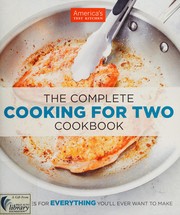
America's Test Kitchen's rigorously tested sous vide recipes (featured prominently here) reinforce correct temperatures through repetition across many ingredients, cementing the precision mindset for everyday cooking.
Going Deeper: Science-Backed Precision
IntermediateDevelop a thorough scientific understanding of how heat, time, texture, and safety interact so you can confidently adapt any recipe or troubleshoot results without relying on a chart.
▸ Study plan for this stage
Pace: 6–8 weeks, ~40–50 pages/day with 2–3 days per week for active experimentation and note-taking
- Protein denaturation and coagulation temperatures: how different proteins (collagen, myosin, actin) transform at specific thermal thresholds and why this matters for texture
- The Maillard reaction and browning: why sous vide requires finishing techniques and how temperature and time interact to develop flavor
- Thermal conductivity and heat penetration: how to calculate cooking times for different thicknesses and densities without relying on preset charts
- Water activity and food safety: the relationship between temperature, time, and pathogen elimination (pasteurization curves) for confident food safety decisions
- Carryover cooking and thermal equilibrium: understanding residual heat transfer and how to predict final doneness based on target core temperature
- Texture transformation through collagen-to-gelatin conversion: how low-temperature, long-duration cooking breaks down connective tissue differently than traditional methods
- Precision temperature control as a tool for reproducibility: how ±0.5°C accuracy enables consistent results across different proteins and cuts
- Explain why a 56°C water bath produces different results in a chicken breast versus a beef short rib, and what role collagen-to-gelatin conversion plays in each
- Given a 2-inch-thick salmon fillet, how would you estimate the time needed to reach thermal equilibrium at 48°C, and what factors would you adjust if the fish were frozen versus thawed?
- Describe the relationship between temperature, time, and pathogen safety for a pork shoulder cooked at 63°C. At what point can you confidently say it's safe to eat, and why?
- Why does sous vide-cooked steak require a finishing step (searing), and what chemical reactions occur during that sear that don't happen in the water bath?
- How would you troubleshoot a tough, rubbery chicken breast cooked at 65°C for 90 minutes, and what does this tell you about protein denaturation?
- Explain the concept of carryover cooking: if you remove a steak from a 54°C bath when its core reaches 50°C, what temperature will it reach after resting, and why?
- Cook three identical cuts of beef (ribeye or strip steak) at 50°C, 54°C, and 58°C for the same duration; document texture, color, and firmness; correlate findings to myosin and collagen denaturation temperatures from the text
- Prepare a collagen-rich cut (beef chuck, pork shoulder, or chicken thighs) at 65°C for 4, 8, 12, and 24 hours; taste and measure texture changes; map results to collagen-to-gelatin conversion timelines
- Conduct a searing experiment: cook a steak sous vide at 54°C, then sear it at different temperatures (high heat, medium heat, no sear); evaluate crust development and flavor; document which Maillard reactions occurred
- Design and execute a pasteurization safety test: cook ground chicken or pork at 63°C for varying durations (30 min, 1 hr, 2 hrs); research and document the time-temperature combinations that meet food safety standards
- Measure thermal penetration in three different proteins (fish, chicken, beef) of the same thickness at the same target temperature; use a calibrated thermometer to track time-to-equilibrium; calculate heat diffusivity and compare to text predictions
- Create a personal reference chart by cooking 5–6 different cuts/proteins at your preferred doneness level; document exact times, thicknesses, and starting temperatures; compare your empirical results to Keller's guidance and identify patterns
Next up: This stage equips you with the scientific reasoning to move beyond recipes and into creative adaptation—understanding *why* temperatures and times work allows you to confidently modify recipes for different cuts, thicknesses, and proteins, and to troubleshoot failures by diagnosing which thermal process went wrong.
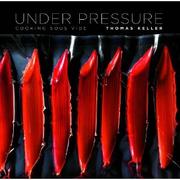
The landmark professional text on sous vide — reading it at this stage (after building home-cook intuition) lets you absorb its exacting temperature rationale and plating logic without being intimidated by its restaurant-level scope.
Mastery: Modernist Context and Creative Range
ExpertPlace sous vide within the broader landscape of modernist and scientific cooking, enabling you to invent your own time/temperature combinations, tackle advanced ingredients, and cook with true creative authority.
▸ Study plan for this stage
Pace: 8–10 weeks, ~40–50 pages/day (mix of dense technical sections and practical recipes; allow extra time for recipe testing and experimentation)
- The scientific principles underlying sous vide: precision temperature control, protein denaturation, enzymatic activity, and Maillard reactions in low-temperature cooking
- How modernist cuisine reframes traditional cooking techniques through physics and chemistry, enabling reproducibility and innovation
- Time/temperature relationships across protein types (meat, fish, eggs, vegetables) and how to predict outcomes beyond standard recipes
- The role of precision in flavor development: how sous vide isolates variables to enhance specific taste and texture outcomes
- Advanced ingredient applications: foams, gels, spheres, and other modernist techniques that complement sous vide cooking
- How to design your own cooking protocols by understanding ingredient composition, desired outcomes, and the science of heat transfer
- The relationship between sous vide and finishing techniques (searing, torching, broiling) to achieve complete sensory experiences
- Critical evaluation of modernist techniques: when to apply them for genuine improvement versus novelty
- Explain how protein denaturation occurs at different temperatures and why sous vide's precision allows you to target specific textural outcomes (e.g., medium-rare edge-to-edge vs. traditional gradient cooking)
- Design a time/temperature combination for an ingredient not explicitly covered in the books (e.g., a specific cut of game, a delicate fish, or a vegetable) and justify your choices using the scientific principles from both texts
- How do modernist techniques like spherification or gelification complement sous vide cooking, and when would you choose to combine them?
- Describe the role of the Maillard reaction in sous vide cooking and explain why finishing techniques are essential to achieving restaurant-quality results
- What are the limitations of sous vide and modernist cooking approaches, and how do you decide when traditional methods are more appropriate?
- How does understanding the chemistry of your ingredients (water content, fat composition, protein structure) enable you to innovate beyond published recipes?
- Work through 3–4 core recipes from Modernist Cuisine at Home, documenting texture, flavor, and appearance at each stage; compare results to traditional versions and analyze the differences through the lens of the science explained in the text
- Design and execute 2–3 original sous vide protocols for ingredients of your choice (e.g., a specific cut of beef, a type of fish, or a vegetable). Record time, temperature, and sensory outcomes; iterate based on results and scientific reasoning
- Conduct a controlled experiment varying one parameter (e.g., time or temperature) while holding others constant for a single ingredient; document how the change affects texture, flavor, and appearance
- Create a modernist dish that combines sous vide cooking with at least one advanced technique (foam, gel, sphere, or emulsion) from The Kitchen as Laboratory; document the rationale and execution
- Reverse-engineer a restaurant sous vide dish by researching its likely time/temperature combination and attempting to recreate it; compare your result to the original and refine your approach
- Build a personal reference guide mapping time/temperature combinations for 8–10 proteins and vegetables you cook regularly, with notes on texture outcomes and finishing techniques that work best
Next up: This stage equips you with the scientific foundation and creative confidence to cook with true authority, positioning you to either specialize deeply in modernist techniques, teach others, or integrate sous vide seamlessly into a personal cooking philosophy that blends tradition and innovation.
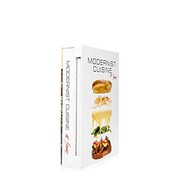
This is the definitive scientific treatment of modern cooking techniques including sous vide, written for serious home cooks. It consolidates everything learned so far into a rigorous, evidence-based framework and opens the door to true experimentation.

A collection of peer-reviewed culinary science essays that deepens understanding of heat transfer, protein denaturation, and texture — giving you the scientific literacy to design your own sous vide parameters from first principles.
Discussion
Keep reading
Paths that share books, cover the same subject, or open a related topic.