Subjects / Molecular gastronomy
Best books to learn Molecular gastronomy, in order
Modernist technique fails randomly unless you understand the chemistry underneath — why this pH breaks spherification, why that gel weeps. Start with the food science: what heat, acids, and hydrocolloids actually do. Then the technique canon — spheres, foams, gels, sous vide — with the precision the methods demand, then the creative work of composing dishes rather than copying them. Science first, or you're troubleshooting blind.
Reading paths for molecular gastronomy
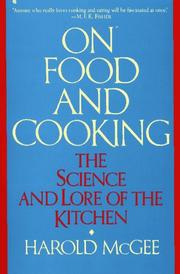
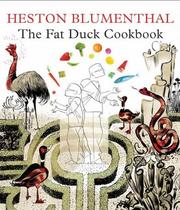
Best books on molecular gastronomy and modernist cooking
Beginner7books162 hrs3 stages
Popular molecular gastronomy books


Related reading
Frequently asked questions
- How should I approach learning molecular gastronomy?
- Modernist technique fails randomly unless you understand the chemistry underneath — why this pH breaks spherification, why that gel weeps. Start with the food science: what heat, acids, and hydrocolloids actually do. Then the technique canon — spheres, foams, gels, sous vide — with the precision the methods demand, then the creative work of composing dishes rather than copying them. Science first, or you're troubleshooting blind.
- What's a good book to start molecular gastronomy with?
- A strong starting point is The kitchen as laboratory by César Vega. The ordered reading paths above show exactly where it fits and what to read next.
- What should I read after molecular gastronomy?
- Once you have the fundamentals, explore closely related subjects like Egyptian cooking, Hawaiian cooking, Georgian cuisine of the Caucasus.