Best Lebanese Cookbooks to Learn the Cuisine
This curriculum takes you from the essential flavors and pantry of Lebanese cooking all the way to mastering a full Levantine table — mezze spreads, kibbeh, grilled meats, breads, and pickles. Each stage builds on the last: you first develop intuition for core ingredients and techniques, then go deep on specific pillars of the cuisine, and finally synthesize everything into ambitious, restaurant-quality feasts.
Foundations: The Lebanese Pantry & Soul
BeginnerUnderstand the essential ingredients, flavor principles, and foundational recipes — hummus, baba ghanouj, tabbouleh, fattoush — that define Lebanese cooking and appear in every subsequent book.
▸ Study plan for this stage
Pace: 4–5 weeks, ~25–30 pages/day, with 2–3 days per week dedicated to hands-on cooking
- The role of olive oil, lemon, and garlic as the holy trinity of Lebanese flavor
- How to build depth through layering spices (sumac, za'atar, cumin, coriander) rather than heat
- The cultural and historical significance of foundational mezze dishes (hummus, baba ghanouj, tabbouleh, fattoush) as expressions of Lebanese identity
- Techniques for selecting, storing, and preparing fresh vegetables and legumes that form the backbone of Lebanese cooking
- The balance between simplicity and sophistication in Lebanese cuisine—how minimal ingredients create maximum flavor
- The role of bread (pita, flatbread) as both a vehicle and a structural element in Lebanese meals
- How seasonal availability and preservation methods (pickling, drying) shape traditional Lebanese pantry staples
- What are the three core flavor elements that appear repeatedly across Lebanese dishes, and why are they foundational?
- How do Lebanese cooks build complexity in dishes without relying on heat or heavy spices?
- What is the cultural significance of the four foundational mezze dishes (hummus, baba ghanouj, tabbouleh, fattoush), and what do they reveal about Lebanese cooking philosophy?
- What are the essential pantry staples you need to stock to cook Lebanese food authentically, and how should they be stored?
- How do you select, prepare, and cook dried chickpeas and other legumes from scratch, and why does this matter for authentic flavor?
- What techniques does Khan use to explain the connection between ingredient quality, technique, and the final dish?
- Make hummus from dried chickpeas (not canned) at least twice, adjusting tahini and lemon ratios each time to understand how these ingredients shift the dish
- Prepare baba ghanouj using both stovetop and oven methods; compare texture, smokiness, and flavor to understand how technique shapes the final dish
- Create a tabbouleh using the correct ratio of herbs to bulgur (herbs should dominate); taste how the balance changes the dish's character
- Assemble a fattoush salad with homemade pita chips, focusing on the interplay between crispy bread, fresh vegetables, and acidic dressing
- Build a Lebanese pantry by sourcing high-quality olive oil, sumac, za'atar, pomegranate molasses, and tahini; taste each ingredient on its own to understand its flavor profile
- Cook a simple meal using only 4–5 ingredients from Khan's recipes (e.g., olive oil, lemon, garlic, chickpeas, parsley) to internalize how Lebanese cooking achieves flavor through restraint
Next up: This stage establishes the flavor vocabulary and ingredient mastery you'll need to understand how Lebanese cooks build upon these foundations in regional variations, seasonal cooking, and more complex composed dishes in subsequent stages.

Focuses on the Levantine table with clear, narrative-driven recipes that explain the 'why' behind each dish. Reading it second cements foundational techniques and introduces the broader regional context of Lebanese cuisine.
Mezze Mastery: Dips, Spreads & Small Plates
BeginnerMaster the art of the mezze table — hummus in all its forms, muhammara, labneh, fattoush, kibbeh nayeh — and understand how to compose and balance a spread of small plates.
▸ Study plan for this stage
Pace: 4–5 weeks, ~40 pages/day, with 2–3 cooking sessions per week
- The philosophy of vegetable-forward cooking and how mezze celebrates seasonal produce as the star ingredient
- Core mezze building blocks: hummus variations (classic, roasted garlic, spiced), muhammara, labneh, and their flavor profiles and techniques
- The balance and composition of a mezze table—layering flavors, textures, and colors to create a harmonious spread
- Technique fundamentals: proper blending and emulsification for dips, yogurt straining for labneh, toasting spices for depth
- How bread, oils, and garnishes (pomegranate, pine nuts, herbs) elevate simple components into sophisticated small plates
- The cultural and social context of mezze as a shared, communal eating experience that informs plating and presentation
- What are the key differences between hummus, muhammara, and labneh, and how do their flavor profiles and textures complement each other on a mezze table?
- How do you achieve the ideal consistency and silkiness in hummus, and what role does tahini, lemon, and garlic play in balancing the dip?
- What techniques does Ottolenghi use to build depth of flavor in vegetable-based dips and spreads, and how can you apply these to variations?
- How do you compose a balanced mezze spread that works visually and gastronomically—considering color, texture, temperature, and flavor intensity?
- What is labneh, how is it made, and what are three different ways to serve and garnish it?
- How do bread, oils, and garnishes function as more than just accompaniments—what role do they play in the overall mezze experience?
- Make classic hummus from scratch, then create two variations (roasted garlic and spiced cumin) side-by-side to understand how ingredient swaps shift flavor and texture
- Prepare labneh from Greek yogurt by straining overnight, then serve three different ways: with za'atar and olive oil, with herbs and pomegranate, and as a base for a savory spread
- Blend and taste muhammara, paying attention to the balance of roasted red peppers, walnuts, pomegranate molasses, and spices—adjust seasoning to find your preferred balance
- Compose and photograph a complete mezze table for 4–6 people using at least 3 dips/spreads, fresh vegetables, bread, and garnishes; reflect on visual balance and flavor progression
- Toast and grind whole spices (cumin, coriander, sumac) and use them to garnish your dips; compare the flavor intensity and aroma to pre-ground versions
- Host a small mezze tasting with friends or family, observing how the spread is eaten, shared, and discussed—note which components people gravitate toward and why
Next up: This stage establishes your foundation in the essential techniques, flavor balances, and cultural philosophy of Lebanese mezze, preparing you to explore more complex small plates, grilled and cooked preparations, and how to build entire meals around the mezze concept in the next stage.

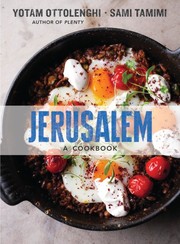
Though not exclusively Lebanese, this landmark book trains the eye and palate for the vegetable-forward, herb-rich, dip-centric style central to mezze. Its techniques for roasting, puréeing, and layering flavors are directly transferable.
The Heart of the Table: Kibbeh, Grilled Meats & Breads
IntermediateConfidently prepare kibbeh in its many forms (raw, baked, fried, in broth), master the spice blends and techniques behind Lebanese grilled meats (kafta, shish tawook, lamb chops), and bake essential flatbreads.
▸ Study plan for this stage
Pace: 4–5 weeks, ~40–50 pages/day, with 2–3 cooking sessions per week
- The structure and regional variations of kibbeh (raw, baked, fried, and in broth) and how meat-to-bulgur ratios and spice blends define each form
- The essential spice blends of Lebanese cuisine (baharat, za'atar, sumac) and how to balance them for depth and brightness
- Kafta, shish tawook, and lamb chops: the marinades, grilling techniques, and meat selection that create authentic flavor and texture
- The role of flatbreads (pita, markook, saj bread) in Lebanese meals and how to achieve proper fermentation, lamination, and char
- How kibbeh and grilled meats function as centerpieces in Lebanese hospitality and table culture, as explored in Helou's narrative framework
- What are the key differences between raw kibbeh (kibbeh nayye), baked kibbeh, fried kibbeh, and kibbeh in broth, and how do meat-to-bulgur ratios and spice blends differ across these forms?
- How do you build and balance the core Lebanese spice blends (baharat, za'atar, sumac) and what role does each play in seasoning kibbeh and grilled meats?
- What marinades, grilling temperatures, and resting techniques are essential for kafta, shish tawook, and lamb chops to achieve authentic flavor and proper doneness?
- How do you make and cook flatbreads (pita, markook, saj) from scratch, including fermentation times, lamination methods, and the correct heat source for charring?
- Why are kibbeh and grilled meats central to Lebanese hospitality, and how does Helou's writing illuminate the cultural and social significance of these dishes?
- Make kibbeh nayye (raw kibbeh) at least twice, tasting and adjusting the meat-to-bulgur ratio, spice balance, and texture until you achieve the silky, cohesive consistency Helou describes
- Prepare kibbeh in at least three different forms (baked, fried, and in broth) in separate sessions, documenting how the cooking method changes flavor, texture, and presentation
- Create a spice-blending station: mix and taste your own baharat, za'atar, and sumac blends, comparing homemade versions to store-bought and noting how freshness affects the final dishes
- Grill kafta, shish tawook, and lamb chops in one session, experimenting with different marinades and grilling times; taste and compare the results to identify your preferred techniques
- Bake flatbreads (pita and markook) from scratch, practicing fermentation timing and lamination until you can produce bread with proper rise, char, and interior pocket or layers
- Host a small Lebanese meal centered on kibbeh or grilled meats, using Helou's writing as inspiration to reflect on how these dishes create connection and hospitality at the table
Next up: This stage anchors you in the foundational proteins and breads that define Lebanese home cooking, preparing you to explore how these elements combine with mezze, vegetable dishes, and preserved ingredients to create complete, balanced meals in the next stage.

Expands on celebratory and feast-day cooking across the Levant, including whole-roasted meats, stuffed dishes, and elaborate kibbeh. Reading Helou's second major work here deepens mastery of the techniques introduced in her first.
Pickles, Preserves & the Larder
IntermediateBuild a fully stocked Lebanese larder — pickled turnips, torshi, preserved lemons, pomegranate molasses, dried herbs — and understand how these condiments underpin and elevate every dish on the table.
▸ Study plan for this stage
Pace: 4–5 weeks, ~25–30 pages/day, with 2–3 days per week dedicated to hands-on preservation projects
- The philosophy of Palestinian/Levantine cooking: how preserves and pickles are not garnishes but foundational elements that define flavor and seasonality
- Fermentation and pickling techniques: salt ratios, vinegar selection, and timing for vegetables like turnips, eggplant, and mixed torshi
- Preserved lemons (hamra) and pomegranate molasses (dibs al-rumman): how to make them from scratch and why they're essential to the larder
- Dried herbs and spice blends: za'atar, sumac, and other dried aromatics that anchor Lebanese dishes year-round
- The larder as a living system: how to organize, store, and rotate preserved items for maximum flavor and shelf stability
- Recipe adaptation through preservation: understanding how pickles and condiments transform simple ingredients into complex, layered dishes
- Seasonal eating and food preservation as cultural practice: connecting preservation techniques to Palestinian/Levantine food traditions and resourcefulness
- What are the key differences between torshi, pickled turnips, and other fermented vegetables in Falastin, and how do their flavor profiles differ?
- How do preserved lemons and pomegranate molasses function in Lebanese cooking—what dishes rely on them, and how would those dishes change without them?
- What are the correct salt-to-vegetable ratios and fermentation timelines for making pickled turnips and mixed torshi at home?
- How does Sami Tamimi's approach to the larder reflect Palestinian food culture and the role of preservation in seasonal, resourceful cooking?
- What dried herbs and spice blends are essential to a Lebanese larder, and how do you use them to build flavor in everyday dishes?
- How do you store and maintain preserved items to ensure they stay fresh and flavorful for months?
- Make a batch of pickled turnips (torshi lift) following Falastin's recipe; document the fermentation process over 2–3 weeks and taste at different stages
- Prepare preserved lemons (hamra) from scratch and keep a tasting journal as they cure; use them in at least two dishes from the book
- Create a pomegranate molasses reduction from pomegranate juice and sugar; compare homemade vs. store-bought versions in a simple dish
- Assemble a dried herb and spice collection (za'atar, sumac, dried mint, etc.) and make a detailed larder inventory with storage notes
- Make a batch of mixed torshi (pickled vegetables) using at least 3–4 vegetables; experiment with vinegar types and spice additions
- Cook 3–4 recipes from Falastin that heavily feature pickles or preserved condiments; identify how the preserves change the dish's flavor profile
- Set up a home larder system: organize jars, label with dates, and create a rotation schedule to track what you've made and when it will be ready to use
Next up: This stage transforms you from a passive consumer of Lebanese flavors into an active preserver and larder-keeper, giving you the foundational condiments and techniques needed to cook with authentic depth in the next stage, where you'll build complete, multi-component meals that rely on these preserved elements.

Sami Tamimi's Palestinian cookbook shares deep roots with Lebanese cuisine and is the best modern guide to pickling, preserving, and condiment-making in the Levantine tradition, with clear, tested recipes and beautiful context.
The Full Levantine Table: Synthesis & Celebration
ExpertCompose and execute a complete, ambitious Lebanese feast — from mezze through mains to sweets — with the confidence of a practiced cook who understands the history, culture, and regional nuance behind every dish.
▸ Study plan for this stage
Pace: 8–10 weeks, ~25–30 pages/day, with 2–3 cooking projects per week interspersed throughout
- The historical and cultural foundations of Levantine cuisine: how geography, trade routes, and religious traditions shaped the food of Lebanon, Syria, Palestine, and Jordan
- The art of the mezze table as a social and culinary philosophy—balance, variety, and the principle of sharing as central to Levantine dining
- Regional variations within the Levantine world: understanding how coastal, mountain, and desert communities developed distinct flavor profiles and techniques
- The role of spices, citrus, and olive oil as the holy trinity of Levantine cooking—how to select, combine, and layer them for depth
- Seasonal and ingredient-driven cooking: how Levantine cooks work with what's available rather than against it, and the cultural significance of seasonal dishes
- Technique mastery for advanced dishes: phyllo work, slow-braising, fermentation, and the precision required for sweets like baklava and ma'amoul
- The narrative of a complete feast: how to compose a menu that honors tradition while reflecting personal taste and available ingredients
- The intersection of home cooking and restaurant technique: understanding when to simplify and when to invest in complexity
- How did the Levantine region's geography and history of trade create the distinctive flavor profile we recognize today, and what role did the Ottoman Empire play in shaping these traditions?
- What makes the mezze table more than just 'appetizers'—how does it function as a complete meal and a reflection of Levantine values?
- How do the cuisines of coastal Lebanon, the Bekaa Valley, and the Palestinian territories differ, and what ingredients or techniques distinguish each region?
- Explain the relationship between citrus, olive oil, and spices in Levantine cooking: why are these three elements foundational, and how do you balance them in a single dish?
- How would you compose a complete Lebanese feast for 8–10 people, and what would guide your choices about which dishes to include and in what order?
- What are the key differences in technique and approach between making phyllo-based sweets at home versus in a professional kitchen, and when is each appropriate?
- Read 'Arabesque' in full, taking detailed notes on Claudia Roden's historical narratives and the cultural context she provides for each dish family (mezze, grains, vegetables, meat, fish, sweets)
- Prepare a 'Roden-inspired' mezze table for 6–8 people using at least 10 dishes from 'Arabesque'—include both cooked and raw elements, and document how you balanced flavors, colors, and textures
- Read 'Saffron in the Souks' in full, paying special attention to John Gregory Smith's descriptions of regional variations and the stories behind specific dishes
- Execute 3–4 technically demanding recipes from both books (e.g., hand-rolled phyllo, slow-braised lamb, fermented vegetables, or intricate sweets) and document your process, challenges, and refinements
- Compose and execute a complete, multi-course Lebanese feast (mezze → mains → sweets) for 8–10 guests, with a written menu that explains your choices and the cultural/historical reasoning behind each dish
- Create a personal 'Levantine flavor profile' guide: document your understanding of how to build depth with citrus, olive oil, and spices through side-by-side tastings and experiments with 5–6 signature dishes
Next up: This stage culminates in the ability to compose and execute an ambitious, culturally grounded Lebanese feast with confidence; the next stage would deepen mastery through either regional specialization (e.g., Palestinian or Syrian cuisine in depth), contemporary reinterpretation of classical dishes, or the teaching and documentation of these traditions for others.
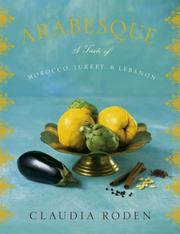
Claudia Roden's magisterial survey of Moroccan, Turkish, and Lebanese cuisines places Lebanese cooking in its full historical and cultural context. Reading this at the advanced stage transforms a skilled cook into a truly informed one.

A vivid, modern tour of Lebanese street food, souk culture, and celebratory cooking that ties together everything learned — mezze, grills, breads, pickles — into the experience of a full, living Lebanese table.
Discussion
Keep reading
Paths that share books, cover the same subject, or open a related topic.