The Best Books on West African Cooking
This curriculum starts at the intermediate level, assuming the learner already has solid kitchen fundamentals, and builds from a broad survey of West African flavors and techniques into country-specific deep dives and finally into the cultural and historical context that makes the cuisine fully legible. Each stage equips the cook with the vocabulary, pantry knowledge, and technique needed to tackle the more specialized books that follow.
The West African Table: Foundations & Flavor Logic
IntermediateBuild a working pantry of West African staples — fermented locust beans, palm oil, dried fish, scotch bonnets — and understand the flavor architecture (base stews, one-pot logic, spice blends) that underpins the whole region.
▸ Study plan for this stage
Pace: 4–5 weeks, ~25–30 pages/day, with 2–3 cooking sessions per week
- The role of fermented locust beans (dawadawa) as a umami anchor and how to identify it across Ghanaian dishes
- Palm oil as the signature fat: its flavor profile, smoke point, and why it cannot be substituted without changing the dish fundamentally
- Dried fish and seafood (anchovies, stockfish) as layered flavor builders rather than primary proteins
- The base stew logic: how onion, tomato, and spice foundations create the backbone for countless variations
- One-pot cooking as a philosophy: efficiency, flavor development through layering, and the cultural logic behind it
- Scotch bonnets and other chiles: heat as one element in a complex flavor balance, not the dominant note
- Spice blends and aromatics (ginger, garlic, bay leaves, cloves) and their specific roles in Ghanaian flavor architecture
- The relationship between ingredients and technique: how ingredient quality and preparation method shape final flavor
- Why is palm oil irreplaceable in West African cooking, and what happens to a dish like jollof rice or light soup if you substitute it with another fat?
- What is the flavor function of fermented locust beans (dawadawa) in a stew, and how would you know if you're using the right amount?
- Describe the base stew logic Adjonyoh presents: what are the foundational steps, and why does this method appear across multiple recipes?
- How do dried fish and seafood contribute to flavor in one-pot dishes, and why are they often used in combination rather than alone?
- What role do scotch bonnets play in Ghanaian cooking beyond heat, and how do you balance them with other flavors?
- Explain the one-pot cooking philosophy: what are its practical and cultural advantages, and how does it shape ingredient choices?
- Source and taste-test three types of palm oil (red, refined, and ideally one from a West African market) side-by-side; note color, aroma, and smoke point differences
- Make a simple base stew (onion, tomato, spices) without any protein, tasting it at each stage to understand how flavors build and why this foundation matters
- Prepare fermented locust beans (dawadawa) three ways: raw/whole, ground into a paste, and dissolved in warm water; taste each form and note how texture and intensity change
- Cook two versions of the same one-pot dish (e.g., light soup or jollof rice)—one following Adjonyoh's method exactly, one with a substitution (different fat, omitted ingredient); compare and document the differences
- Make a spice blend (ginger, garlic, scotch bonnets, bay leaves, cloves) as Adjonyoh describes it, then taste it in isolation and in a finished dish to understand how individual elements contribute
- Prepare dried fish or stockfish according to Adjonyoh's instructions (soaking, cleaning, breaking into pieces) and taste it at each stage to understand how preparation unlocks flavor
Next up: This stage gives you the ingredient vocabulary and flavor logic to recognize and execute the core Ghanaian dishes; the next stage will deepen your repertoire by exploring regional variations, seasonal cooking, and how to adapt these foundations to different proteins and occasions.

Focuses on Ghanaian cooking — groundnut soup, kelewele, jollof — with clear technique explanations that solidify the foundational stew-building and spice-blending skills needed for later, more demanding books.
Senegal, the Diaspora & the Broader West
IntermediateExpand beyond the Anglophone West African canon into Senegalese and Francophone cooking — thiéboudienne, yassa, mafé — and understand how the diaspora has reinterpreted these dishes globally.
▸ Study plan for this stage
Pace: 4–5 weeks, ~25–30 pages/day with 2–3 cooking sessions per week
- Thiéboudienne as the national dish of Senegal: history, regional variations, and technique
- Yassa's role in Senegalese home cooking and its adaptation across the diaspora
- Mafé (peanut sauce) as a foundational technique connecting West African cuisines
- Pierre Thiam's philosophy of ingredient sourcing and respecting traditional methods while cooking in diaspora contexts
- The relationship between Senegalese geography, agriculture, and flavor profiles (rice, fish, peanuts, okra)
- How colonial and postcolonial history shaped Senegalese Francophone cuisine
- Diaspora reinterpretation: how Senegalese dishes evolved in Caribbean, American, and European contexts
- The role of family, memory, and cultural identity in transmitting Senegalese culinary knowledge
- What is thiéboudienne and why is it considered the national dish of Senegal? What are the key regional variations Thiam discusses?
- How does yassa differ from other Senegalese sauces, and what makes it particularly adaptable to diaspora cooking?
- Explain the technique and cultural significance of mafé. How does Thiam approach making it with authentic ingredients versus substitutions?
- What is Pierre Thiam's philosophy on ingredient sourcing and authenticity when cooking Senegalese food outside of Senegal?
- How have Senegalese dishes like thiéboudienne and yassa been reinterpreted in diaspora communities, and what does Thiam say about these adaptations?
- What role does Senegalese geography and agriculture play in shaping the flavors and techniques Thiam emphasizes in his cooking?
- Cook thiéboudienne following Thiam's recipe, then research and prepare a regional variation (e.g., from Casamance or Saint-Louis) to understand how geography influences the dish
- Prepare yassa with chicken and yassa with fish on separate occasions; compare the flavor profiles and note how the sauce adapts to different proteins
- Make mafé from scratch using whole peanuts or natural peanut butter; experiment with one substitution (e.g., different protein or vegetable) and document how it changes the dish
- Source ingredients as Thiam recommends: locate West African markets or online suppliers for authentic items (fermented fish, specific rice varieties, palm oil); cook one dish using these versus supermarket substitutes and taste-test the difference
- Interview a family member or community member with Senegalese or West African heritage about their version of one of these dishes; document how their preparation differs from Thiam's and discuss what those differences reveal about diaspora adaptation
- Create a tasting menu featuring thiéboudienne, yassa, and mafé for friends or family; write reflections on how these dishes tell a story about Senegalese culture and diaspora
Next up: This stage grounds you in the depth and philosophy of one culinary tradition—Senegalese cooking through Thiam's lens—preparing you to compare how other West African nations and diaspora communities have developed their own signature dishes and cooking philosophies in subsequent stages.

Pierre Thiam is the foremost authority on Senegalese cuisine in English; this book introduces thiéboudienne, yassa, and mafé with cultural depth and clear technique, filling a major regional gap.
Culture, History & the African Culinary Diaspora
ExpertUnderstand West African cooking not just as technique but as living history — its roots in the transatlantic slave trade, its influence on Southern American and Caribbean food, and its place in global culinary culture.
▸ Study plan for this stage
Pace: 8–10 weeks, ~40–50 pages/day, with 1–2 days per week for reflection and note-taking
- The transatlantic slave trade as the foundational force shaping West African foodways and their diaspora across the Americas
- Food as a vehicle for cultural memory, resistance, and identity preservation among enslaved and formerly enslaved African peoples
- The agricultural and culinary connections between West Africa, the American South, and the Caribbean—crops, techniques, and flavor profiles
- How West African cooking practices were adapted, transformed, and sometimes erased in colonial and post-colonial contexts
- The role of women, particularly enslaved and free Black women, as custodians and innovators of African diasporic cuisine
- The global recognition and reclamation of West African and African diasporic food as legitimate culinary traditions worthy of scholarly and cultural attention
- Specific West African ingredients, cooking methods, and signature dishes and their presence in contemporary American and Caribbean kitchens
- The intersection of food history, social history, and the ongoing fight for cultural acknowledgment and economic justice in food systems
- How did the transatlantic slave trade directly shape the ingredients, techniques, and flavor profiles of West African diaspora cooking in the Americas?
- What specific West African crops, proteins, and cooking methods appear in Southern American and Caribbean cuisines, and what does their presence tell us about cultural continuity and adaptation?
- How did enslaved and free Black cooks use food as a form of cultural resistance, memory-keeping, and identity assertion?
- What role did women play in preserving, adapting, and transmitting West African culinary traditions across generations and geographies?
- How has the scholarship and celebration of West African and African diasporic cuisine changed over time, and what does this reveal about broader patterns of cultural erasure and reclamation?
- How can understanding West African cooking as history—rather than just technique—change the way we think about food, power, and belonging?
- Create a 'diaspora map' tracing 3–5 specific ingredients or dishes from West Africa through the Caribbean and American South, documenting how they changed, what names they took on, and what cultural meanings shifted
- Cook 2–3 recipes from *The Africa Cookbook* and 2–3 from *High on the Hog*, then write a reflection on what you notice about technique, flavor, and the emotional or cultural resonance of each dish
- Interview an elder or family member about a dish that holds cultural or family significance, then research its historical roots using Harris's frameworks—document the conversation and your findings
- Compile an annotated bibliography of 5–8 sources (from the books' citations or your own research) on a specific aspect of West African diaspora food (e.g., okra, rice cultivation, women's culinary labor) and write a 2–3 page synthesis
- Visit a West African, Southern American, or Caribbean restaurant or market; document what you observe about ingredients, preparation, and the stories told (or not told) about the food's origins
- Create a visual timeline or poster showing the journey of one West African culinary tradition across 300+ years, incorporating quotes from Harris and your own analysis of how and why it transformed
Next up: This stage establishes West African cooking as a historically grounded, politically conscious culinary tradition; the next stage will likely deepen your ability to execute these traditions with technical mastery, regional specificity, and the confidence to teach or write about them authoritatively.
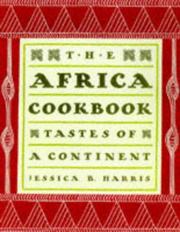
Harris is the definitive scholar of the African culinary diaspora; this sweeping survey of the entire continent places West African cooking in its broadest historical and geographical context, essential for deep understanding.
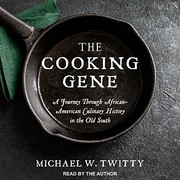
Traces how West African ingredients and techniques — okra, black-eyed peas, rice culture — traveled through the Middle Passage to shape American food, completing the learner's picture of why this cuisine matters globally.
Discussion
Keep reading
Paths that share books, cover the same subject, or open a related topic.