Middle Eastern cooking: the best books to bring the flavors home
This curriculum takes you from the essential flavors and techniques of Middle Eastern cooking all the way through regional deep-dives into mezze, breads, spices, and classic dishes from the Levant and beyond. Each stage builds on the last — first establishing a confident pantry and palate, then exploring specific traditions and ingredients, and finally reaching the level of a well-traveled, nuanced home cook who understands the "why" behind every dish.
Foundations: The Middle Eastern Pantry & Palate
BeginnerBuild a confident understanding of core Middle Eastern ingredients, flavor profiles, and essential techniques — enough to cook a full mezze spread and classic dishes with ease.
▸ Study plan for this stage
Pace: 4–5 weeks, ~40–50 pages/day. Start with "Jerusalem" (300 pages, ~2 weeks), then move to "Zaitoun" (280 pages, ~2–3 weeks). Intersperse cooking projects weekly to reinforce learning.
- Core Middle Eastern pantry staples: olive oil, tahini, pomegranate molasses, sumac, za'atar, spices (cumin, coriander, cinnamon), dried fruits, and nuts as flavor anchors
- The interplay of sweet, sour, savory, and bitter flavors—how Ottolenghi and Khan layer these to create complexity and balance
- Essential techniques: toasting spices, making fresh tahini-based sauces, charring vegetables, and building layered dips and spreads
- Regional and seasonal variation: how Palestinian, Israeli, and Levantine cuisines share techniques but differ in ingredient emphasis and cultural context
- The role of bread, grains, and legumes as the foundation of mezze culture and everyday eating
- How to taste and adjust seasoning using acid (lemon, vinegar), salt, and spice to achieve the characteristic brightness of Middle Eastern food
- Vegetable-forward cooking: maximizing flavor from eggplant, tomatoes, peppers, and leafy greens through technique rather than heavy fats
- What are the five essential pantry ingredients you'd buy first to cook Middle Eastern food, and why does each matter?
- How do pomegranate molasses and sumac function differently in a dish, and when would you use one over the other?
- Describe the flavor profile of a classic mezze spread: what balance of sweet, sour, savory, and bitter should you aim for?
- What is the difference between Palestinian and Israeli approaches to similar dishes (e.g., hummus, salads), as presented in these books?
- How do you build a tahini sauce from scratch, and what are the key adjustments (acid, water, garlic) that make it work?
- Why is toasting whole spices before grinding important, and how does it change the final dish?
- Make hummus from scratch three times, varying the tahini-to-chickpea ratio and acid level each time; taste and note how each adjustment changes the texture and brightness.
- Toast and grind whole cumin, coriander, and fennel seeds; smell them at each stage and cook a simple lentil or vegetable dish with each batch to taste the difference.
- Prepare a full mezze spread (hummus, baba ganoush, muhammara, tabbouleh, fresh vegetables, bread) using recipes from both books; photograph and compare your versions to the book images.
- Make a batch of za'atar from individual components (sumac, thyme, sesame) and use it to season roasted vegetables, labneh, and flatbread; adjust the ratio to suit your taste.
- Cook three vegetable-forward dishes from 'Jerusalem' (e.g., charred eggplant, roasted tomatoes, braised greens) and three from 'Zaitoun' (e.g., Palestinian salads, stuffed vegetables); note the techniques and flavor differences.
- Create a pantry inventory checklist of 20–25 core Middle Eastern ingredients based on both books; source and taste each item (whole spices, dried fruits, oils, vinegars) to build familiarity.
Next up: This stage equips you with the ingredient knowledge, flavor intuition, and foundational techniques to confidently navigate Middle Eastern cooking; the next stage will deepen your skill by exploring regional specialties, more complex layered dishes, and the cultural and historical stories that animate the food.
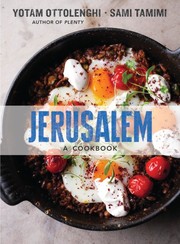
The perfect entry point: accessible, beautifully written, and rooted in real Levantine tradition. It introduces the key ingredients, spice combinations, and dish categories (salads, mezze, mains) that define the region's cooking.

Focuses specifically on Palestinian cuisine with warm storytelling and approachable recipes. Reading it after Jerusalem deepens your understanding of Levantine flavors and adds cultural context that makes the food come alive.
Mezze, Vegetables & the Shared Table
BeginnerMaster the art of the mezze table — dips, salads, stuffed vegetables, and small plates — and understand how vegetables are treated as the stars of Middle Eastern cooking.
▸ Study plan for this stage
Pace: 6–8 weeks, ~40–50 pages/day (alternating between reading and cooking). Allocate 3–4 weeks to "Plenty," then 3–4 weeks to "Falastin," with overlap for recipe testing.
- Vegetables as the protagonist: how Middle Eastern cooking elevates vegetables beyond side dishes through technique, spice, and presentation (core theme of 'Plenty')
- The mezze table as a social and culinary structure: understanding how small plates, dips, and shared dishes create community and flexibility in meals
- Foundational dips and spreads: mastering hummus, baba ganoush, muhammara, labneh, and their variations as building blocks of the mezze tradition
- Salads as vehicles for flavor: learning how Middle Eastern salads use herbs, citrus, pomegranate, and spices to create complex, refreshing dishes (tabbouleh, fattoush, Palestinian salads in 'Falastin')
- Stuffed vegetables and preservation: techniques for filling and cooking vegetables like peppers, tomatoes, and eggplant, and understanding preservation methods that extend seasons
- Palestinian and Levantine specificity: recognizing regional distinctions in 'Falastin' — how Palestinian cooking emphasizes seasonal produce, family recipes, and cultural identity
- Spice layering and balance: understanding how cumin, sumac, za'atar, pomegranate molasses, and chili are balanced to create depth without overwhelming vegetables
- Simplicity and quality ingredients: the principle that great Middle Eastern vegetable cooking relies on technique and restraint rather than complexity
- What are the key differences between how Ottolenghi treats vegetables in 'Plenty' versus how Tamimi approaches Palestinian produce in 'Falastin,' and what does each author emphasize about vegetable-forward cooking?
- Describe the structure and purpose of a mezze table. What types of dishes belong on it, and how do dips, salads, and stuffed vegetables work together to create a complete meal?
- How do you make a proper hummus, baba ganoush, and muhammara from scratch, and what are the critical differences in technique and ingredient ratios between them?
- What role do sumac, pomegranate molasses, and za'atar play in Middle Eastern vegetable dishes, and how do they differ from other souring or seasoning agents?
- Choose one stuffed vegetable recipe from either book and explain the filling technique, cooking method, and how it can be adapted for different vegetables.
- How does 'Falastin' use food to tell stories about Palestinian culture and identity, and what does this reveal about the relationship between vegetables, seasonality, and community?
- Cook your way through 'Plenty's' dip and spread chapter: make hummus, baba ganoush, muhammara, and labneh from scratch. Taste each one, note the differences, and experiment with one variation (different spice, herb, or technique) for each.
- Assemble and host a mezze table dinner for 4–6 people using recipes from both books. Include at least 2 dips, 3 salads, 2 stuffed or cooked vegetable dishes, and bread. Document what worked, what didn't, and how guests interacted with the spread.
- Master one salad recipe from 'Plenty' and one from 'Falastin' (e.g., a Ottolenghi beet salad and a Palestinian tomato salad). Make each three times, adjusting seasoning and technique until you can execute them without the recipe.
- Prepare a stuffed vegetable dish (peppers, tomatoes, or eggplant) from either book. Make it twice — once following the recipe exactly, then once with a variation (different grain, herb, or spice blend). Compare results.
- Create a pantry of Middle Eastern spices and condiments: sumac, pomegranate molasses, za'atar, Aleppo pepper, and quality olive oil. Use these to season a simple vegetable (roasted eggplant, cucumber, or tomato) five different ways, noting how each ingredient changes the dish.
- Read the introductions and headnotes in both books carefully and write a 1–2 page reflection on how Ottolenghi's approach to vegetables differs from Tamimi's, citing specific recipes or passages as evidence.
Next up: This stage grounds you in the foundational building blocks—dips, salads, and vegetable techniques—that will allow you to move forward into more complex preparations like grain dishes, meat-based mezze, and the full architecture of a Middle Eastern meal.

Ottolenghi's vegetable-forward masterpiece is essential for understanding how Middle Eastern cooks elevate humble produce with spice, acid, and texture — skills that underpin nearly every mezze dish.

A deeper, more technique-rich look at Palestinian cooking, including mezze classics like hummus, fattoush, and kibbeh. It builds directly on the vocabulary established in the first stage.
Spices, Breads & the Broader Region
IntermediateDevelop a sophisticated command of Middle Eastern spice blends and bread-making, and expand your repertoire beyond the Levant into Persian, Turkish, and North African traditions.
▸ Study plan for this stage
Pace: 8–10 weeks, ~40–50 pages/day with 2–3 cooking sessions per week. Allocate roughly 3 weeks per book with overlapping practice.
- The foundational spice blends of the Levant (za'atar, sumac, dukkah) and how they define regional identity in Arabesque
- How bread-making traditions in Lavash reflect cultural and geographic diversity across the Caucasus, Middle East, and Central Asia
- Persian flavor architecture: the use of dried fruits, pomegranate, and warm spices (cardamom, cinnamon, saffron) as demonstrated in Persiana
- The interplay between spice, bread, and technique across three distinct culinary traditions and how they inform each other
- Sourcing, storing, and toasting whole spices to maximize flavor—practical skills that underpin all three books
- How bread serves as both a vehicle for spices and a standalone element of meals across Middle Eastern and Persian cuisines
- The historical and cultural contexts that shaped these regional cuisines and their ingredient choices
- What are the three core spice blends covered in Arabesque, and how do they differ in composition and use?
- Describe the relationship between bread-making technique and cultural identity as presented in Lavash. What makes lavash distinct from other Middle Eastern breads?
- How does Persian cuisine, as shown in Persiana, use spices differently than Levantine cooking? Give specific examples of flavor profiles.
- What role do dried fruits and pomegranate play in Persian cooking, and how do they complement spice use?
- How would you source, toast, and store whole spices to maintain their potency across all three culinary traditions?
- Choose one bread from Lavash and one spice blend from Arabesque—explain how you would combine them in a meal inspired by Persiana's flavor logic.
- Make three spice blends from Arabesque (za'atar, sumac-based blend, and dukkah) from whole spices; toast, grind, and taste each one. Document flavor notes and storage methods.
- Bake at least two types of flatbread from Lavash (e.g., lavash and one other regional variety). Compare texture, rise, and how each holds toppings or dips.
- Prepare 3–4 recipes from Persiana that showcase different spice combinations (e.g., one with cardamom, one with saffron, one with cinnamon). Note how Persian spicing differs from Levantine approaches.
- Create a tasting menu that combines breads from Lavash with spice blends from Arabesque, using flavor logic from Persiana. Serve to others and document feedback.
- Source whole spices (cardamom pods, cinnamon sticks, cumin seeds, coriander seeds) from a specialty market; toast small batches and compare flavor intensity before and after toasting.
- Prepare one complete meal from each book in sequence, noting how your understanding of spices and breads deepens across the three traditions.
Next up: Mastering these three regional traditions and their distinct approaches to spice and bread equips you to synthesize these techniques and flavors into original recipes, and to explore how Middle Eastern cooking influences and intersects with Mediterranean, Indian, and contemporary fusion cuisines in advanced stages.
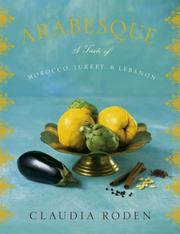
A landmark work by the foremost authority on Middle Eastern food. Roden covers Morocco, Turkey, and Lebanon in depth, broadening your regional map and introducing spice logic that goes far beyond za'atar and sumac.

A focused, authoritative guide to the flatbreads, grains, and baked goods of the South Caucasus and broader Middle East. After mastering mezze, understanding bread — the backbone of every meal — is the natural next step.

Introduces Persian cooking — saffron, pomegranate molasses, dried limes, and herb-heavy stews — rounding out your spice education and adding a distinct culinary tradition to your repertoire.
Deep Mastery: History, Technique & Classic Dishes
ExpertReach an expert-level understanding of the historical roots, regional variations, and advanced techniques behind Middle Eastern cuisine, and cook landmark dishes with full confidence and authenticity.
▸ Study plan for this stage
Pace: 8–10 weeks, ~40–50 pages/day, with 2–3 days per week dedicated to hands-on cooking practice
- Jewish diaspora food traditions and how migration shaped Middle Eastern Jewish cuisine across North Africa, the Levant, and beyond
- Regional and cultural variations in Middle Eastern cooking—understanding how geography, trade routes, and religious practices created distinct culinary identities
- The historical evolution of signature dishes and ingredient use (spices, grains, legumes, preserved foods) from ancient times through the modern era
- Advanced techniques specific to Middle Eastern cooking: slow-cooking methods, spice blending, bread-making, preservation, and layering of flavors
- The role of hospitality, family, and celebration in shaping Middle Eastern food culture and meal structures
- How to source, select, and work with authentic ingredients to achieve genuine flavor profiles
- The connection between land, climate, and available ingredients in determining regional culinary character
- How did Jewish communities across the Middle East and North Africa adapt their food traditions to local ingredients and customs, and what dishes emerged from this cultural exchange?
- What are the key regional variations in Middle Eastern cuisine (Levantine, Egyptian, North African, Persian-influenced), and what historical and geographical factors created these differences?
- How do advanced Middle Eastern cooking techniques—such as slow-cooking stews, tempering spices, and fermenting—differ from Western approaches, and why are they essential to authentic flavor?
- What role do preserved foods (dried fruits, pickled vegetables, preserved lemons, tahini) play in Middle Eastern cooking, and how do you use them to build depth in a dish?
- How can you identify and source authentic ingredients, and what substitutions are acceptable versus those that compromise authenticity?
- What is the historical significance of specific landmark dishes (e.g., shakshuka, tagines, mezze spreads), and how do you execute them with full technical confidence?
- Cook 3–4 complete recipes from 'The Book of Jewish Food' that represent different Jewish diaspora communities (e.g., one Moroccan, one Iraqi, one Levantine), documenting how ingredients and techniques vary by region
- Prepare a full mezze spread (8–10 items) from 'Feast', focusing on understanding how individual components work together as a cohesive meal and practicing proper seasoning and balance
- Master one slow-cooked stew or tagine from 'Feast' by making it twice with slight variations, adjusting spice levels and cooking times to understand how technique affects final flavor
- Source and taste 5–6 authentic Middle Eastern spices and aromatics (sumac, Aleppo pepper, za'atar, pomegranate molasses, etc.) individually, then blend your own spice mix for a specific dish
- Bake flatbreads and/or yeasted breads from both books, comparing techniques and understanding how dough handling and cooking method affect texture and flavor
- Conduct a 'preserved foods tasting': work with tahini, preserved lemons, dried apricots, and pickled vegetables across multiple recipes to understand how they function as flavor bridges and depth-builders
Next up: This stage establishes you as someone who understands not just *how* to cook Middle Eastern food, but *why* it tastes and functions the way it does—preparing you for the next stage, which will likely focus on either contemporary innovation within these traditions, fusion applications, or teaching others with authority and cultural sensitivity.
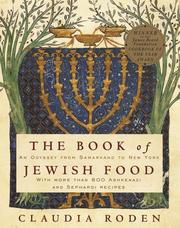
Roden's magnum opus traces the food of Jewish communities across the Middle East and Mediterranean over centuries, revealing how dishes traveled and evolved — essential reading for anyone who wants to truly understand the region's culinary history.

Helou is one of the world's leading authorities on Middle Eastern and Islamic food. This ambitious book covers the full arc of the cuisine — from street food to celebratory feasts — with the depth and rigor that rewards an already-experienced cook.
Discussion
Keep reading
Paths that share books, cover the same subject, or open a related topic.