Colombian food resists the single-cookbook treatment because the country's regions barely share a pantry. The Caribbean coast cooks with coconut, plantain and seafood; the Andean interior produces the potato-and-corn dishes most outsiders think of as Colombian; the Pacific coast has its own African-descended tradition; and the Llanos are cattle country. A cookbook that flattens all of that into fifty national recipes teaches you less than one that keeps the regions apart.
The reading order below moves from a solid traditional foundation, out to the wider Latin American context that explains where Colombian dishes sit, down into the corn technique that underlies the staples, and finally to the modern reinvention that is currently redefining the cuisine.
The traditional foundation
Start with Secrets of Colombian cooking by Patricia McCausland-Gallo. It is the reliable, unglamorous reference: ajiaco, sancocho, bandeja paisa, empanadas, arepas, the sofrito base, and the aji condiments, with clear instructions and honest notes on ingredient substitutes outside Colombia. Cook a dozen dishes from it before you go anywhere else.
Place it in context
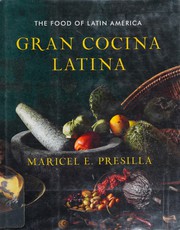
Then Gran cocina latina by Maricel Presilla, the encyclopedic survey of Latin American cooking. It is not a Colombian book, but its regional chapters are the best way to see how Colombian dishes relate to their neighbours — which techniques are shared across the Andes, which came with the African diaspora to the coasts, which are Spanish inheritances. Presilla is a scholar as well as a cook, and the historical material is substantial.
The corn underneath
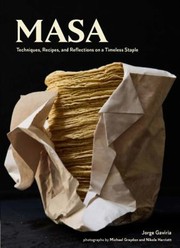
On Masa by Jorge Gaviria is about nixtamalized corn — the process, the varieties, and why industrial masa flour tastes flat by comparison. Arepas are the daily bread of Colombia and Venezuela, and while Colombian arepas typically use precooked masarepa rather than nixtamal, understanding corn processing properly makes you far better at every corn preparation you attempt. Read it as technique.
Neighbours and modern voices
Coconut and Sambal by Lara Lee is an Indonesian cookbook, and it sits on this path for a specific reason: coconut-based coastal cooking has a shared logic across the tropics, and Lee is excellent on coconut milk technique, sambals and chilli condiments. Cooks working on Colombia's Caribbean and Pacific dishes will find the transferable skills obvious. Treat it as a technique detour, not a Colombian source.
Then Colombiana by Mariana Velásquez, the contemporary book — a Bogotá-born chef reworking the tradition with modern presentation and a strong point of view about what Colombian food is becoming. It is the most beautiful volume on the list and the best argument that the cuisine is alive rather than preserved. Read it after McCausland-Gallo, so you can tell what is being reinvented.
The list closes with Notas de Cocina de Leonardo Da Vinci, an outlier and a curiosity — a much-disputed collection of culinary notes attributed to Leonardo, whose authenticity food historians have questioned. It has nothing to do with Colombia; read it, if at all, as a diversion about the history of the cookbook itself rather than as a source.
Cook from the first book while you read the rest. Follow the full path for the stage-by-stage plan.
Follow the full ordered path here: Best Colombian Cookbooks, in Reading Order.