Moroccan and North African cooking: the best books to master tagines and spice
This curriculum takes a beginner from the cultural roots and essential pantry of Moroccan and North African cooking all the way through mastering complex spice blends, regional variations, and creative modern interpretations. Each stage builds on the last — first establishing flavor intuition and foundational techniques, then deepening into authentic regional recipes, and finally exploring the broader North African world and contemporary refinements.
Foundations: Culture, Pantry & First Recipes
BeginnerUnderstand the cultural context of Moroccan cooking, stock a North African pantry (ras el hanout, preserved lemons, harissa), and confidently cook a first tagine and basic couscous dish.
▸ Study plan for this stage
Pace: 4–5 weeks, ~25–30 pages/day, with 2–3 cooking sessions per week
- The cultural and historical roots of Moroccan cuisine and its Berber, Arab, and Mediterranean influences
- Essential North African pantry staples: ras el hanout, preserved lemons, harissa, argan oil, dried fruits, and spices
- The philosophy and technique of tagine cooking—layering flavors, slow-cooking in earthenware, and balancing sweet, savory, and spiced elements
- Couscous preparation fundamentals: steaming methods, grain texture, and traditional serving styles
- Mourad Lahlou's modern approach to Moroccan cooking and how it bridges tradition with contemporary technique
- Paula Wolfert's deep research into authentic regional Moroccan recipes and ingredient sourcing
- The role of bread, preserved ingredients, and slow cooking in daily Moroccan food culture
- What are the key cultural and historical influences that shaped Moroccan cuisine, and how do they appear in the recipes and techniques in these books?
- What are the five essential pantry items for North African cooking, and how do you make or source preserved lemons and harissa?
- How does tagine cooking differ from other braising methods, and what makes the earthenware vessel and layering technique important?
- What are the main steps for properly steaming couscous, and how do you achieve the right grain texture and fluffiness?
- How does Mourad Lahlou's approach to Moroccan cooking differ from Paula Wolfert's, and what can you learn from each author's perspective?
- Name three classic Moroccan flavor combinations and explain how they balance sweet, savory, and spiced elements.
- Stock your North African pantry: source or make ras el hanout, preserved lemons, and harissa from scratch; taste each ingredient and note flavor profiles
- Cook a tagine from 'Mourad': select one meat or vegetable tagine recipe, prepare it in an earthenware tagine if possible, and document the layering process and final flavor balance
- Prepare couscous three different ways using Paula Wolfert's methods: steamed in a couscoussier, hand-rolled if available, and as a salad; compare texture and results
- Read Mourad Lahlou's introduction and essays on Moroccan food culture; write a one-page reflection on how his personal story shapes his approach to the recipes
- Study Paula Wolfert's regional sections: choose one region (e.g., Fez, Marrakech, the coast) and cook two recipes from that region to understand local flavor preferences
- Host a tasting meal: prepare a preserved lemon and olive chicken tagine with couscous, fresh herbs, and bread; invite someone to share and discuss the flavors and techniques
Next up: This stage equips you with cultural literacy, a stocked pantry, and hands-on mastery of Moroccan cooking's foundational techniques, preparing you to explore regional specialties, advanced spice work, and the interplay of meat, seafood, and vegetable dishes in deeper stages.

A beautifully written introduction by a celebrated Moroccan-American chef that explains the 'why' behind key ingredients and techniques — perfect for building intuition before diving into recipes.
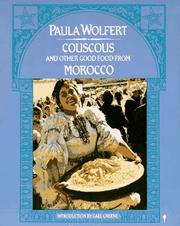
The definitive English-language foundation text on Moroccan cooking. Read second to ground Lahlou's modern perspective in the deep, authentic tradition of tagines, couscous, and preserved lemons.
Going Deeper: Authentic Moroccan Technique
IntermediateMaster the full range of Moroccan cooking methods — from slow-braised tagines and hand-rolled couscous to bastilla and chermoula — with confidence in layering spices.
▸ Study plan for this stage
Pace: 8–10 weeks, ~40–50 pages/day (alternating between Wolfert's technical deep-dives and Ottolenghi's vegetable applications)
- Tagine construction and braising technique: layering aromatics, spices, and proteins for slow-cooked depth and balance of sweet-savory-sour flavors
- Spice layering and toasting: understanding how to bloom, toast, and combine Moroccan spice blends (ras el hanout, chermoula, harissa) to build complexity
- Couscous mastery: hand-rolling technique, steaming methods, and the role of couscous as a vehicle for sauce absorption rather than a standalone starch
- Bastilla and phyllo work: the interplay of savory and sweet fillings, crispy pastry technique, and the cultural significance of this showstopper dish
- Chermoula as a foundational sauce: fresh herb and spice paste applications across proteins, vegetables, and as a finishing element
- Vegetable-forward Moroccan cooking: how Ottolenghi's North African-inspired techniques honor traditional flavor profiles while centering produce
- Sauce-building and reduction: understanding how to create silky, concentrated pan sauces and braises that balance acidity, fat, and spice
- Seasonal and regional variation: recognizing how Moroccan cooking adapts to available ingredients and how to apply this flexibility in your own kitchen
- What is the purpose of toasting whole spices before grinding them, and how does this step change the flavor profile of a tagine?
- Explain the difference between a tagine made with preserved lemons and one made with fresh lemon juice—what does each contribute to the final dish?
- How do you hand-roll couscous, and why is this technique superior to using instant couscous for authentic Moroccan meals?
- What are the key components of a bastilla filling, and how do the sweet and savory elements work together?
- Describe the composition of chermoula and name at least three different ways it can be used in Moroccan cooking.
- How does Ottolenghi's approach to North African vegetables differ from traditional Moroccan cooking, and what techniques does he borrow from the tradition?
- Make a complete tagine from Wolfert's book (chicken with preserved lemons and olives, or lamb with prunes and almonds) and document how the spices layer and deepen over the cooking time.
- Toast and grind your own ras el hanout from whole spices, comparing the result to store-bought; use it in two different dishes to understand its versatility.
- Prepare hand-rolled couscous from scratch using Wolfert's method, then steam it properly and serve it with a tagine sauce to experience the texture and sauce absorption.
- Make a batch of fresh chermoula and use it three ways in one week: as a marinade, as a finishing sauce, and as a condiment or dip.
- Construct and bake a bastilla from Wolfert, paying close attention to phyllo layering, filling balance, and the final dusting of powdered sugar and cinnamon.
- Cook three vegetable-forward dishes from Ottolenghi's North African-inspired recipes, identifying which Moroccan techniques (spice, herb, sauce) he employs and how he adapts them for vegetables.
Next up: This stage builds your technical foundation and flavor intuition in Moroccan cooking, preparing you to move into the next level where you'll develop your own recipes, host Moroccan meals, and adapt techniques to seasonal ingredients and personal preferences.

Wolfert's comprehensive follow-up synthesizes decades of research into a single authoritative volume; reading it after her first book reveals the full depth and regional breadth of Moroccan cuisine.

Introduces North African spice logic — ras el hanout, preserved lemons, harissa — in accessible, weeknight-friendly recipes that sharpen a cook's instinct for bold, aromatic layering.
Expanding the Map: North Africa Beyond Morocco
IntermediateDiscover the distinct cuisines of Tunisia, Algeria, Libya, and Egypt — understanding how shared ingredients like harissa, couscous, and preserved citrus express differently across the region.
▸ Study plan for this stage
Pace: 5–6 weeks, ~25–30 pages/day. Start with "Zaitoun" (weeks 1–3, ~200 pages), then move to "The Complete Middle East Cookbook" (weeks 4–6, focusing on North African sections and recipes). Allocate 2–3 days per week for hands-on cooking practice.
- How harissa, preserved lemons, and couscous function as flavor anchors across Tunisia, Algeria, Libya, and Egypt—with regional variations in heat, fermentation, and preparation
- The Berber, Arab, Ottoman, and colonial influences that shaped distinct North African cuisines beyond Morocco's framework
- Yasmin Khan's narrative approach to food as cultural memory and identity in 'Zaitoun'—connecting Palestinian and Levantine cooking to broader North African diaspora stories
- The role of spice blends (ras el hanout, baharat, dukkah) and their geographic origins and applications across North Africa
- How geography, trade routes, and climate determine ingredient availability and cooking methods in each country (coastal vs. inland, Mediterranean vs. Saharan)
- The distinction between everyday home cooking and ceremonial/festive dishes in North African food culture
- Tess Mallos's systematic recipe organization and how to adapt Middle Eastern techniques to North African contexts
- How does harissa differ in preparation, heat level, and use between Tunisia, Algeria, and Egypt, and what does 'Zaitoun' reveal about the cultural significance of these variations?
- What are the key Ottoman and colonial influences visible in North African cuisines, and how does Yasmin Khan's work help contextualize these historical layers?
- Compare the role of couscous in Moroccan cooking (from your prior stage) versus Algerian and Tunisian cooking—what are the textural and flavor differences, and why?
- Using 'The Complete Middle East Cookbook,' identify three spice blends central to North African cooking and explain their geographic origins and primary uses
- How do preserved lemons, dates, and olive oil function differently across the four countries, and what does this reveal about regional identity?
- What connections does 'Zaitoun' make between Palestinian/Levantine food and North African diaspora communities, and how does this complicate the idea of 'North African cuisine' as a single entity?
- Read 'Zaitoun' with a map nearby: mark each country/region mentioned, note the ingredients and dishes associated with it, and create a visual 'ingredient map' showing how key items (harissa, preserved lemons, couscous) appear across chapters
- Make three versions of harissa (Tunisian, Algerian, Egyptian-style) using recipes from 'The Complete Middle East Cookbook' and Yasmin Khan's references; taste and compare, documenting heat, fermentation time, and flavor profile differences
- Prepare a Tunisian couscous dish (e.g., couscous with seven vegetables) and an Algerian couscous (e.g., couscous with lamb and chickpeas) side-by-side; note differences in grain preparation, sauce consistency, and spicing
- Create a 'spice blend tasting board' featuring ras el hanout, baharat, and dukkah; research their origins in 'The Complete Middle East Cookbook,' then use each in a simple dish to understand their distinct flavor profiles
- Cook a Tunisian tagine and an Egyptian koshari or ful medames from Mallos's recipes; document how similar ingredients (spices, legumes, preserved items) create entirely different dishes based on technique and proportion
- Interview or research one North African diaspora community (Tunisian, Algerian, Egyptian) in your region; connect their food practices to themes in 'Zaitoun' about displacement, memory, and culinary adaptation
Next up: This stage establishes North Africa as a region of distinct but interconnected cuisines, preparing you to explore how these traditions traveled, adapted, and merged in diaspora communities and modern fusion cooking in the next stage.

Bridges the Levant and North Africa with vivid storytelling and recipes that illuminate shared culinary threads, helping the reader see North African cooking within its wider Mediterranean context.
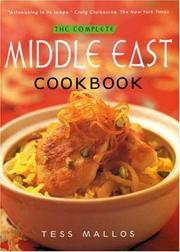
A thorough regional reference that covers North African countries individually, giving the learner clear country-by-country comparisons of spice profiles, breads, and stews.
Mastery: Modern Interpretations & Creative Confidence
ExpertApply deep knowledge of North African flavor principles creatively — adapting traditional recipes, improvising spice blends, and cooking with the freedom and confidence of an experienced home cook.
▸ Study plan for this stage
Pace: 8–10 weeks, ~25–30 pages/day, with 2–3 cooking sessions per week
- Ingredient-forward cooking: building dishes around seasonal produce and pantry staples rather than rigid technique
- Flavor layering through unexpected combinations: how Ottolenghi and Tamimi blend Mediterranean, Middle Eastern, and North African elements
- Spice as a creative tool: moving beyond traditional ratios to develop personal spice blends and taste preferences
- Simplicity as sophistication: achieving restaurant-quality results through minimal ingredients and confident execution
- Cultural adaptation and respect: understanding when and how to reinterpret traditional North African recipes without losing authenticity
- Intuitive seasoning and tasting: developing palate confidence to adjust recipes in real time
- Vegetable-centric cooking: centering plants as the main event, not a side dish
- Personal cooking voice: recognizing your own style and preferences within the North African flavor tradition
- How does Ottolenghi's approach to simplicity differ from traditional North African cooking, and where do the two philosophies align?
- What are the signature flavor combinations in Falastin, and how do they reflect Palestinian and broader Levantine/North African traditions?
- How would you adapt a traditional Moroccan tagine recipe using Ottolenghi's ingredient-forward principles without losing its essential character?
- What role do fresh herbs, citrus, and spice play in both books, and how can you use these elements to create your own signature dishes?
- How do you develop confidence in seasoning by taste rather than by recipe measurements?
- What does it mean to cook with cultural respect when adapting or reinterpreting traditional North African recipes?
- Cook 3–4 recipes from Ottolenghi Simple, focusing on how he uses 5–7 core ingredients to create depth; document what you notice about his flavor-building technique
- Create a personal spice blend inspired by both books (e.g., a ras el hanout variation); test it in 2–3 different dishes and refine based on taste
- Adapt one traditional North African recipe (from your prior learning) using Ottolenghi's simplicity principle; compare the two versions and reflect on what changed
- Cook 4–5 recipes from Falastin, paying attention to how Tamimi uses vegetables as the star; identify the 3–4 flavor anchors in each dish
- Host a tasting dinner where you cook 2 recipes from each book side-by-side; invite others to taste and discuss how the two approaches complement each other
- Develop a 'signature dish' that blends North African spice knowledge with Ottolenghi's simplicity and Tamimi's vegetable focus; cook it twice and refine
- Create a personal pantry list of 15–20 ingredients you'll always keep on hand for improvisation, based on patterns you notice across both books
- Blind taste-test 3 different spice blends (one traditional, one Ottolenghi-inspired, one your own) in the same base dish; reflect on flavor differences and your preferences
Next up: This stage equips you with the creative confidence and flavor intuition to move beyond recipes entirely—preparing you to design original North African-inspired dishes from first principles, teach others, and establish yourself as a knowledgeable, creative cook in this tradition.

Teaches the advanced skill of achieving complex North African flavors with minimal steps — ideal for internalizing spice logic so recipes become instinctive rather than prescriptive.

A masterclass in bold, aromatic cooking that shares deep roots with North African cuisine; its confident, creative approach to preserved lemons, spice pastes, and slow cooking is the perfect capstone.
Discussion
Keep reading
Paths that share books, cover the same subject, or open a related topic.