The counterintuitive thing about budget cooking is that it demands more skill than expensive cooking, not less. A good steak forgives a cook; dried beans, tough cuts and root vegetables do not. They need seasoning judgement, patience and an understanding of how acid and fat rescue a dull pot. That is why a reading path here should not be a stack of cheap-recipe books.
The order below moves from working recipes you can cook this week, to the underlying technique that lets you improvise, to strategies — batching and whole-ingredient cooking — that cut cost structurally rather than dish by dish.
Recipes that already work
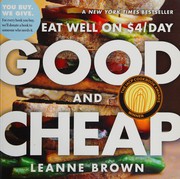
Start with Good and cheap by Leanne Brown, written for people cooking on roughly four dollars a day and still the standard in this space. It is rigorous about cost per serving, unpatronising in tone, and full of dishes built around ingredients that are cheap almost everywhere. It gives you immediate wins, which matters, because motivation is part of the problem.
Then A Girl Called Jack by Jack Monroe, which came out of genuine constraint and reads that way. Monroe's recipes assume a small kitchen, limited equipment and supermarket value ranges, and the book is honest about the emotional weight of cooking with no margin for error. Between these two you have a working repertoire.
The technique that makes it good
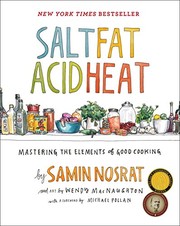
Now move to Salt, Fat, Acid, Heat by Samin Nosrat, which is the single highest-leverage book on this list. It is not a budget book, but the four variables it teaches are exactly what turn cheap ingredients into food people want to eat: how to salt properly, when to add acid, what fat does, how heat changes texture. Once you internalise this you stop needing recipes for basic dishes, which is where the real savings live.
Pair it with Plenty by Yotam Ottolenghi. The ingredient lists can run long, but the underlying lesson is that vegetables carry a meal when they are cooked with intent — and vegetables are the cheapest protein-adjacent calories in most kitchens. Cook selectively from it and adapt; treat it as a source of ideas about flavour rather than a shopping mandate.
Structural savings: batch and whole ingredients
Cook Once, Eat All Week by Cassy Joy Garcia is the batching book — one cooking session producing components that recombine into several distinct meals. Batching cuts both cost and the decision fatigue that drives takeaway orders, which is usually the larger expense.
The frugal cook by Fiona Beckett covers the household-economics side directly: shopping, storage, leftovers, and how to plan a week so nothing spoils. It is the most explicitly money-focused book here after Brown.
Close with The whole beast by Fergus Henderson, the nose-to-tail classic. It is not a budget book in presentation, but its argument is the deepest cost lesson available: the cheap cuts and offal that most shoppers ignore are also the most flavourful, and learning to cook them changes your entire meat spend. It is demanding, and some of it will not suit every kitchen — take what applies.
Cook from each stage before moving on; two or three dishes is enough to make the next book land. Follow the full path for the stage-by-stage plan.
Follow the full ordered path here: Cooking on a Budget: The Best Books to Read First.