Best Ethiopian Cookbooks to Learn the Cuisine
This curriculum takes you from the cultural and culinary foundations of Ethiopian food all the way to mastering the full communal feast — injera, spiced butters, berbere blends, classic wats, and tibs. Each stage builds on the last: you first understand the pantry and philosophy, then develop core techniques, and finally assemble a complete Ethiopian table with confidence.
Foundations: Culture, Pantry & the Ethiopian Table
BeginnerUnderstand the cultural context of Ethiopian cuisine, learn the essential pantry staples (teff, berbere, niter kibbeh, mitmita), and get comfortable with the logic of communal eating before touching a pan.
▸ Study plan for this stage
Pace: 4–5 weeks, ~25–30 pages/day. Start with "Teff Love" (weeks 1–2), then move to "Ethiopia" (weeks 3–5) to deepen cultural context.
- Teff as the nutritional and cultural cornerstone of Ethiopian cuisine—its history, cultivation, and role in daily life
- Berbere spice blend: composition, flavor profile, and how it defines the taste of Ethiopian cooking
- Niter kibbeh (clarified butter infused with spices) as a foundational cooking fat and flavor builder
- Mitmita and other condiments as expressions of personal taste and communal dining etiquette
- The injera as both plate and utensil—understanding its function in Ethiopian table culture and communal eating
- Ethiopia's geographic, historical, and religious influences on regional food traditions and ingredient availability
- The logic and social significance of communal eating (gursha, sharing from one plate) as central to Ethiopian food culture
- How Ethiopian pantry staples reflect sustainability, accessibility, and adaptation across different regions and climates
- What makes teff nutritionally unique, and why is it so central to Ethiopian identity and cuisine?
- What are the primary ingredients in berbere, and how does the spice blend vary by region or family tradition?
- Explain the difference between niter kibbeh and regular butter, and describe its role in Ethiopian cooking.
- What is mitmita, and how does it reflect the Ethiopian principle of personal taste within communal dining?
- How does injera function as both a food and a tool in Ethiopian table culture, and what does this reveal about communal eating?
- What historical, geographic, or religious factors have shaped Ethiopian cuisine and ingredient choices across different regions?
- Source and taste teff flour or injera from an Ethiopian restaurant or specialty store; journal your observations on texture, flavor, and how it differs from wheat-based breads.
- Create a spice blend inspired by berbere using whole spices (chili peppers, fenugreek, coriander, cardamom, cloves, etc.); toast, grind, and taste it to understand how each ingredient contributes.
- Make or purchase niter kibbeh and use it to cook a simple vegetable or grain; compare the flavor and aroma to dishes made with regular butter or oil.
- Prepare or order a traditional Ethiopian meal and practice eating communally—tear injera, use it as a utensil, and experience gursha (hand-feeding) with a friend or family member.
- Map out the regions of Ethiopia mentioned in both books and note which pantry staples, dishes, or ingredients are associated with each; identify how geography influences food.
- Interview someone from an Ethiopian background (in person or via research) about their family's approach to berbere, niter kibbeh, or mitmita—document how tradition and personal preference intersect.
Next up: With the cultural foundations and pantry essentials now internalized, you'll be ready to move into hands-on cooking, where you'll apply these staples to build specific dishes and master the techniques that bring Ethiopian cuisine to life.

A highly accessible, beginner-friendly introduction to Ethiopian cooking built around teff and injera, with clear explanations of the spice pantry and foundational dishes — perfect for demystifying the cuisine from the very start.

Written by Ethiopia's most prominent chef, this beautifully photographed book grounds every recipe in cultural and regional context, giving the beginner a vivid map of the cuisine's diversity before diving into technique.
The Classic Wats & Tibs: Stews, Braises & Sautés
IntermediateCook the full canon of Ethiopian wats (doro wat, misir wat, alicha) and tibs (sautéed meats and vegetables) with confidence, understanding the layering of spices and the slow-cooking methods that define each dish.
▸ Study plan for this stage
Pace: 4–5 weeks, ~15–20 pages/day, with 2–3 cooking sessions per week
- The foundational spice blends (berbere and mitmita) and how they build flavor in wats
- The slow-cooking technique for developing deep, complex flavors in doro wat, misir wat, and alicha
- The role of onions as a flavor base and the importance of caramelization in Ethiopian stews
- Texture and consistency control in wats—achieving the right balance between broth and thick sauce
- The distinction between wats (stewed) and tibs (sautéed)—different heat management and cooking times
- How to layer spices and aromatics to create authentic depth without burning
- Ingredient substitutions and sourcing Ethiopian staples (niter kibbeh, berbere, teff)
- The cultural and historical context of these dishes in Ethiopian cuisine and their role in communal meals
- What are the key differences in preparation and cooking technique between doro wat, misir wat, and alicha?
- How do you build and layer spices in a traditional wat to avoid burning them while developing complex flavor?
- What is the role of niter kibbeh in Ethiopian cooking, and how does it differ from regular butter?
- How do tibs differ from wats in terms of heat, cooking time, and texture, and when would you choose one over the other?
- What is berbere, what are its main components, and how do you adjust it for different dishes?
- How do you achieve the ideal consistency in a wat—thick enough to coat injera but not dry?
- Make doro wat from 'The African Cookbook' and document the spice-layering process; taste at each stage to understand how flavors develop
- Prepare misir wat and alicha back-to-back, noting the differences in spice ratios, cooking time, and final texture
- Make niter kibbeh from scratch and use it in at least two different wat recipes to understand its impact on flavor
- Cook a tibs dish (sautéed meat or vegetables) and compare the technique, timing, and result directly to a wat you've made
- Prepare berbere spice blend from individual components (if available in 'The African Cookbook') and taste it before and after toasting to understand flavor development
- Host a small Ethiopian meal featuring two wats and one tibs, serving them traditionally on injera and noting how the dishes complement each other
Next up: This stage equips you with mastery of the core wat and tibs techniques and spice foundations, preparing you to explore regional variations, vegetable-based dishes, and more specialized preparations in the next stage.
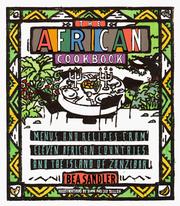
Provides broader African context while dedicating substantial coverage to Ethiopian stews and braised dishes, helping the intermediate cook understand how Ethiopian flavor profiles compare and contrast across the region.
The Full Communal Platter: Bringing It All Together
ExpertPlan, time, and execute a complete Ethiopian communal spread — injera as the base, a balanced selection of wats, tibs, and salads arranged on a single platter — understanding portioning, sequencing, and the hospitality rituals that make the meal whole.
▸ Study plan for this stage
Pace: 4–5 weeks, ~25–30 pages/day, with 2–3 full practice meals built in
- Plating and presentation philosophy: how arrangement on a communal platter reflects cultural values and hospitality
- Injera as foundation: mastering fermentation timing, thickness, and texture to support multiple dishes without sogginess
- Balancing a spread: selecting complementary wats, tibs, and vegetable dishes that work together in flavor, heat, and richness
- Portioning and sequencing: calculating quantities for group meals and determining the logical order of dishes on the platter
- The ritual of sharing: understanding the social and spiritual dimensions of communal eating in Ethiopian tradition
- Adapting recipes across cuisines: applying Ethiopian techniques to other African and global ingredients (as explored in both texts)
- Timing and workflow: coordinating multiple dishes to finish simultaneously for seamless service
- Hospitality as technique: using food preparation and presentation as an act of respect and welcome
- How do you construct a balanced Ethiopian communal platter that accounts for flavor progression, heat levels, and textural variety?
- What are the critical steps in injera fermentation and cooking that determine whether it can support a full spread without becoming soggy?
- How do the portioning and arrangement strategies differ when cooking for 4 people versus 12 people, and what adjustments must you make?
- What role does the ritual of sharing and the act of serving play in Ethiopian hospitality, and how does this influence your approach to plating and presentation?
- How can you adapt the principles of Ethiopian communal cooking to ingredients and cuisines outside Ethiopia, as demonstrated in these texts?
- What is the relationship between timing, workflow, and the success of a multi-dish meal, and how do you manage it in practice?
- Plan and execute a complete Ethiopian communal platter for 6–8 people: prepare injera, 2–3 wats (e.g., doro wat, misir wat), 1 tib dish, and 2 vegetable/salad sides. Document plating decisions and timing.
- Make injera three times using different fermentation periods (2 days, 4 days, 7 days) and evaluate how each performs under the weight of a full spread; record texture, sourness, and structural integrity.
- Cook a second full spread for a different group size (4 or 12 people) and adjust all recipes proportionally; reflect on how quantities and cooking times shifted.
- Prepare a 'fusion' communal platter that applies Ethiopian communal cooking principles to non-Ethiopian ingredients (e.g., West African, Mediterranean, or Asian dishes arranged in the Ethiopian style); document how the philosophy translates.
- Host a tasting meal where you serve your platter using traditional Ethiopian hospitality rituals (hand-washing, blessing, communal eating without utensils); observe and record how the ritual affects the experience.
- Create a detailed mise en place and timeline document for a 3-dish wat spread, mapping out prep, cooking, and holding times to ensure all dishes finish within 15 minutes of each other.
Next up: This stage equips you to execute a complete, cohesive Ethiopian meal with cultural understanding and technical precision, preparing you to either teach others these skills, adapt them to your own cultural context, or explore the deeper regional and seasonal variations that define Ethiopian cuisine across different communities and seasons.

While focused on West Africa, this book is a masterclass in thinking about communal African feasting as a designed experience — menu architecture, platter balance, and hosting philosophy that directly elevates your Ethiopian spread planning.
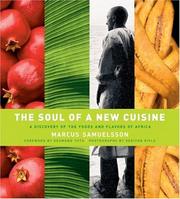
Samuelsson, who grew up in Ethiopia, explores the continent's culinary soul with a chef's eye for composition and a host's instinct for the communal table — the ideal capstone for understanding how to present Ethiopian food at its most celebratory and complete.
Discussion
Keep reading
Paths that share books, cover the same subject, or open a related topic.