Burmese cooking is one of the least represented major cuisines in English-language publishing. Decades of isolation meant that while Thai and Vietnamese food generated whole shelves of cookbooks, Myanmar produced a handful. That scarcity is the defining fact of this reading path: there is no need to choose between twenty options, but it does mean each book carries more weight and you should understand what each one is for.
The cuisine itself sits at a crossroads — Indian influence in the curries and lentils, Chinese in the noodles and stir-frying, Thai in some of the salads — with a distinctive core of its own: fermented tea leaves, dried shrimp, shallot oil, chickpea flour, and a fondness for sour and savoury together. The reading order below builds outward from the best modern reference.
The foundation
Start with Rivers of flavor by Naomi Duguid. It is the book that introduced most Western cooks to Burmese food, and it does two jobs at once: reliable recipes tested for home kitchens, and travel writing and photography that place each dish in a region. Duguid is thorough about the pantry — shrimp paste, fish sauce, tamarind, laphet — which is the part that most often defeats beginners. Read the ingredient chapters before you cook anything.
The older reference
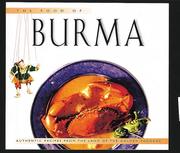
Then The food of Burma by Claudia Saw Lwin Robert, a shorter and earlier collection that predates the recent interest. It is more compact, less contextualised, and useful precisely as a cross-check: seeing an older treatment of the same dishes tells you which elements are stable and which are one author's adaptation.
The insider's version
Mandalay by MiMi Aye is the essential complement to Duguid. Aye is British-Burmese and writes from inside the food rather than about it, with family versions of dishes, sharper notes on what a preparation should actually taste like, and pragmatic substitutions for cooks outside Myanmar. Where Duguid gives breadth and context, Aye gives authority and everyday practicality. If you cook seriously from only one, make it this one — but the two together are better than either alone.
The technique underneath
Close with The art of fermentation by Sandor Katz. It is not a Burmese book, and that is the point: laphet thoke, the fermented tea leaf salad that is the cuisine's signature dish, along with pickled vegetables and fermented bean and fish products, all depend on processes Katz explains properly. Understanding salt concentration, anaerobic conditions and how to tell a good ferment from a failed one lets you approach these preparations with judgement instead of anxiety. Use it as reference rather than reading it cover to cover.
A practical note
Sourcing is the real barrier, not technique. Fermented tea leaves, Burmese-style shrimp paste and good chickpea flour are worth ordering before you start rather than substituting away — most of the dishes lose their identity without them. All four books discuss substitutions honestly, and Aye is the most useful on which ones actually work.
Cook two or three dishes from each stage before moving on. Follow the full path for the stage-by-stage plan.
Follow the full ordered path here: The Best Burmese Cookbooks to Read First.
Ready to learn something deeply?
Build a reading path — free