The Best Books on Food Writing
This curriculum is designed for writers who already read widely and have some writing experience, but want to develop a distinctive, craft-driven voice specifically for food writing. The path moves from studying the masters of the form and absorbing their techniques, to understanding the deeper cultural and sensory dimensions of food storytelling, and finally to tackling the most ambitious, literary end of the genre — where food writing becomes serious literature.
Studying the Masters
IntermediateAbsorb the foundational voices and techniques of food writing by reading the writers who defined the genre — understanding how personal voice, scene-setting, and sensory detail work together.
▸ Study plan for this stage
Pace: 8–10 weeks, ~25–35 pages/day. Read Fisher (4 weeks), Liebling (3 weeks), Reichl (2–3 weeks) to allow time for reflection and exercise completion between books.
- Personal voice as the engine of food writing: how Fisher's philosophical introspection, Liebling's wit and authority, and Reichl's emotional honesty each create distinct narrative personas
- Sensory immersion and appetite as narrative devices: how detailed descriptions of taste, smell, texture, and atmosphere make readers experience food rather than merely read about it
- Scene-setting and memory as structure: how these writers use specific meals, restaurants, and moments in time to anchor larger themes about culture, identity, and desire
- The essay form in food writing: how Fisher's meditative essays, Liebling's reportage-inflected pieces, and Reichl's memoir chapters each use different structural approaches to explore food
- Food as a lens for social observation: how meals reveal class, geography, history, and human connection in Fisher, Liebling, and Reichl's work
- Vulnerability and authority in voice: how these writers balance expertise with personal admission of desire, failure, and transformation
- How does M. F. K. Fisher use philosophical reflection and personal digression to elevate a simple meal or eating experience into something universal? Cite specific examples from 'The Art of Eating.'
- What is Liebling's distinctive tone in 'Between Meals,' and how does his approach to describing food and restaurants differ from Fisher's? What does his wit and authority accomplish that introspection alone cannot?
- How does Ruth Reichl use sensory detail and emotional vulnerability in 'Tender at the Bone' to make readers feel present in her childhood meals and restaurant experiences?
- Across all three books, how do these writers use a specific meal or dining scene to explore larger themes about identity, belonging, or transformation?
- What techniques do Fisher, Liebling, and Reichl use to make food writing feel urgent and necessary rather than merely descriptive or nostalgic?
- How does each writer's personal voice shape what they choose to notice, remember, and emphasize about food and eating?
- After finishing 'The Art of Eating,' write a 2–3 page meditative essay on a simple meal from your own life, imitating Fisher's philosophical approach—begin with a concrete detail and follow your thoughts wherever they lead, allowing food to become a gateway to larger reflection.
- Read a chapter from 'Between Meals' and identify Liebling's specific rhetorical moves: where does he insert humor? Where does he assert authority? Where does he reveal appetite or desire? Write a 1-page analysis of how these moves work together to create his voice.
- Select one vivid food scene from 'Tender at the Bone' and rewrite it in a different voice (e.g., clinical, detached, overly sentimental). Then reflect: what does Reichl's original voice accomplish that the alternatives cannot?
- Comparative exercise: Take the same subject (e.g., a restaurant meal, a childhood food memory, a moment of hunger) and write three short paragraphs—one imitating Fisher's introspective style, one imitating Liebling's witty authority, and one imitating Reichl's emotional directness. Notice how voice shapes content.
- Create a 'sensory inventory' for one meal described in each book: list every taste, smell, texture, temperature, and visual detail the writer includes. Compare the three inventories—what does each writer prioritize, and what does that reveal about their values as a writer?
- Write a personal food essay (3–4 pages) that deliberately incorporates techniques from all three writers: Fisher's philosophical digression, Liebling's observational wit, and Reichl's sensory immediacy and emotional honesty. Revise until these voices feel integrated rather than pasted together.
Next up: This stage establishes the foundational voices and techniques that all subsequent food writing builds on or responds to; the next stage will teach you to develop your own voice by learning how contemporary and emerging food writers adapt, challenge, or synthesize these classic approaches.
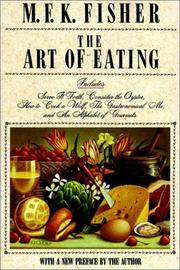
Fisher is the undisputed godmother of American food writing; reading her first establishes the gold standard for voice, intimacy, and the idea that writing about food is always writing about life.
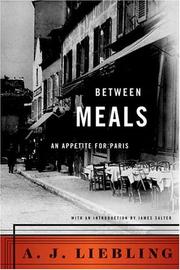
Liebling's memoir of eating in Paris is a masterclass in wit, specificity, and the restaurant review as literary form — essential counterpoint to Fisher's more personal register.
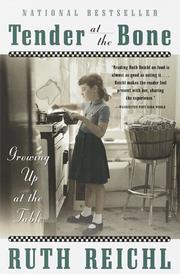
Reichl shows how food memoir can be structured as narrative arc; her accessible, scene-driven prose is a practical model for writers building their own voice.
Craft & Technique
IntermediateMove from reading great food writers to understanding HOW they do it — studying the craft of sensory description, structure, reporting, and the mechanics of restaurant criticism.
▸ Study plan for this stage
Pace: 8–10 weeks, ~40–50 pages/day. Start with McGee's foundational science (2–3 weeks), move to Ruhlman's behind-the-scenes narrative (2–3 weeks), then finish with Reichl's restaurant criticism in action (2–3 weeks). Build in 1–2 weeks for overlap and review.
- The science of flavor: how McGee's explanations of chemistry, heat, and ingredient interaction form the foundation for writing about food authentically
- Sensory description with precision: moving beyond generic adjectives to specific, measurable observations about taste, texture, aroma, and mouthfeel
- Narrative structure in food writing: how Ruhlman embeds culinary philosophy and character development within a journey-based narrative
- The critic's voice and persona: how Reichl uses multiple identities and disguises to reveal restaurant truth, and how voice shapes credibility
- Reporting and research discipline: the legwork behind restaurant criticism—multiple visits, note-taking, context-gathering—as shown in Reichl's methods
- The relationship between technique and experience: understanding that great food writing explains not just what something tastes like, but why it tastes that way
- Structure and pacing in long-form food narrative: how to sustain reader interest across a full book while weaving together memoir, instruction, and critique
- How does McGee's explanation of the Maillard reaction or emulsification change the way you would describe a dish in writing? Give a specific example.
- What is Ruhlman's central argument about the relationship between technique, discipline, and becoming a chef, and how does he use narrative structure to convey it?
- Identify three different personas or disguises Reichl uses in 'Garlic and Sapphires' and explain what each one reveals about a restaurant that a single visit would not.
- Compare how McGee, Ruhlman, and Reichl each use sensory language. Which author's approach to describing flavor or texture feels most precise to you, and why?
- What is the role of research and reporting in Reichl's restaurant criticism? How many visits does she typically make, and what does she look for beyond the food itself?
- How would you apply McGee's scientific understanding of cooking to critique a restaurant's execution of a classic dish?
- While reading McGee, select one scientific principle (e.g., caramelization, protein denaturation, acid-base reactions) and write a 500-word food scene that demonstrates your understanding of that principle through sensory description, not explanation.
- After finishing Ruhlman, outline the narrative arc of 'The Soul of a Chef.' Identify the key turning points, character moments, and philosophical shifts. Then write a 300-word passage that mimics Ruhlman's style of embedding culinary instruction within personal narrative.
- Conduct a 'Reichl-style' restaurant visit: go to a restaurant and take detailed notes on at least three separate elements (service, ambiance, a specific dish). Return for a second visit and note what changes or confirms your first impression. Write a 400-word review that incorporates both visits.
- Create a 'sensory vocabulary list' by reading one chapter from each book and extracting precise descriptive language for taste, texture, aroma, and appearance. Organize by category and note which author's language you find most useful.
- Write a 600-word restaurant critique in which you apply McGee's scientific knowledge to explain why a dish succeeded or failed—focus on technique, ingredients, and the chemistry behind the execution.
- Rewrite a passage from Reichl's reviews using a different persona or voice (e.g., write as a skeptical food scientist, a nostalgic home cook, or a modernist chef). Reflect on how voice shapes the reader's trust and interpretation.
Next up: This stage equips you with the technical vocabulary, narrative strategies, and critical frameworks to analyze and produce food writing; the next stage will likely challenge you to synthesize these tools into your own distinctive voice and longer-form projects.
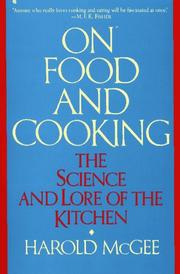
A food writer without scientific grounding is limited; McGee gives you the vocabulary of ingredients, technique, and flavor that makes descriptions precise and authoritative.

Ruhlman's immersive narrative journalism — reporting from inside professional kitchens — is a model for how to structure long-form food writing with tension, character, and scene.
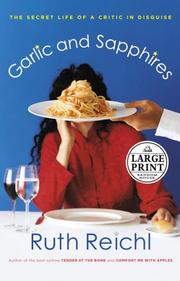
Reichl's account of her years as the New York Times restaurant critic is the definitive insider guide to criticism as craft — how to observe, disguise intent, and write a review with consequence.
Voice, Place & Culture
IntermediateExpand beyond the plate to understand how the best food writers embed food in culture, memory, identity, and place — the moves that elevate a piece from good to unforgettable.
▸ Study plan for this stage
Pace: 8–10 weeks, ~40–50 pages/day (with reflection breaks)
- Immersion as a narrative technique: how Buford embeds himself in kitchens and Italian food culture to reveal deeper truths about craft, discipline, and human connection
- Place as character: how specific locations (Mario Batali's restaurants, Bolognese kitchens, Italian countryside) shape identity, tradition, and the meaning of food
- Memory and sensory detail: how precise, evocative descriptions of taste, smell, and texture anchor emotional and cultural narratives
- Mentorship and apprenticeship: how relationships with master chefs and food traditions transmit knowledge, values, and cultural identity across generations
- Food as cultural identity: how regional Italian cuisine embodies history, family legacy, and resistance to homogenization
- The writer as outsider-insider: how Buford's perspective as an American journalist learning Italian food culture creates tension and insight
- Vulnerability and personal transformation: how the author's own struggles and growth become inseparable from the food and places he encounters
- How does Buford use his role as an apprentice in Mario Batali's kitchen to explore themes beyond cooking technique? What does his immersion reveal about discipline, ambition, and human nature?
- What is the relationship between place (Bologna, Piedmont, New York restaurants) and the food Buford describes? How does geography shape culinary tradition and identity in Heat?
- How does Buford use sensory and emotional detail to make food writing transcend recipe or restaurant review? Identify 2–3 passages where description becomes cultural insight.
- What role does mentorship play in Heat? How do Buford's relationships with chefs and Italian food masters shape both his understanding of food and his identity as a writer?
- How does Buford position himself as both an outsider and insider in Italian food culture? What tensions or contradictions emerge from this dual perspective?
- What does Heat suggest about the relationship between food, memory, and identity? How does Buford use food to explore larger questions about belonging, tradition, and change?
- Close-read 3–4 passages from Heat where Buford describes a dish, kitchen scene, or Italian landscape. Annotate how he layers sensory detail, emotional resonance, and cultural significance. What makes these passages memorable rather than merely informative?
- Write a 500-word personal essay about a meal, ingredient, or kitchen experience that shaped your identity or connected you to a place or person. Aim to embed the food in memory, emotion, and cultural meaning—not just describe it.
- Interview someone (family member, chef, friend) about a dish or food tradition that matters to them. Write up the interview as a narrative essay that reveals how food connects to their identity, place, or relationships. Model Buford's approach of letting people and places speak through food.
- Create a detailed map or visual essay of a place connected to food (a restaurant, market, kitchen, region, or family home). Annotate it with sensory details, stories, and cultural observations. How does place shape the food and the people who make/eat it?
- Rewrite a section of Heat from a different character's perspective (a sous chef, Mario Batali, an Italian grandmother Buford meets). How does shifting perspective change what we understand about food, culture, and identity?
- Analyze how Buford's voice and perspective evolve across Heat. Select passages from early, middle, and late sections. How does his transformation as a writer and person mirror his deepening engagement with food and place?
Next up: Mastering Buford's techniques of immersion, sensory precision, and cultural embedding prepares you to study how other food writers use voice and narrative structure to explore identity across different cuisines, geographies, and personal stakes.

Pollan demonstrates how food writing can carry serious investigative and philosophical weight; his narrative structure and clear argumentation are models for long-form food journalism.
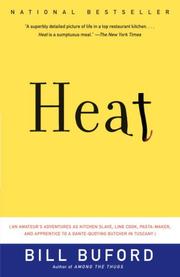
Buford's immersive, first-person account of learning to cook professionally is a masterclass in using the writer's own body and ignorance as the engine of a narrative.
Literary Ambition
ExpertStudy food writing at its most literary and essayistic — where the subject of food becomes a lens for exploring history, identity, grief, and the human condition at the highest level of prose craft.
▸ Study plan for this stage
Pace: 8–10 weeks, ~25–30 pages/day, with 1–2 weeks per book for deep reading and reflection
- Food writing as philosophical inquiry: how Fisher, Steingarten, and Adler use food as a vehicle for exploring meaning, memory, and mortality
- Lyric and meditative prose: the craft techniques that elevate food writing to literature—metaphor, digression, sensory precision, and emotional depth
- Identity and cultural memory through eating: how personal and collective history are encoded in food practices and tastes
- The essay form as exploration: how these writers use the essay to think through problems rather than solve them, embracing uncertainty and wonder
- Appetite as metaphor: food desire as a window into human longing, vulnerability, and the search for meaning
- Craft of attention: how close observation of food, flavor, and ritual becomes a method for understanding the world
- Grief, loss, and sustenance: how food writing addresses mortality, absence, and what it means to nourish ourselves and others
- How does M.F.K. Fisher use the oyster as a lens to explore themes beyond appetite—such as sensuality, mortality, and human connection?
- What is Steingarten's philosophy of taste, and how does he use personal narrative and cultural history to challenge assumptions about food preferences?
- How does Tamar Adler's *An Everlasting Meal* frame eating as a spiritual and ethical practice, and what role does grief play in her vision of nourishment?
- Compare the prose styles of these three writers: what are the distinctive techniques each uses to elevate food writing to literature?
- How do these writers use food to explore identity—whether personal, cultural, or historical—and what does this reveal about the relationship between eating and selfhood?
- What is the relationship between attention, appetite, and meaning-making in these texts? How does paying close attention to food lead to philosophical insight?
- Read Fisher's *Consider the Oyster* and annotate 3–4 passages where she moves from sensory description to philosophical reflection; analyze the rhetorical moves she makes in these transitions
- Write a 2–3 page lyric essay on a single food or meal from your own life, imitating Fisher's technique of using concrete sensory detail to explore an abstract theme (memory, loss, desire, identity)
- Track Steingarten's use of personal anecdote and cultural/scientific research in *The Man Who Ate Everything*; create a chart showing how he weaves these elements together to build an argument about taste
- Conduct a 'taste experiment' inspired by Steingarten: deliberately try a food you typically dislike or avoid, document your sensory experience in detail, and write a 1–2 page reflection on what you discovered about your own preferences and assumptions
- Read Adler's *An Everlasting Meal* and identify passages where she connects eating to ethics, spirituality, or grief; write a short response essay exploring how her vision of food differs from Fisher's and Steingarten's
- Write a comparative analysis (3–4 pages) of how Fisher, Steingarten, and Adler each use the essay form: what questions does each writer pursue? How do they embrace uncertainty? What role does the personal voice play?
Next up: This stage establishes food writing as a serious literary and philosophical practice, equipping you to recognize and create work that uses food as a vehicle for exploring the deepest human concerns—preparing you to either specialize in advanced food writing craft or to apply these techniques of lyric attention and philosophical inquiry to other subjects.
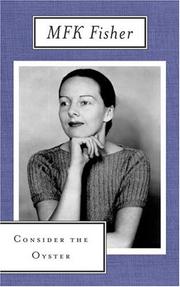
Returning to Fisher at a deeper level, this slim masterpiece shows how a single ingredient can sustain an entire book of essays — a lesson in focus, digression, and tonal control.
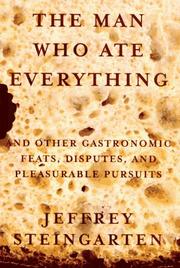
Steingarten's essays are models of rigorous, obsessive, deeply researched food criticism delivered with comic authority — showing how intellectual depth and entertainment are not opposites.
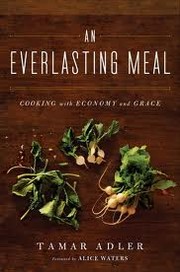
Adler's prose is the most purely literary in contemporary food writing — lyrical, philosophical, and structurally bold — a benchmark for writers who want to push the form to its limits.
Discussion
Keep reading
Paths that share books, cover the same subject, or open a related topic.