Become a chef: cook for a living, not for an algorithm
This curriculum takes a beginner from zero kitchen knowledge to professional-level craft, moving through four tightly sequenced stages: building sensory and technical foundations, mastering classical technique, understanding the culture and business of professional kitchens, and finally refining the hospitality philosophy that separates good cooks from great ones. Each stage assumes the vocabulary and intuition built in the one before it.
Foundations — Taste, Intuition & First Technique
BeginnerDevelop a cook's palate, understand how heat and salt and fat actually work, and build the sensory vocabulary needed to learn from every dish you make or eat.
▸ Study plan for this stage
Pace: 12–14 weeks total. Week 1–4: "Salt, Fat, Acid, Heat" (~25–30 pages/day, reading each of the four elements chapters deeply before moving on). Week 5–7: "An Everlasting Meal" (~20–25 pages/day, read slowly and reflectively — treat it like essays, not instructions). Week 8–14: "On Food and Cooking" (~2
- The Four Elements of Good Cooking (Nosrat): Salt enhances flavor, Fat carries and builds it, Acid brightens and balances, Heat transforms texture and structure — and every cooking decision maps to at least one of these levers.
- Seasoning as a process, not a moment: Nosrat's core lesson that salt must be applied in layers throughout cooking, not just at the end, and that under-salting is the single most common beginner mistake.
- Intuitive, waste-averse cooking (Adler): cooking is a continuous chain — the wilted vegetable, the pot liquor, the stale bread — nothing is a dead end, and a cook's instinct is built by treating every leftover as an ingredient.
- Heat as transformation, not just temperature: Nosrat's distinction between dry heat (browning, crisping, Maillard reaction) and wet heat (braising, steaming, poaching) and how choosing the right heat method is a flavor decision.
- The science behind the intuition (McGee): understanding WHY onions sweeten when cooked (cell-wall breakdown, sugar release), WHY acid denatures protein (ceviche), and WHY fat emulsifies (lecithin in egg yolk) gives the cook a mental model to troubleshoot anything.
- Flavor perception and the cook's palate: McGee's treatment of taste receptors, aroma compounds, and the role of smell in flavor — establishing that tasting critically is a learnable, trainable skill.
- Economy and confidence in the kitchen (Adler): the philosophical stance that cooking well is not about recipes but about reading what is in front of you — a posture that underpins every professional kitchen habit.
- Building a sensory vocabulary: across all three books, the reader should be actively naming what they taste, smell, and feel — learning words like 'bright,' 'flat,' 'unctuous,' 'sharp,' 'rounded,' and 'umami' as precise tools, not decorative ones.
- According to Nosrat, what is the functional difference between salting meat an hour before cooking versus salting it right before it hits the pan — and what physical process explains that difference?
- Nosrat identifies four fats with distinct flavor profiles used as finishing fats. Can you name and contrast at least three, explaining when you would choose one over another?
- Adler argues that water — specifically well-salted pasta or vegetable cooking water — is itself an ingredient. What does she mean, and how does this reframe what most beginners throw down the drain?
- Using McGee's explanation of the Maillard reaction, why does a steak seared in a very hot dry pan develop flavors that the same steak poached in water at the same internal temperature never will?
- If a dish tastes 'flat' or 'muddy' to you, which of Nosrat's four elements are most likely deficient, and what is the diagnostic tasting sequence she recommends to identify the problem?
- Adler's book is structured around a philosophy as much as techniques. In your own words, what is her central argument about the relationship between frugality, confidence, and becoming a good cook?
- The Four-Element Tasting Lab (Nosrat-driven): Make a simple pot of plain cooked lentils or white beans. Divide into four bowls. To each, add one corrective element — more salt, a drizzle of good olive oil, a squeeze of lemon, and a spoonful of something caramelized (onion, tomato paste). Taste each in sequence, then combine all four. Write down in a notebook exactly what each addition changed in y
- The Leftover Chain (Adler-driven): For one full week, commit to Adler's philosophy: nothing gets thrown away without first asking 'what can this become?' Document the chain — roast chicken becomes stock, stock becomes a braise liquid, braise liquid becomes a sauce. Photograph or journal each link. Notice where your instinct hesitates and where it flows.
- Salt-at-Every-Stage Drill (Nosrat-driven): Cook the same simple vegetable (e.g., sautéed zucchini) three times: (1) salt only at the end, (2) salt only at the start, (3) salt in layers at each stage. Taste side by side and write tasting notes. This single exercise will make Nosrat's layering argument visceral and unforgettable.
- The McGee Reverse-Engineering Exercise: Choose any dish you cooked this week that didn't turn out quite right. Use McGee's relevant chapters (check the index for your main ingredient) to find the scientific explanation for what went wrong — e.g., rubbery eggs = protein over-coagulation, greasy sauce = broken emulsion. Write one paragraph connecting the science to the fix.
- Acid Calibration Practice (Nosrat-driven): Make a simple vinaigrette five times, adjusting only the acid-to-fat ratio (from 1:1 to 1:5). Taste each on plain lettuce. Then make a soup or stew and practice adding acid (lemon juice, vinegar, wine) drop by drop at the end, tasting after each addition until the dish 'lifts.' Write down the moment you feel the shift.
- Sensory Vocabulary Journal: After every meal you cook or eat out during this stage, write 3–5 sentences of tasting notes using precise language — not 'good' or 'bad' but specific descriptors (astringent, fatty, sharp, earthy, bright, flat, bitter-forward). At the end of the stage, re-read your first entry versus your last and note how your vocabulary and perception have evolved.
Next up: ">Mastering why salt, fat, acid, and heat work — and developing the sensory language to articulate it — gives the reader the diagnostic toolkit and philosophical confidence to move into more structured technique, recipe deconstruction, and eventually professional kitchen systems in the next stage.
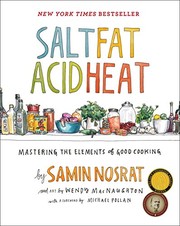
The perfect first book: it teaches the four fundamental forces behind all good cooking rather than recipes, giving beginners a mental framework that makes every later technique book click immediately.
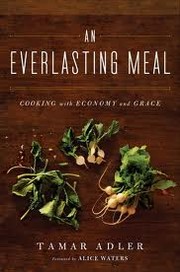
Builds on Nosrat's intuition-first approach by teaching resourcefulness and the cook's mindset — how to think through a kitchen situation rather than follow instructions blindly, a crucial professional habit.
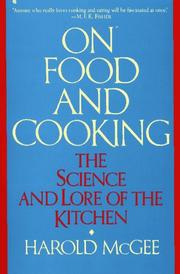
The definitive science-of-cooking reference; reading it early means every technique you learn later has a 'why' behind it, accelerating skill retention and troubleshooting ability.
Classical Technique — The Professional Toolkit
IntermediateMaster the core techniques, knife skills, stocks, sauces, and cooking methods that form the shared language of every professional kitchen worldwide.
▸ Study plan for this stage
Pace: 10–12 weeks total. Weeks 1–7: Jacques Pépin New Complete Techniques (~20–25 pages/day, working section by section — knife skills → stocks → sauces → eggs → fish → meat → pastry). Weeks 8–12: The French Laundry Cookbook (~12–15 pages/day, read slowly and analytically — treat each recipe as a case stu
- Knife skills and fabrication: Pépin's systematic breakdowns of brunoise, julienne, chiffonade, tourné, and protein butchery establish the physical grammar of professional cookery
- Stock-making as a foundation: understanding the difference between white (fond blanc), brown (fond brun), and fumet stocks — their ratios, skimming discipline, and clarification — as taught through Pépin's step-by-step photography
- The classical French mother sauces (Béchamel, Velouté, Espagnole, Hollandaise, Tomato) and their small-sauce derivatives, with Pépin demonstrating the emulsification science behind each
- Dry-heat vs. moist-heat cooking methods: sautéing, roasting, braising, poaching, steaming — and how Pépin's technique chapters show when and why each method is chosen
- Egg mastery: omelets, soufflés, custards, and mayonnaise as taught by Pépin — these are the canonical tests of a cook's fundamental control of heat and emulsification
- Thomas Keller's philosophy of obsessive refinement: The French Laundry Cookbook reframes classical technique not as a checklist but as a relentless pursuit of the 'best possible' version of every element
- Mise en place as a professional mindset: both books, in different registers, demonstrate that preparation, organization, and consistency are the true skills underlying every technique
- Flavor layering and restraint: Keller's recipes show how classical stocks and sauces become the invisible architecture beneath composed dishes, reinforcing why Pépin's foundational work matters at the highest level
- After working through Pépin's stock chapters, can you explain the purpose of blanching bones before making a brown stock, and what goes wrong if you skip it?
- Pépin demonstrates multiple omelet styles — what are the key differences in technique between a French rolled omelet and a country-style omelet, and what does each reveal about heat control?
- How does Keller's approach to a dish like the 'Oysters and Pearls' sabayon reflect the classical Hollandaise and velouté principles Pépin teaches — and where does Keller depart from tradition?
- Using Pépin's sauce chapters as a reference, trace the derivative chain from a single mother sauce to at least three small sauces, explaining what changes at each step.
- Both books treat consistency as a professional virtue. How do Pépin's photographic sequences and Keller's written recipes each enforce the idea that technique must be repeatable, not merely achievable once?
- What does The French Laundry Cookbook reveal about the role of classical French technique in a modern fine-dining context — does Keller treat it as a constraint or a launching pad, and what evidence supports your answer?
- Knife drill week: Following Pépin's illustrated sequences, practice brunoise, julienne, and tourné cuts on carrots, zucchini, and potatoes daily for one full week. Photograph your cuts next to a ruler and track improvement.
- Stock trilogy: Make all three foundational stocks from Pépin's recipes — chicken fond blanc, veal fond brun, and fish fumet — in the same week. Taste them side by side, reduce each to a glace, and note how concentration changes flavor and body.
- Mother sauce matrix: Cook all five mother sauces in a single weekend session using Pépin as your guide. From each, produce at least one derivative small sauce. Label, taste, and write a one-paragraph tasting note for each.
- Egg gauntlet: Execute Pépin's French rolled omelet, a cheese soufflé, a classic crème caramel, and a hand-whisked mayonnaise in sequence over one week. Journal every failure and the adjustment you made.
- French Laundry close-read exercise: Choose any three recipes from Keller's book and reverse-engineer them on paper — identify every classical technique from Pépin that appears, annotated with the page reference. Then cook one component (a sauce, a garnish, a stock reduction) from one of those recipes.
- Consistency test: Cook the same dish — a pan-roasted chicken breast with a pan sauce built from fond — three times in one week using Pépin's method. On the third attempt, write a self-assessment comparing all three results against Keller's standard of 'the best you can possibly make it.'
Next up: Mastering Pépin's technical vocabulary and experiencing Keller's application of it at the highest level gives the reader a complete classical foundation, making them ready to explore how modern and global culinary movements either build upon, challenge, or reimagine that same tradition in the next stage.

The most thorough and visually clear technique manual available; Pépin's step-by-step photography and classical French foundation make this the closest thing to culinary school in a single volume.
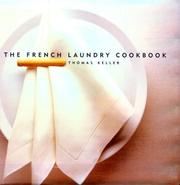
After learning the basics with Pépin, Keller's book raises the standard of precision, plating, and ingredient respect to a professional level — essential for understanding what fine-dining excellence actually demands.
Kitchen Culture — Life on the Line
IntermediateUnderstand the real social structure, hierarchy, pace, and psychology of professional kitchens — the unwritten rules that no technique book teaches but every line cook must navigate.
▸ Study plan for this stage
Pace: 8–10 weeks total: ~2.5–3 weeks per book at roughly 20–25 pages/day. Week 1–3: Kitchen Confidential (307 pp); Week 4–6: Heat (318 pp); Week 7–10: The Making of a Chef (340 pp). Read on weekdays; use weekends for reflection, journaling, and exercises.
- The Brigade System & Kitchen Hierarchy: Bourdain's raw portrait of the chef-owner, sous chef, and line cook pecking order — who holds power, how it is enforced, and why rank is earned through endurance as much as skill.
- Unwritten Codes of Conduct: The implicit rules Bourdain catalogs — showing up, mise en place as a life philosophy, loyalty to the crew, and the stigma of being a 'fish out of water' on the line.
- Immersive Apprenticeship vs. Formal Training: Buford's embedding at Babbo illustrates how real kitchen knowledge is transmitted body-to-body, through repetition and humiliation, not lecture — contrasting sharply with the classroom model Ruhlman later enters.
- The Psychology of Pressure & Flow: All three books depict the adrenaline economy of service — how cooks enter near-trance states, manage fear, and convert chaos into choreography during a rush.
- Mentorship, Ego & the Chef Personality: From Bourdain's larger-than-life mentors to Buford's volatile relationship with Mario Batali and Ruhlman's measured instructors at the CIA, the books collectively map how chef personalities shape — and sometimes warp — those beneath them.
- Kitchen as Subculture: The shared language, dark humor, substance use, physical toll, and tribal identity that bind kitchen crews and separate them from civilian life — a theme Bourdain introduces and Buford and Ruhlman complicate.
- The Gap Between Passion and Profession: Ruhlman's outsider-journalist-turned-student perspective makes explicit what Bourdain and Buford dramatize — the moment romantic notions about cooking collide with the grinding reality of professional production.
- Craft as Identity: How each author's journey reframes cooking not merely as a job skill but as a total identity — a calling that demands physical, emotional, and intellectual surrender.
- After reading Bourdain, Buford, and Ruhlman, how would you describe the unspoken social contract between a line cook and their chef — what is owed, what is expected, and what is never said aloud?
- Bourdain glorifies certain aspects of kitchen culture (toughness, loyalty, mise en place) while Ruhlman's CIA experience presents a more structured, reflective environment. Where do these two visions of professional cooking agree, and where do they fundamentally clash?
- Buford enters Babbo as an adult amateur with no formal training. How does his experience of learning through immersion differ from Ruhlman's formal CIA curriculum, and what does each method reveal about how kitchen knowledge is actually transmitted?
- All three books depict mentors who are brilliant but flawed or even abusive. What does this pattern suggest about the culture of culinary mentorship, and do you think it is an inevitable feature of high-pressure kitchens or a correctable one?
- How does each author use the concept of 'mise en place' — literally and metaphorically — and what does their treatment of it reveal about their broader philosophy of kitchen life?
- By the end of all three books, what are the two or three 'unwritten rules' of kitchen culture that you believe are most critical for a newcomer to internalize before their first day on the line?
- Mise en Place Drill: Before cooking any meal at home this stage, write out a full mise en place list — every ingredient prepped, every tool placed — and time yourself. After service, journal whether the prep changed your mental state during cooking. Repeat weekly and track improvement, as Bourdain insists this habit is the foundation of all professional competence.
- Kitchen Hierarchy Mapping: After finishing Kitchen Confidential, draw a full org chart of a professional kitchen brigade as Bourdain describes it. Annotate each role with its responsibilities, its relationship to the roles above and below it, and one 'unwritten rule' that governs that position. Revisit and revise the chart after each subsequent book.
- Immersion Observation (Shadow a Line): Arrange to observe — or, if possible, stage for even one shift — at a local restaurant kitchen. Before you go, write down five things you expect to see based on the books. Afterward, write down five things that surprised you. Compare your predictions against what Bourdain, Buford, and Ruhlman described.
- Comparative Mentor Analysis: Create a side-by-side character study of the key mentor figures across all three books (e.g., Bourdain's early chef influences, Batali in Heat, the CIA instructors in The Making of a Chef). For each, identify their teaching method, their relationship to ego, and one lesson their mentee took away — intended or not.
- Pressure Simulation Cook: Plan and execute a three-course meal for at least four guests with a hard service deadline. Treat it like a real service: write tickets, call out orders, and hold yourself to plating within a set window. Afterward, journal which psychological dynamics from the books you experienced firsthand — flow, panic, the importance of prep, crew reliance.
- Reflective Reading Journal — 'Would I Last?': After each book, write a one-page honest self-assessment: given everything this book revealed about kitchen culture, what personal strengths would help you survive on the line, and what habits or traits would get you fired or broken? Track how your answer evolves across all three books.
Next up: Having absorbed the human and cultural reality of professional kitchens through lived narrative, the reader is now primed to engage with the technical and business architecture of the culinary world — understanding not just what it feels like to cook professionally, but how great food is systematically built, costed, and sustained.

The canonical insider account of professional kitchen culture; it honestly depicts hierarchy, brigade dynamics, and the physical and mental demands of the job — essential orientation before stepping into a real kitchen.
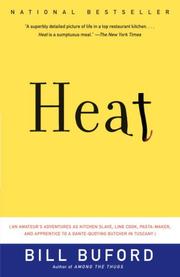
A journalist embeds himself in a professional kitchen and apprentices under Mario Batali and Italian masters; his outsider-turned-insider perspective mirrors the beginner's journey and illuminates the culinary school vs. apprenticeship debate directly.
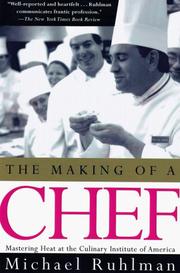
Ruhlman enrolls at the Culinary Institute of America and reports from the inside, giving the clearest available portrait of the formal culinary school route and what it actually teaches versus what it doesn't.
Hospitality Craft — The Human Side of the Profession
ExpertInternalize the philosophy of service, guest experience, and leadership that transforms a skilled technician into a complete culinary professional — the craft where human taste and hands still rule.
▸ Study plan for this stage
Pace: 6–8 weeks total: Weeks 1–3 on "Setting the Table" (~25–30 pages/day, including reflection pauses after each chapter); Weeks 4–6 on "The Soul of a Chef" (~20–25 pages/day, reading more slowly to absorb the narrative portraits); Week 7–8 reserved for review, journaling, and completing exercises.
- Enlightened Hospitality (Meyer): the philosophy of prioritizing staff, guests, community, suppliers, and investors — in that order — as the engine of sustainable restaurant success
- The distinction between Service and Hospitality: service is the technical delivery of a product; hospitality is how that delivery makes the guest feel — a crucial mindset shift for any culinary professional
- Constant, Gentle Pressure (Meyer): the leadership style of setting high standards without aggression, using consistent reinforcement and culture-building rather than fear
- Emotional Intelligence in the Kitchen: reading guests, colleagues, and situations with empathy — understanding that a chef's impact extends far beyond the plate
- The Road to Mastery (Ruhlman): the Certified Master Chef exam as a lens for understanding that true culinary excellence demands relentless self-examination, humility, and the willingness to be broken down and rebuilt
- Identity and Vocation: Ruhlman's portraits of Thomas Keller and Michael Symon reveal how a chef's personal philosophy, obsession, and sense of purpose become inseparable from their food
- Culture as a Competitive Advantage: Meyer's argument that a restaurant's internal culture — its shared values, language, and rituals — is the hardest thing for competitors to copy and the most powerful driver of guest loyalty
- The Complete Culinary Professional: synthesizing technical skill (craft) with emotional generosity (hospitality) and self-aware leadership — the integration that defines this stage's goal
- According to Danny Meyer, why does he place employees at the top of his hospitality hierarchy, above even guests — and what practical consequences does this have for how a kitchen and dining room are run?
- How does Meyer define the difference between service and hospitality, and can you give a concrete example from 'Setting the Table' where a Union Square Hospitality Group team member turned a service failure into a hospitality triumph?
- In 'The Soul of a Chef,' what does Ruhlman argue the Certified Master Chef exam reveals about the psychological and emotional demands of culinary excellence — beyond knife skills and recipes?
- How do the portraits of Thomas Keller and Michael Symon in 'The Soul of a Chef' illustrate two different but equally valid philosophies of what it means to be a great chef? What does each man's approach teach about identity and vocation?
- How do Meyer's concept of 'Constant, Gentle Pressure' and Ruhlman's observations of elite kitchen leadership together form a coherent model of culinary leadership — and how does it differ from the stereotypical 'screaming chef' model?
- After reading both books, how would you articulate your own personal hospitality philosophy in two or three sentences — and which specific passages from each book most shaped it?
- **Hospitality Audit:** Visit two restaurants in one week — one fine-dining, one casual. Using Meyer's service-vs-hospitality framework, take written notes on every guest interaction you observe or experience. Write a one-page report identifying where each establishment delivers hospitality (not just service) and where it falls short.
- **Personal Hospitality Credo:** Draft a 300-word personal hospitality philosophy statement inspired by Meyer's articulation of Enlightened Hospitality. Be specific: name your hierarchy of stakeholders, your non-negotiables, and one hospitality ritual you would implement in your own kitchen or dining room.
- **Leadership Style Self-Assessment:** Reflect on a real situation (in a kitchen, classroom, or team setting) where you gave feedback or direction. Rewrite how you would handle that same situation using Meyer's 'Constant, Gentle Pressure' approach. Compare the two versions in a short journal entry.
- **Chef Portrait Exercise:** Ruhlman profiles chefs by observing them in their natural environment over time. Choose a chef, culinary mentor, or food-service professional you admire and write a 500-word Ruhlman-style portrait — focusing not on their recipes but on their philosophy, habits, and what drives them.
- **The 'Soul' Inventory:** After finishing 'The Soul of a Chef,' write a one-page answer to this question: 'What is the soul of MY culinary practice?' Identify the values, obsessions, and standards that you refuse to compromise — and trace where each one came from.
- **Synthesis Discussion or Essay:** Write a 600-word comparative essay (or hold a structured discussion with a peer) arguing whether Meyer's hospitality-first model and Ruhlman's mastery-first model are in tension or in harmony — using at least two specific passages from each book as evidence.
Next up: By internalizing the philosophy of service, leadership, and professional identity explored in Meyer and Ruhlman, the reader has built the human and ethical foundation needed to engage critically with the business, entrepreneurial, and systemic dimensions of a culinary career in the next stage.
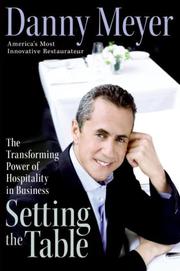
The definitive book on enlightened hospitality from one of America's most successful restaurateurs; it reframes the cook's role within the larger mission of making guests feel genuinely cared for.

Ruhlman's follow-up to his CIA book profiles working chefs at the peak of their craft, exploring what mastery, identity, and creative ownership look like — the right capstone for a learner ready to define their own culinary voice.
Discussion
Keep reading
Paths that share books, cover the same subject, or open a related topic.