The Best Books on Writing Dialogue
This curriculum builds from a solid intermediate foundation in dialogue craft through increasingly nuanced techniques for fiction and screenwriting. Each stage sharpens a specific layer of skill — from the mechanics and rhythm of realistic speech, to subtext and character voice, to the advanced art of silence, conflict, and cinematic dialogue — so that every book prepares the reader to extract maximum value from the next.
Foundations of Craft
IntermediateUnderstand the core principles of how dialogue functions on the page — what it must do, what it must never do, and how it differs from real speech — building a shared vocabulary for everything that follows.
▸ Study plan for this stage
Pace: 4–5 weeks, ~25–30 pages/day (approximately 150 pages in "Story" + 100 pages in "Dialogue")
- Dialogue as action, not mere conversation—how it must move plot, reveal character, and create subtext rather than replicate real speech
- The principle of compression and selectivity—dialogue strips away the filler, repetition, and hesitation of natural speech to serve narrative purpose
- Subtext as the invisible layer beneath dialogue—what characters don't say is often more important than what they do
- Character voice and distinctiveness—how dialogue reveals personality, background, and psychology through word choice, rhythm, and syntax
- The relationship between dialogue and scene structure—how dialogue functions within McKee's larger framework of scene construction and story architecture
- Exposition through dialogue—techniques for delivering necessary information without creating artificial or 'on-the-nose' exchanges
- Conflict and tension in dialogue—how disagreement, evasion, and competing objectives create dramatic engagement
- How does dialogue function as action rather than mere conversation, and what must it accomplish in a scene?
- What are the key differences between how people actually speak and how dialogue should be written for narrative effect?
- What is subtext, and why is it essential to effective dialogue?
- How can a writer use dialogue to reveal character, background, and psychology without resorting to exposition or 'on-the-nose' writing?
- What role does conflict and competing objectives play in creating compelling dialogue exchanges?
- How do you deliver exposition or necessary information through dialogue while maintaining authenticity and dramatic tension?
- Transcribe a real conversation (5–10 minutes) and then rewrite it as narrative dialogue, removing filler, repetition, and hesitation while preserving the essential meaning and conflict
- Write three versions of the same scene: one with purely functional dialogue, one with heavy-handed exposition, and one with subtext and implication—compare and analyze
- Create a character profile for two characters with distinct backgrounds, education levels, and speech patterns, then write a 1–2 page dialogue scene between them that reveals these differences through voice alone
- Take a scene from one of the assigned books and identify every instance of subtext—what is each character really saying beneath their words, and what are they avoiding?
- Write a scene where two characters have conflicting objectives (one wants to leave, one wants to stay; one wants honesty, one wants to protect) and let the dialogue emerge from this tension without stating the conflict explicitly
- Rewrite an expository passage (backstory, explanation, or necessary information) as dialogue between two characters who have natural reasons to discuss it, ensuring it feels earned rather than forced
Next up: This stage establishes the foundational principles and shared vocabulary of dialogue craft, enabling you to move into the next stage with a clear understanding of what dialogue must accomplish—preparing you to apply these principles to specific genres, contexts, and advanced techniques.
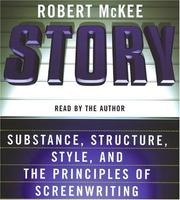
McKee's rigorous framework for scene construction and dramatic value shifts gives the reader a structural lens through which all dialogue can be understood — dialogue is action, not decoration. Reading this first grounds every later technique in narrative purpose.
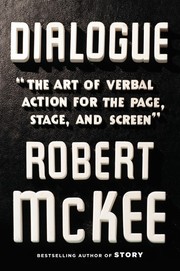
McKee's dedicated book on dialogue is the most comprehensive craft-focused treatment of the subject available, covering the gap between written and spoken language, subtext, and the three levels of conflict. It belongs early because it establishes the full map of the territory.
Voice, Character & Authenticity
IntermediateLearn to give each character a distinct, authentic voice and to write dialogue that reveals character under pressure, so that readers can identify who is speaking without a dialogue tag.
▸ Study plan for this stage
Pace: 4–5 weeks, ~25–30 pages/day. Start with Gardner's chapters on character and dialogue (~1.5 weeks), then move to Burroway's dialogue and characterization sections (~1.5 weeks), with 1 week for review and integration exercises.
- Dialogue as a window into character psychology and emotional state, not just plot delivery (Gardner's emphasis on 'showing' through speech)
- The relationship between a character's voice and their background, education, class, region, and trauma (Burroway's sociolinguistic approach)
- How pressure and conflict force authentic character voice to emerge—characters reveal themselves through what they say and don't say under stress
- Subtext: the gap between what characters say and what they mean, and how skilled dialogue exploits this tension
- Dialogue tags and attribution as minimal tools—learning when to omit them because voice alone identifies the speaker
- The musicality and rhythm of individual speech patterns: sentence length, vocabulary, syntax, and cadence as fingerprints of character
- Dialogue as action: how characters use speech to manipulate, defend, seduce, or resist—not as exposition
- Revision and ear-training: reading dialogue aloud to test authenticity and distinctiveness
- How does Gardner distinguish between dialogue that merely conveys information and dialogue that reveals character? What examples does he provide?
- According to Burroway, what sociolinguistic factors shape a character's voice, and how do you embed these into dialogue without resorting to caricature or dialect?
- What is subtext in dialogue, and how do you create it so that readers understand what a character really means beneath their words?
- How can you write dialogue that identifies a character without using a dialogue tag? What specific vocal markers make this possible?
- What does it mean to write dialogue 'under pressure,' and why is conflict essential to authentic character voice?
- How do you revise dialogue to ensure each character has a distinct rhythm, vocabulary, and syntax? What techniques do Gardner and Burroway recommend?
- Close-read 3–4 dialogue passages from published fiction (suggested by Gardner or Burroway) and annotate them for: subtext, character markers (vocabulary, syntax, rhythm), and what each line reveals about psychology or conflict. Write a one-page analysis of how voice alone identifies speakers.
- Write a 500-word scene between two characters in conflict where neither speaker uses a dialogue tag. Test it by reading aloud: can a reader identify who is speaking based on voice alone? Revise until the answer is yes.
- Take a single line of dialogue (e.g., 'I'm fine') and write it 6–8 different ways, each revealing a different character's emotional state, background, or relationship to the listener. Reflect on what changes (vocabulary, syntax, punctuation, rhythm).
- Rewrite a flat, exposition-heavy dialogue scene from your own work (or create one) using Gardner's principle of 'showing' character through speech. Remove all direct statements of emotion or motivation; let dialogue and subtext carry them.
- Record yourself reading aloud a dialogue scene you've written, then listen back. Note where the rhythm feels inauthentic, where voices blur, or where you can't hear the character's distinct 'sound.' Revise based on what your ear tells you.
- Write two versions of the same conversation: one where characters say what they mean directly, and one where subtext and pressure force them to speak indirectly. Compare and analyze which feels more authentic and why.
- Create a character voice inventory: choose 3–4 characters from your work-in-progress and document their distinct speech patterns (favorite words, sentence length, syntax quirks, what they avoid saying). Use this as a reference while revising dialogue.
- Dialogue transplant exercise: take a scene you've written and swap the dialogue between two characters without changing the words. Does it still work? If not, revise each character's lines until their voice is so distinct that swapping them breaks the scene.
Next up: This stage equips you to write dialogue that reveals character authentically, preparing you to move into the next stage where you'll learn to orchestrate multiple voices in complex scenes, manage dialogue pacing and rhythm across longer sequences, and use dialogue strategically to advance plot while maintaining character integrity.
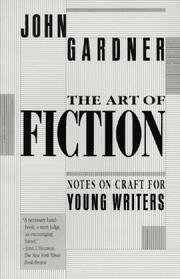
Gardner's deep treatment of fictional dream, psychic distance, and character consciousness directly shapes how a writer hears a character's voice before putting words in their mouth. His chapter on dialogue is essential for fiction writers.
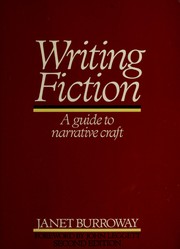
Burroway provides clear, practical exercises on rendering authentic speech and differentiating character voices, building directly on Gardner's more philosophical foundation with hands-on application.
Subtext, Silence & What Goes Unsaid
IntermediateMaster the art of subtext — writing dialogue where the real meaning lives beneath the surface — and understand how what characters do NOT say is as powerful as what they do.
▸ Study plan for this stage
Pace: 2–3 weeks, ~40–50 pages/day, with daily reflection and dialogue writing practice
- Subtext as the gap between what characters say and what they mean or feel
- How silence, pauses, and interruptions convey emotion and conflict more powerfully than exposition
- Character-centered dialogue that reveals personality, desire, and internal contradiction through speech patterns and word choice
- The role of conflict and tension beneath surface-level conversation
- How what remains unspoken drives plot and deepens relationships between characters
- Using dialogue to show character psychology without direct explanation or narration
- What is subtext, and why is it more effective than having characters directly state their feelings or intentions?
- How can silence, pauses, and incomplete sentences function as dialogue in a screenplay?
- What techniques does Horton recommend for embedding character psychology into dialogue without exposition?
- How does conflict operate beneath the surface of seemingly casual or polite conversation?
- What is the relationship between a character's speech patterns and their inner emotional state?
- How can you write dialogue where what is NOT said is as important as what IS said?
- Rewrite a scene of direct, on-the-nose dialogue (where characters state their feelings plainly) into subtext-rich dialogue where the real conflict lives beneath the surface
- Write a two-character scene where one character is lying or hiding something; use only dialogue and stage directions to reveal the deception without stating it
- Practice writing dialogue with strategic pauses, interruptions, and silence; mark where characters trail off or change the subject, and explain what emotion or avoidance each moment conveys
- Analyze a scene from a published screenplay (or film) that Horton references; identify the subtext and explain what each character actually wants versus what they claim to want
- Write a scene where two characters discuss a neutral topic (weather, plans, logistics) but the real conversation is about something unspoken (resentment, attraction, fear); make the subtext clear to the reader without stating it
- Record yourself or a partner reading a dialogue scene aloud; listen for where the subtext lands and where it falls flat, then revise based on what you hear
Next up: This stage equips you to write dialogue where meaning operates on multiple levels, preparing you to layer complexity into character interactions and move toward mastering how dialogue serves plot, theme, and emotional truth in longer narratives.
Horton examines how character interiority drives every line of spoken dialogue, reinforcing the subtext principle with a screenwriting lens that is equally applicable to prose fiction.
Screenwriting & Cinematic Dialogue
ExpertApply dialogue craft to the specific demands of the screenplay format, where dialogue must do more work with fewer words, and learn from the masters of cinematic speech.
▸ Study plan for this stage
Pace: 4–5 weeks, ~25–30 pages/day. Start with Goldman's narrative-driven insights (1–2 weeks), then move to Field's structural framework (2–3 weeks), with overlap for comparative analysis and script work.
- Dialogue as action: how cinematic dialogue reveals character, advances plot, and creates subtext without exposition (Goldman's emphasis on 'what's really being said')
- The economy of words: screenwriting demands compression—every line must earn its place visually or emotionally, unlike novelistic dialogue
- Subtext and the unspoken: mastering what characters don't say, using pauses, interruptions, and visual cues to convey meaning
- Three-act structure as dialogue scaffold: Field's framework for how dialogue functions differently in setup, confrontation, and resolution
- Character voice and distinctiveness: crafting recognizable speech patterns that differentiate characters in a visual medium with limited page space
- Dialogue vs. exposition: avoiding the 'talking heads' trap—learning when dialogue should carry information and when visuals or action should
- Rewriting and cutting: Goldman's war stories about script revision and the discipline of removing lines that don't serve the scene
- Genre-specific dialogue demands: how dialogue shifts across comedy, drama, thriller, and other screenplay genres
- What does Goldman mean by dialogue that 'does something' rather than just conveys information, and how does this differ from dialogue in prose fiction?
- How does Field's three-act structure shape where and how dialogue functions most effectively in a screenplay?
- What is subtext, and how do you create it in screenplay dialogue without relying on narrative exposition?
- Why does Goldman emphasize cutting dialogue, and what are the practical consequences of over-writing dialogue in a screenplay?
- How do you make each character's voice distinct and recognizable within the constraints of a screenplay format?
- What are the key differences between dialogue that works on the page versus dialogue that works on screen, according to these authors?
- Read a scene from Goldman's examples in *Adventures in the Screen Trade* and identify what each line of dialogue accomplishes—does it reveal character, advance plot, create conflict, or establish subtext? Annotate.
- Take a scene from a published screenplay (referenced or discussed in either book) and rewrite it with 30% fewer lines while preserving all essential information and character voice.
- Write a 2–3 page dialogue-heavy scene (no action lines) between two characters with conflicting goals, then rewrite it using Field's three-act structure principles—how does the dialogue shift in setup vs. confrontation vs. resolution?
- Analyze a film scene (5–10 minutes) that exemplifies cinematic dialogue economy: transcribe the dialogue, note what's unsaid, and explain how visuals/performance carry meaning that words don't.
- Write three versions of the same expository moment (e.g., one character telling another about a past event): one as novelistic dialogue, one as a screenplay with dialogue only, and one using visual storytelling instead. Compare.
- Rewrite a scene from your own work or a published screenplay, focusing on subtext: add pauses, interruptions, deflections, and silences that reveal what characters really want without stating it directly.
Next up: This stage equips you with the structural and craft foundations of cinematic dialogue; the next stage will likely deepen your ability to apply these principles across specific genres, longer narrative arcs, or collaborative production contexts.

Goldman's insider account of professional screenwriting is filled with annotated script pages and candid analysis of dialogue decisions — a masterclass in economy and wit from one of Hollywood's greatest writers.
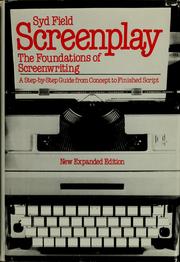
Field's foundational screenwriting text provides the structural scaffolding within which cinematic dialogue operates, ensuring the reader understands format, scene beats, and pacing before tackling advanced dialogue revision.
Advanced Mastery & Revision
ExpertDevelop a professional-level editorial eye for dialogue — knowing when to cut, when to compress, and how to revise dialogue until every line earns its place on the page.
▸ Study plan for this stage
Pace: 4–5 weeks, ~25–30 pages/day, with 2–3 revision projects running in parallel
- Self-editing fundamentals: identifying what serves the story vs. what merely fills space
- Dialogue-specific revision techniques: eliminating tags, cutting exposition, tightening exchanges
- The principle of 'earning your lines': every piece of dialogue must advance plot, reveal character, or deepen conflict
- Compression strategies: combining information, removing redundancy, and cutting filler words from speech
- Rhythm and pacing in dialogue: how sentence length, interruptions, and white space control reader experience
- Revision layers: structural dialogue issues vs. line-level polish and authenticity
- Professional editorial standards: what separates amateur dialogue from publication-ready prose
- What is the difference between dialogue that advances a story and dialogue that merely fills space, and how do you identify which is which in your own work?
- What are the main self-editing techniques Bell recommends for tightening dialogue, and how would you apply them to a scene with excessive exposition or tags?
- How do you use compression and cutting to improve dialogue pacing without losing character voice or essential information?
- What does it mean for a line of dialogue to 'earn its place' on the page, and what are three criteria you'd use to evaluate whether a line meets that standard?
- How do rhythm, sentence structure, and white space contribute to dialogue effectiveness, and what revisions would you make to improve these elements?
- What are the most common dialogue mistakes Bell identifies, and how would you systematically catch and fix them in your own manuscript?
- Revision audit: Take a scene from your manuscript with 8–10 lines of dialogue. Mark every line that advances plot, reveals character, or deepens conflict. Cut or compress everything else. Rewrite and compare.
- Tag elimination drill: Rewrite a 500-word dialogue scene using only dialogue and action beats—zero dialogue tags. Then selectively add back only the tags that are truly necessary for clarity.
- Compression challenge: Take a 300-word dialogue exchange and reduce it to 150 words without losing essential information, character voice, or conflict. Identify what you cut and why.
- Rhythm mapping: Select a published dialogue scene you admire. Map the sentence lengths, interruptions, and pauses. Then apply similar patterns to one of your own scenes.
- Dialogue autopsy: Identify three weak dialogue passages in your manuscript. For each, diagnose the problem (exposition dump, redundancy, weak tags, etc.) and revise using Bell's techniques.
- Professional polish pass: Take a complete scene and perform a multi-layer revision: first structural (does each line earn its place?), then line-level (tags, rhythm, compression), then authenticity (does it sound like real speech without being realistic?).
Next up: This stage equips you with the editorial discipline and technical precision to recognize and fix dialogue problems at every level, preparing you to either apply these skills to a full manuscript revision or move into specialized dialogue work (such as writing dialogue for specific genres or character types).
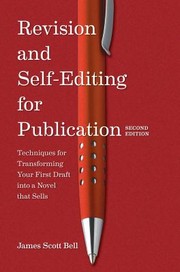
Bell's revision-focused approach closes the curriculum by teaching the writer to audit their own dialogue with a professional eye — cutting on-the-nose lines, sharpening conflict, and ensuring every exchange advances character or plot.
Discussion
Keep reading
Paths that share books, cover the same subject, or open a related topic.