Homemade ice cream: the best books to churn perfect frozen treats
This curriculum takes a beginner from zero ice cream knowledge to confident, technique-driven mastery — covering custard bases, churning science, no-churn methods, gelato, and sorbet. Each stage builds on the last: first you learn to cook and taste like a dessert maker, then you master core ice cream technique, and finally you dive into the science and artisan craft that unlock truly professional results.
Foundations: Dairy, Sugar & Cold Dessert Basics
BeginnerUnderstand fundamental kitchen skills, how dairy and sugar behave, and get your first successful batch of ice cream made — with or without a machine.
▸ Study plan for this stage
Pace: 4–5 weeks, ~25–30 pages/day. Start with "Perfect Scoop" (weeks 1–2.5), then move to "Hello, my name is ice cream" (weeks 2.5–5). Allow 2–3 days between books for your first hands-on batch.
- How dairy proteins and fats emulsify and stabilize ice cream structure, and why different dairy sources (cream, milk, custard) produce different textures
- Sugar's role in lowering freezing point, controlling ice crystal formation, and balancing sweetness with mouthfeel
- The science of churning: how agitation prevents large ice crystals and incorporates air for smooth, creamy texture
- Custard-based vs. Philadelphia-style (no-cook) ice cream methods and when to use each
- Flavor extraction and infusion techniques: steeping, tempering, and balancing intensity without overpowering dairy
- Machine vs. hand-churning methods, equipment options, and how to troubleshoot common failures (grainy texture, too hard, won't freeze)
- How to taste, adjust, and iterate on recipes to develop your palate and understand ingredient ratios
- Why does custard-based ice cream feel smoother than Philadelphia-style, and what role do egg yolks play in emulsification?
- How does sugar concentration affect both the freezing point and the final texture of ice cream, and what happens if you use too little or too much?
- What is the difference between churning and still-freezing, and why does constant agitation prevent large ice crystals from forming?
- Describe two methods for infusing flavor into ice cream (e.g., steeping cream, tempering chocolate) and explain why timing and temperature matter
- What are the main advantages and limitations of hand-churning versus machine-churning, and when would you choose one over the other?
- If your ice cream turns out grainy or icy, what went wrong, and how would you adjust your recipe or technique next time?
- Make your first batch using Lebovitz's basic vanilla custard recipe from 'Perfect Scoop' with an ice cream machine; document texture, flavor, and any issues
- Prepare a Philadelphia-style (no-cook) ice cream from 'Perfect Scoop' and compare its texture and ease to your custard batch—note the differences in mouthfeel
- Hand-churn a small batch of ice cream using the ice-and-salt method (or freezer method) described in either book; experience the physical effort and observe how agitation affects texture in real time
- Steep two different flavoring ingredients (e.g., vanilla bean, fresh mint, or coffee) in cream or milk following Cree's guidance in 'Hello, my name is ice cream'; taste the infusions before and after to understand extraction
- Make a batch where you deliberately adjust sugar content by 10–15% (either up or down) from a recipe; freeze and compare texture, sweetness, and hardness to the original
- Troubleshoot a failed batch: if your first attempt is grainy, too hard, or won't freeze, identify the likely cause using Lebovitz's troubleshooting section and remake it with one targeted change
Next up: Mastering these foundational techniques and understanding how dairy, sugar, and cold interact will equip you to explore advanced flavor development, specialty ingredients (stabilizers, mix-ins, sorbets), and creative recipe design in the next stage.
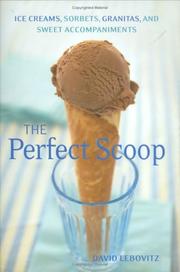
The single best starting point for homemade ice cream: clear, approachable recipes covering custard bases, no-churn options, sorbets, and gelato. It builds essential vocabulary (overrun, base, mix-ins) you'll need for every later book.

Introduces the 'why' behind texture and smoothness in plain language, teaching you how ingredients like stabilizers and fat affect the final scoop — the perfect bridge from recipe-follower to informed maker.
Custards & Technique: Cooking the Base
BeginnerMaster egg-based custards (crème anglaise), understand how heat transforms a base, and apply classical pastry technique to ice cream production.
▸ Study plan for this stage
Pace: 4–5 weeks, ~25–30 pages/day. Start with Saffitz's custard fundamentals and troubleshooting (1.5 weeks), then move to Pfeiffer's classical technique and precision methods (2–3 weeks), with overlap for hands-on practice throughout.
- Emulsification: how egg yolks stabilize fat and liquid into a smooth custard base
- Temperature control: the critical window (160–180°F) where proteins coagulate without scrambling
- Tempering technique: gradually raising egg temperature to prevent curdling
- Crème anglaise as the foundation: mastering this single custard unlocks dozens of ice cream flavors
- Starch vs. starch-free custards: when to use cornstarch or flour for stability and texture differences
- Pastry precision: measuring by weight, understanding ratios, and why consistency matters in ice cream production
- Heat transfer and timing: how different cooking methods (double boiler, direct heat, bain-marie) affect results
- What is the science behind tempering eggs, and why is it essential when making custard-based ice cream?
- At what temperature does egg custard reach food safety and proper texture, and what happens if you exceed it?
- How do you troubleshoot a broken or curdled custard, and what caused the problem in the first place?
- What is the difference between a starch-thickened custard and a pure crème anglaise, and when would you use each for ice cream?
- How do the ratios of eggs, cream, milk, and sugar affect the final texture and mouthfeel of your ice cream?
- What does Saffitz emphasize about home baker mentality versus professional pastry precision, and how does that apply to custard-making?
- Make a classic crème anglaise (Saffitz's version) from 'Dessert Person,' taste it at different stages, and document how it changes as it cooks
- Deliberately make a broken custard, identify what went wrong, and successfully repair it using Saffitz's troubleshooting guidance
- Prepare three custard bases side-by-side: one pure crème anglaise, one with cornstarch, one with flour; compare texture, mouthfeel, and freezing behavior
- Temper eggs using Pfeiffer's classical method (whisk yolks with sugar, slowly add hot liquid) and compare it to a faster method; note the difference in smoothness
- Weigh all ingredients for a custard recipe rather than measuring by volume; make two batches (one by weight, one by volume) and compare consistency
- Chill a finished custard and taste it cold versus at room temperature; understand how temperature affects flavor perception and how this informs ice cream texture
Next up: This stage builds the rock-solid foundation of custard mastery and precise technique, preparing you to move into flavor development, stabilizers, and advanced bases (such as French vs. Italian meringue methods) in the next stage.

Provides thorough, confidence-building instruction on custards and cooked dessert bases, with clear explanations of technique that directly translate to ice cream making.
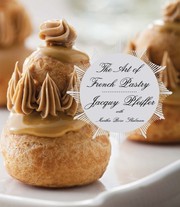
Teaches classical French custard and pastry science with precision — after this book you will understand exactly what is happening in your ice cream base at every temperature, setting you up for advanced work.
Expanding the Repertoire: Gelato & Sorbet
IntermediateDistinguish gelato from ice cream and sorbet from granita, understand how lower fat and different sugar ratios change texture, and produce authentic Italian-style frozen desserts.
▸ Study plan for this stage
Pace: 4–5 weeks, ~40–50 pages/day, focusing on the gelato, sorbet, and frozen dessert sections
- The structural differences between gelato and ice cream: fat content, overrun (air incorporation), and churning speed
- How sugar concentration and type affect freezing point depression and texture in frozen desserts
- The role of stabilizers and emulsifiers in gelato versus sorbet formulations
- Flavor intensity in gelato: why lower fat requires more concentrated flavoring
- Sorbet as a fat-free frozen dessert: sugar ratios, fruit purée balance, and the importance of acidity
- The distinction between sorbet and granita: texture, churning method, and serving temperature
- Robuchon's technique for achieving the characteristic dense, creamy mouthfeel of authentic gelato
- Temperature control and serving practices that preserve gelato's superior texture compared to ice cream
- What are the key differences in fat content, overrun, and churning speed between gelato and traditional ice cream, and how do these affect the final texture?
- How do sugar concentration and type influence freezing point depression, and why is this critical for sorbet production?
- What role do stabilizers and emulsifiers play in gelato versus sorbet, and why are their functions different?
- Why must gelato contain more concentrated flavoring than ice cream, and what techniques does Robuchon recommend to achieve this?
- How do you distinguish between sorbet and granita in terms of texture, preparation method, and serving temperature?
- What temperature and serving practices does Robuchon recommend to preserve gelato's superior mouthfeel and prevent it from becoming icy?
- Make a batch of gelato using Robuchon's recipe and compare it side-by-side with homemade ice cream, noting differences in texture, mouthfeel, and flavor intensity
- Prepare a sorbet using Robuchon's method and taste-test it against a granita made with the same base, documenting the textural and structural differences
- Conduct a sugar-ratio experiment: make three sorbet batches with varying sugar concentrations (following Robuchon's guidance) and measure freezing points and final texture
- Create a flavor-intensity comparison by making gelato and ice cream with identical flavorings, then adjust the gelato recipe to achieve the desired intensity per Robuchon's principles
- Practice tempering and serving gelato at the correct temperature (slightly warmer than ice cream) and observe how this affects mouthfeel and flavor perception
- Prepare both a stabilizer-based gelato and a stabilizer-free version using Robuchon's techniques, comparing texture stability over time in the freezer
Next up: This stage equips you with the technical mastery of gelato and sorbet—understanding how fat, sugar, and technique create distinct textures—preparing you to explore advanced flavor development, dairy alternatives, and contemporary frozen dessert innovations in the next stage.
A focused, authoritative guide to authentic Italian gelato and sorbetto technique, explaining the lower-fat, lower-air philosophy that produces gelato's signature dense, silky texture.

Provides classical French sorbet and glace recipes with rigorous technique, giving you a professional benchmark to compare against Italian gelato traditions and sharpen your palate.
The Science of Smooth: Understanding Ice Cream Physics
IntermediateUnderstand the food science behind ice crystal formation, emulsification, overrun, and stabilizers so you can troubleshoot any batch and design your own recipes from scratch.
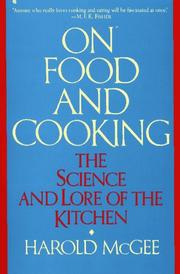
The definitive reference on the science of dairy, sugar, and freezing — reading the relevant chapters here explains exactly why ice crystals form, how emulsifiers work, and what makes a scoop creamy vs. icy.

Applies rigorous experimental thinking to kitchen problems, including frozen desserts; its methodology teaches you to test variables (fat content, sugar type, chilling time) so you can solve texture problems yourself.
Artisan Mastery: Professional & Creative Ice Cream
ExpertThink and work like a professional ice cream maker — balancing custom formulas, using advanced stabilizers, and creating original flavors with total control over texture and taste.
▸ Study plan for this stage
Pace: 4–5 weeks, ~25–30 pages/day, with 2–3 days per week dedicated to hands-on testing and formula development
- Professional ice cream formulas: balancing fat, solids, and water content for optimal texture and mouthfeel
- Advanced stabilizers and emulsifiers: understanding how gums, gelatin, and egg work at a molecular level
- Freezing point depression and overrun: controlling ice crystal formation and air incorporation for desired consistency
- Flavor development and extraction: working with infusions, pastes, and professional flavor compounds
- Temperature control and churning techniques: mastering the equipment and processes that define professional results
- Recipe scaling and reformulation: adapting classic formulas and creating original flavors with precision
- Troubleshooting texture defects: diagnosing and correcting graininess, iciness, and separation issues
- How do you calculate and adjust the fat, solids, and water ratios in an ice cream formula to achieve a specific texture profile?
- What is the role of each major stabilizer and emulsifier in Migoya's formulas, and how do you choose between them for different applications?
- How does freezing point depression affect your churning time and final product, and how do you manipulate it intentionally?
- What techniques does Migoya recommend for extracting maximum flavor from ingredients, and how do you scale these for batch production?
- How do you diagnose and correct common texture problems (graininess, iciness, separation) using formula adjustments and process changes?
- How would you create an original flavor formula from scratch, balancing taste, texture, and professional standards?
- Recreate 3–4 of Migoya's core formulas (e.g., vanilla, chocolate, fruit-based) exactly as written, documenting texture, mouthfeel, and taste; compare results across batches
- Conduct a stabilizer substitution experiment: make the same base formula with different stabilizers (gum, gelatin, egg) and evaluate how each affects texture and mouthfeel
- Create a flavor extraction test: infuse the same base cream with one ingredient using 2–3 different methods (cold infusion, hot infusion, paste) and compare flavor intensity and clarity
- Develop an original flavor formula by selecting a primary flavor, calculating proper fat/solids ratios, choosing stabilizers, and testing at least 2 iterations with adjustments
- Scale one of Migoya's recipes up by 4–5x and document how timing, temperature, and churning parameters change; identify any texture differences from the original batch
- Troubleshoot a deliberately flawed batch: make an ice cream with too little stabilizer or improper churning, diagnose the defect, and reformulate to fix it
Next up: This stage equips you with the technical formulas and troubleshooting mastery to work independently as a professional, preparing you to explore specialized techniques—such as liquid nitrogen freezing, sous-vide infusions, or molecular gastronomy applications—that push beyond traditional churning.

A professional-level Culinary Institute of America textbook covering every category of frozen dessert with formula-based precision — the capstone text that ties together all prior science and technique into a complete, authoritative system.
Discussion
Keep reading
Paths that share books, cover the same subject, or open a related topic.