The Harlem Renaissance was a deliberate movement, a generation of Black writers and artists announcing a new cultural era in 1920s Harlem. Its works were in dialogue, building on shared manifestos and arguments about art, identity, and politics. Reading in order lets you start with the intellectual foundation and then watch the poetry and fiction bloom out of it.
Begin with the ideas that framed the movement, then move to the voices that made it unforgettable.
The foundations
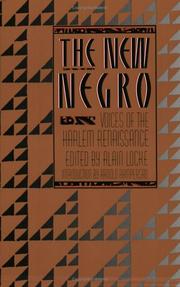
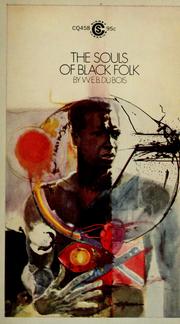
Start with The Souls of Black Folk by W. E. B. Du Bois, the pre-Renaissance work whose idea of double consciousness shaped everything after it. Then The new Negro by Alain Locke, the 1925 anthology that served as the movement's manifesto, gathering its emerging talents and declaring their arrival.
The poets
The Renaissance was above all a poetic flowering. The weary blues by Langston Hughes brings jazz and the blues into verse, and The big sea, his memoir, tells the era from the inside. Color by Countee Cullen offers a more formal, classical voice, while Harlem Shadows by Claude McKay gives you the militant sonnets that galvanized readers.
The novelists
The fiction is where the movement's tensions come alive. Home to Harlem by Claude McKay captures the street-level vitality of the neighborhood. Passing by Nella Larsen is a taut, subtle novel of racial identity and self-invention. And Their Eyes Were Watching God by Zora Neale Hurston, along with her memoir Dust tracks on a road, gives the movement its richest voice, folklore and love and independence in luminous prose.
See it whole
Close with When Harlem was in vogue by David Levering Lewis, the definitive history that sets all these figures in one vivid narrative.
Read in this order, the Renaissance becomes a story with an argument, not just an anthology. Follow the full path to read it through.
Follow the full reading path →
Ready to learn something deeply?
Build a reading path — free