Graphic novels ask you to read words and images at once, a skill that grows with practice. Starting with the densest, most demanding works can be discouraging, which is why order helps. Begin with accessible, warmly told stories to build fluency in the form, then move toward the ambitious literary and political masterpieces that show what comics can do.
Think of this path as a ramp: each book adds a little more complexity in art and storytelling.
Start accessible
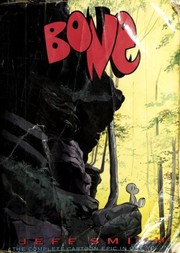
Begin with Smile by Raina Telgemeier, a charming, all-ages memoir that reads effortlessly, and Bone by Jeff Smith, an epic adventure that balances comedy and grandeur. These teach your eye how comics pace a story without ever feeling like work.
The literary landmarks
Next come the books that made critics take comics seriously. Maus I by Art Spiegelman renders the Holocaust through unforgettable animal allegory and won a Pulitzer. Watchmen by Alan Moore deconstructs the superhero into a dense, layered meditation on power, and his V for Vendetta pairs with it as a starker political fable. Persepolis 1-4 by Marjane Satrapi tells a girlhood in revolutionary Iran in stark black and white, and Fun Home by Alison Bechdel is a literary memoir as intricate as any prose novel.
Go deeper
With your eye trained, take on the most ambitious work. Sandman, Vol. 1: Preludes & Nocturnes by Neil Gaiman launches a sprawling mythic fantasy, Blankets by Craig Thompson is a tender, book-length memoir of first love and faith, and Building stories by Chris Ware pushes the form's formal experiments to their limit.
Read in this order, you build the fluency to enjoy the hardest books rather than bounce off them. Follow the full path to see the medium's whole range.
Follow the full reading path →
Ready to learn something deeply?
Build a reading path — free