Young adult fiction is often dismissed as a marketing category, but it has a real literary lineage, from mid-century breakthroughs to a modern golden age. Reading a well-chosen selection in rough order shows how the genre matured, taking on harder subjects and more diverse voices without losing its urgency and heart. This path moves from the foundational classics to the contemporary standouts.
Start with the books that proved teenagers deserved serious fiction, then watch the genre widen.
The classics
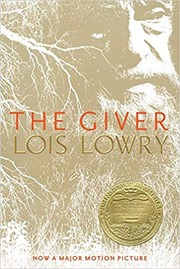
Begin with The Outsiders by S. E. Hinton, written by a teenager and often credited as the first modern YA novel, and The Giver by Lois Lowry, the spare dystopia that made a generation of readers think. Speak by Laurie Halse Anderson then shows YA taking on trauma with unflinching honesty.
The blockbusters
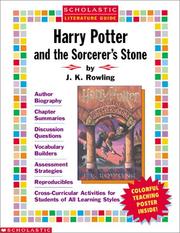
The genre exploded into the mainstream next. Harry Potter and the Sorcerer's Stone by J. K. Rowling turned a generation into readers, and The Hunger Games by Suzanne Collins made dystopia a cultural force. The Fault in Our Stars by John Green brought the emotional realism strand to a huge audience, and The Book Thief by Markus Zusak proved YA could handle history and death with literary ambition.
The modern range
Today's YA is its most diverse and accomplished. The Hate U Give by Angie Thomas confronts police violence and identity, Children of Blood and Bone by Tomi Adeyemi builds an epic fantasy from West African myth, and Aristotle and Dante discover the secrets of the universe by Benjamin Alire Sáenz is a tender coming-of-age story. An ember in the ashes by Sabaa Tahir and I'll Give You the Sun by Jandy Nelson round out the range from fantasy to lyrical contemporary.
Read in this order, you see a genre grow up. Follow the full path to trace its whole arc.
Follow the full reading path →
Ready to learn something deeply?
Build a reading path — free