The best food writing is rarely just about food, it is about hunger, memory, class, and love, with the meal as the way in. Whether you want to write it yourself or simply read the greats, a good order starts with the stylists who set the standard and moves through memoir, reportage, and the science that underpins it all. This path is a tour of the genre's range.
Start with the prose masters, since food writing lives or dies on the sentence.
The masters of the form
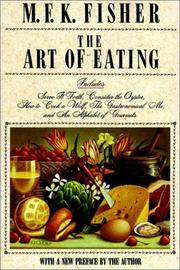
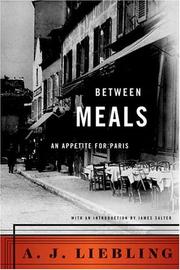
Begin with The art of eating by M. F. K. Fisher, the collected work of the writer who made food a serious literary subject, and Consider the oyster, her slim classic, to see her voice up close. Between meals by A. J. Liebling adds a boisterous, appetite-driven counterpoint from a great reporter. These three teach you what food prose can be.
Memoir and the kitchen
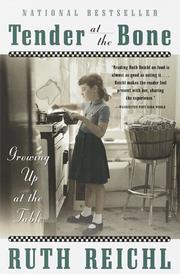
Next, go inside the working kitchen and the writing life. Tender at the bone and Garlic and Sapphires by Ruth Reichl blend memoir with criticism, one growing up in food, the other reviewing in disguise. The Soul of a Chef by Michael Ruhlman and Heat by Bill Buford take you behind the line, into the craft and obsession of professional cooking.
Science and argument
Finally, the books that explain and argue. On food and cooking by Harold McGee is the indispensable reference on the science of what happens in the pan, and The Omnivore's Dilemma by Michael Pollan turns food into a question about how we live. The man who ate everything by Jeffrey Steingarten and An Everlasting Meal by Tamar Adler close the arc with wit and everyday wisdom.
Read in this order, you learn the genre from its stylists to its scientists. Follow the full path to read it through.
Follow the full reading path →
Ready to learn something deeply?
Build a reading path — free