Chocolate and candy making: the best books to temper, mold, and confect
This curriculum takes you from the very basics of chocolate and candy making all the way through professional-level confectionery techniques. Each stage builds on the last — starting with foundational skills and sugar science, moving into chocolate mastery and truffle craft, and finally reaching the advanced artisan level where tempering precision, molded bonbons, and complex confections come together.
Sweet Foundations
BeginnerUnderstand core candy-making concepts — sugar stages, basic chocolate handling, and essential kitchen techniques — so every later recipe makes intuitive sense.
▸ Study plan for this stage
Pace: 4–5 weeks, ~25–30 pages/day. Start with "The Sweet Book of Candy Making" (weeks 1–2), then move to "Candy is Magic" (weeks 3–5) to deepen understanding through narrative and technique refinement.
- Sugar stages (thread, soft ball, firm ball, hard ball, soft crack, hard crack) and how to identify them by temperature and visual cues
- Crystallization: what causes it, how to prevent it (seeding, acid, agitation), and when to use it intentionally
- Chocolate tempering fundamentals—melting, cooling, and working temperatures to achieve snap and shine
- Essential equipment and their proper use: candy thermometer, copper pans, marble slabs, and silicone molds
- Humidity and temperature's role in candy success—why environment matters as much as ingredients
- Basic flavor pairing and ingredient ratios that form the foundation of all candy recipes
- Common failure points in candy making and how to troubleshoot them
- What is the difference between soft ball and firm ball stage, and why does this distinction matter for different candy types?
- Explain the purpose of tempering chocolate and describe the temperature ranges for dark, milk, and white chocolate.
- How do you prevent unwanted crystallization in fondant or fudge, and what role does seeding play?
- Why is a candy thermometer more reliable than the cold-water test alone, and what temperature range corresponds to hard crack stage?
- Describe how humidity affects candy making and what precautions you should take on humid days.
- What are three common candy-making mistakes and how would you correct or prevent each one?
- Make a batch of rock candy or simple syrup and observe sugar dissolution and crystallization patterns over several days.
- Perform the cold-water test for each sugar stage (thread through hard crack) using a candy thermometer to verify temperatures and visual characteristics.
- Temper chocolate using the tabling method or seeding method, then test snap and appearance on cooled samples.
- Make a basic fondant or fudge, intentionally varying one variable (e.g., stirring vs. not stirring, humidity level) to observe how it affects crystallization.
- Prepare three simple chocolate-based candies (e.g., truffles, bark, dipped centers) to practice handling tempered chocolate and building confidence.
- Document a candy-making session with photos and notes on temperature readings, timing, and environmental conditions to develop troubleshooting awareness.
Next up: With sugar stages, chocolate tempering, and core techniques now intuitive, you'll be ready to tackle intermediate recipes that layer these foundations—such as caramels, ganaches, and filled chocolates—where precision and timing become the difference between good and exceptional.
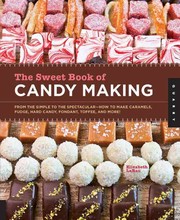
A friendly, well-illustrated beginner's guide covering fudge, caramels, lollipops, truffles, and dipped chocolates. It introduces sugar stages and basic chocolate work without overwhelming the newcomer.

Builds directly on foundational skills with a focus on real-ingredient, small-batch confections. Its clear explanations of caramel, toffee, and chocolate coating prepare the reader for more technical study ahead.
Chocolate Essentials
BeginnerDevelop a solid working knowledge of chocolate — its types, flavor profiles, and the all-important skill of tempering — before moving into specialized confections.
▸ Study plan for this stage
Pace: 4–5 weeks, ~25–30 pages/day, with 2–3 hands-on practice days per week
- The three main types of chocolate (dark, milk, white) and their cocoa butter/cocoa solids ratios
- Flavor profiles and how origin, fermentation, and roasting affect chocolate taste
- The science and technique of tempering: crystal structures (Forms I–VI), why Form V matters, and how to recognize properly tempered chocolate
- Cocoa sourcing and quality indicators: single-origin vs. blended, bean-to-bar principles
- Chocolate melting and working temperatures for different chocolate types
- Common tempering methods: seeding, tabling, and machine tempering
- Troubleshooting: bloom, graininess, and other defects in finished chocolate
- What are the key differences between dark, milk, and white chocolate in terms of composition and flavor potential?
- Why is tempering essential, and what happens to chocolate if it is not properly tempered?
- How do cocoa origin and fermentation influence the flavor profile of finished chocolate?
- What are the six crystal forms of cocoa butter, and why is Form V the only stable one for confectionery work?
- Describe at least two methods for tempering chocolate and explain the advantages and limitations of each
- How do you identify and prevent bloom and graininess in chocolate products?
- What temperature ranges should you maintain when melting and working with different chocolate types?
- Taste and compare at least three single-origin dark chocolates (different cacao percentages and origins) and document the flavor notes, texture, and snap
- Melt chocolate using three different methods (double boiler, microwave, and chocolate melter if available) and compare results for temperature control and quality
- Practice the seeding tempering method with dark chocolate until you can consistently produce a smooth, glossy finish with a clean snap
- Practice the tabling method with milk chocolate, pouring tempered chocolate onto a marble slab and working it with a scraper until it reaches proper working temperature
- Make a batch of simple tempered chocolate discs or bark using the seeding method, then intentionally leave one batch untempered to compare texture, appearance, and snap after 24 hours
- Create a flavor profile chart for 4–5 different chocolates (varying origin, percentage, and type), noting cocoa notes, fruit notes, floral notes, and any off-flavors
Next up: This stage equips you with the foundational knowledge and muscle memory in tempering and chocolate handling that are prerequisites for the specialized techniques in the next stage, where you'll apply these skills to create filled chocolates, ganaches, and other confections.
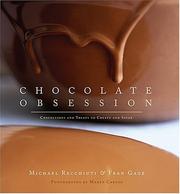
A beautifully focused book on artisan chocolate from a celebrated San Francisco chocolatier. It introduces tempering, ganache ratios, and flavor pairing in an approachable way that bridges beginner and intermediate skill.

Covers the full chocolate-making workflow — tempering methods, molding, enrobing, and ganache — with professional clarity. Reading it after Recchiuti solidifies technique with more systematic detail.
Truffles, Ganaches & Confections
IntermediateMaster the craft of truffles, filled chocolates, and classic confections (caramels, nougats, pâtes de fruit) with a deeper understanding of texture, emulsion, and flavor.
▸ Study plan for this stage
Pace: 4–5 weeks, ~40–50 pages/day, with 2–3 days per week dedicated to hands-on practice
- Ganache emulsion science: fat-water balance, temperature control, and the role of lecithin in stability
- Truffle construction: coating techniques, tempering chocolate shells, and achieving smooth, glossy finishes
- Filled chocolate production: mold work, filling injection, sealing, and quality control for commercial-grade confections
- Caramel chemistry: sugar crystallization, soft-ball to hard-crack stages, and preventing graining through technique
- Nougat structure: whipping egg whites, incorporating nuts and inclusions, and achieving the correct aeration and set
- Pâtes de fruit: pectin gelling, sugar concentration, texture development, and fruit flavor preservation
- Flavor pairing and balance: how to layer flavors in ganaches and confections without overpowering delicate chocolate notes
- Texture contrast: understanding how to combine crisp, chewy, and creamy elements in a single confection
- What is the critical temperature range for ganache emulsification, and why does it matter?
- How do you prevent crystallization in caramel, and what role does acid or fat play in the process?
- Describe the steps for tempering a chocolate shell for truffles and explain why each step affects the final snap and gloss.
- What is the difference between a French ganache, Italian ganache, and a whipped ganache, and when would you use each?
- How do you achieve the correct set in nougat, and what happens if the egg white incorporation is insufficient?
- Explain the role of pectin in pâtes de fruit and how to test for proper gel set without specialized equipment.
- What are the most common defects in filled chocolates (bloom, soft centers, cracked shells), and how do you prevent each?
- How do you balance sweetness, acidity, and cocoa intensity when developing a truffle ganache flavor profile?
- Make a batch of dark chocolate ganache using the 2:1 chocolate-to-cream ratio from Bloom's book; practice tempering the ganache to the correct consistency and piping it into molds.
- Prepare three different caramel batches (soft, medium, and hard crack stages) and document the visual cues and temperature readings; practice preventing crystallization using different techniques (adding butter, corn syrup, or lemon juice).
- Coat hand-rolled truffles using the fork-dipping method and the two-fork technique; practice achieving smooth, even chocolate shells and compare results.
- Temper chocolate using the tabling method (as detailed in Notter's work) and use it to create a batch of filled chocolates; assess snap, gloss, and shell thickness.
- Make a batch of nougat following Bloom's recipe, focusing on proper egg white whipping and nut incorporation; practice cutting and wrapping for presentation.
- Prepare pâtes de fruit using at least two different fruits (e.g., raspberry and apricot); test gel set using the cold-plate method and adjust pectin or sugar as needed.
- Create a ganache flavor experiment: make 4–5 small batches with different flavor additions (vanilla, liqueur, spice, citrus zest) and conduct a blind tasting to evaluate balance and integration.
- Design and execute a filled chocolate production run of at least 20 pieces, documenting mold preparation, filling temperature, sealing, and demolding; identify and troubleshoot any defects.
Next up: This stage builds your technical foundation in chocolate tempering, emulsion control, and precision confection-making, preparing you to advance to specialized techniques like chocolate sculpture, advanced molding, or artisanal production scaling.
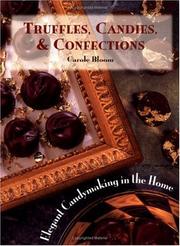
A comprehensive, technique-driven reference on truffles and confections that explains the 'why' behind each step. Its systematic approach to ganache emulsification is essential reading at this stage.

A professional-school-level text from a world-champion chocolatier covering molded bonbons, pralines, and showpiece work. It rewards the reader who has already built solid tempering and ganache skills.
The Science & Mastery of Sugar
IntermediateUnderstand the food science underlying all confectionery — crystallization, water activity, emulsification — so you can troubleshoot, adapt, and create original recipes with confidence.
▸ Study plan for this stage
Pace: 6–8 weeks, ~25–30 pages/day. Start with McGee's relevant chapters (sugars, crystallization, emulsification, water activity) over 3–4 weeks, then move to Rinsky's practical sections over 2–3 weeks, with overlap for experimentation.
- Sugar crystallization: nucleation, growth, and the role of seed crystals, temperature, and agitation in controlling crystal size and texture
- Water activity (aw) and moisture content: how they determine shelf life, texture, and spoilage risk in different confections
- Emulsification and the role of emulsifiers: how fats, proteins, and lecithin stabilize oil-water mixtures in ganaches, fudges, and creams
- Supersaturation and phase diagrams: understanding when syrups crystallize, how to prevent unwanted crystallization, and how to encourage it deliberately
- Hydrocolloids and gelling agents: how gelatin, pectin, and other stabilizers modify texture and set in jellies, marshmallows, and fillings
- Maillard reaction and caramelization: how heat transforms sugar and proteins to create flavor and color in toffees, caramels, and pralines
- Tempering and polymorphism: why chocolate and cocoa butter have different crystal forms and how to achieve stable, glossy finishes
- Explain the difference between nucleation and crystal growth, and how you would adjust temperature and agitation to produce small, fine crystals versus large, grainy ones.
- What is water activity, how is it measured, and why does a fondant with aw of 0.65 stay soft while a hard candy with aw of 0.10 becomes brittle?
- Describe how an emulsifier works at the molecular level, and explain why adding cold cream to warm chocolate can break an emulsion.
- You're making a caramel sauce that crystallizes unexpectedly. Walk through the likely causes (nucleation, supersaturation, impurities) and three strategies to prevent it next time.
- What is the difference between caramelization and the Maillard reaction, and which one dominates when you heat sugar alone versus sugar with milk proteins?
- How would you use a phase diagram or saturation curve to predict whether a sugar syrup at 160°F will crystallize as it cools, and what you'd do to prevent it?
- Read McGee's chapters on sugar, crystallization, and emulsification; create a one-page summary of each with diagrams showing crystal formation, water activity zones, and emulsifier behavior.
- Make three batches of fondant or fudge using different agitation methods (vigorous stirring, minimal stirring, no stirring) and observe crystal size and texture; document with photos and notes on how nucleation and growth differed.
- Prepare a supersaturated sugar syrup, seed it with different crystal types, and observe crystallization rates; plot the results to understand nucleation kinetics.
- Make a chocolate ganache, deliberately break the emulsion by adding cold liquid too quickly, then successfully re-emulsify it by slowly warming and whisking; document what you observe about fat-water interactions.
- Caramelize sugar to different stages (light, medium, dark) and taste the flavor differences; correlate with McGee's explanation of Maillard and caramelization chemistry.
- Create a water activity chart for 5–6 different confections you make (hard candy, fondant, marshmallow, fudge, toffee); measure or estimate aw using Rinsky's guidelines and predict shelf life based on the values.
- Make two batches of marshmallow or jelly—one with gelatin, one with a different hydrocolloid (agar, pectin)—and compare set, texture, and mouthfeel; explain the molecular differences using McGee's framework.
Next up: This stage equips you with the scientific reasoning to diagnose why recipes fail and to modify them confidently; the next stage will apply these principles to master specific confectionery categories (chocolate work, hard candies, caramels, etc.) and develop your signature formulations.
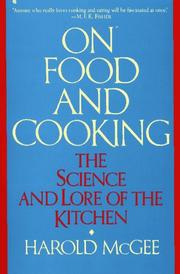
The definitive science-of-food reference. The chapters on sugar and chocolate explain crystallization, tempering physics, and flavor chemistry in a way that transforms intuition into deep understanding.
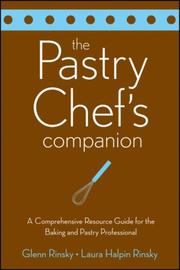
A professional reference encyclopedia of pastry and confectionery terms, ratios, and techniques. Used alongside McGee, it gives the intermediate maker a precise vocabulary and quick-reference framework for any confection.
Artisan Mastery & Advanced Confectionery
ExpertReach a professional, artisan level — executing flawless molded chocolates, complex multi-component confections, and original flavor creations worthy of a boutique chocolate shop.
▸ Study plan for this stage
Pace: 8–10 weeks, ~40–50 pages/day with 2–3 practical lab sessions per week
- Tempering science and technique for stable, glossy chocolate with proper crystal structure (Form V)
- Molded chocolate production: mold selection, filling strategies, sealing, and demolding for professional finish
- Multi-component confection assembly: ganaches, centers, shells, and structural integrity across temperature and humidity
- Flavor development and pairing: balancing cocoa, sugar, fat, and complementary ingredients in original creations
- Coating and enrobing techniques for consistent coverage and aesthetic appeal
- Troubleshooting crystallization, bloom, and texture defects at professional standards
- Advanced sugar work and decoration: isomalt, spun sugar, and hand-finishing for boutique presentation
- Scaling recipes and production workflow for small-batch artisan manufacturing
- What is Form V crystal structure in chocolate, why is it essential, and how do you reliably achieve and maintain it through tempering?
- How do you design and execute a multi-component confection (e.g., ganache-filled molded chocolate) that remains structurally sound and flavorful over 2–3 weeks?
- What are the common defects in molded chocolates (bloom, streaking, incomplete fill) and how do you diagnose and prevent each at production scale?
- How do you develop an original flavor combination that complements cocoa and works across multiple confection formats?
- What are the critical differences between hand-tempering, machine tempering, and tabling, and when is each method appropriate for artisan production?
- How do you balance humidity, temperature, and ingredient ratios to ensure consistent texture and shelf stability in ganache-based confections?
- Execute 10+ batches of tempered chocolate using at least three different methods (seeding, tabling, machine), documenting temperature curves and final gloss/snap to master Form V consistency
- Design and produce a complete 5-piece molded chocolate collection with distinct fillings (ganache, praline, caramel, fruit curd, nut butter), testing demolding and packaging
- Create three original flavor profiles by tasting and pairing cocoa with unexpected ingredients (spice, herb, fermented, floral); develop each into a finished ganache center
- Produce a batch of 50+ hand-finished molded chocolates with consistent weight, appearance, and temper, timing yourself to establish realistic production rates
- Troubleshoot and document three common defects (bloom, air bubbles, incomplete fill) by intentionally creating them, then correcting technique and recording results
- Develop a small-batch production workflow for one signature confection, including recipe scaling, ingredient prep, molding, filling, sealing, and packaging for a 100-piece order
- Execute advanced decoration techniques (hand-piping, isomalt work, or gold leaf application) on at least 20 finished pieces to develop boutique presentation skills
- Conduct a shelf-stability test on three different ganache formulas over 4 weeks, monitoring texture, flavor, and appearance under varying storage conditions
Next up: This stage equips you with the technical mastery and creative confidence to design, produce, and troubleshoot professional-grade confections; the next stage will likely focus on business scaling, flavor innovation, or specialized techniques (e.g., sugar artistry, chocolate sculpture) to differentiate a boutique brand.

Widely considered the definitive professional textbook on the subject, written by a Culinary Institute of America professor. It covers every confection category with rigorous science, precise formulas, and professional production methods — the ultimate capstone for this curriculum.
Discussion
Keep reading
Paths that share books, cover the same subject, or open a related topic.