The Best Books on Jewish Cooking
This curriculum moves from broad cultural and culinary orientation to tradition-specific deep dives, then into advanced technique and regional mastery. Each stage builds on the last — you'll first understand the "why" behind Jewish food, then master the iconic dishes of both Ashkenazi and Sephardi traditions, and finally explore the full complexity of holiday cooking and the modern Jewish kitchen.
Foundations: The Story of Jewish Food
BeginnerUnderstand the cultural, religious, and historical context of Jewish cooking — kashrut, the Jewish calendar, and the two great traditions — before touching a pan.
▸ Study plan for this stage
Pace: 4–5 weeks, ~40–50 pages/day. Start with Roden's introductory chapters (weeks 1–2), then move through her regional sections selectively (weeks 2–3), finishing with Nathan's thematic essays (weeks 4–5).
- Kashrut laws and their practical impact on Jewish cooking techniques and ingredient choices
- The Jewish calendar and how holidays (Passover, Shabbat, Rosh Hashanah, Hanukkah) shape traditional dishes and meal structures
- The two great traditions: Ashkenazi (Eastern European) and Sephardi (Mediterranean/Middle Eastern) cuisines, their distinct flavor profiles and techniques
- How diaspora, migration, and geography created regional variations in Jewish food across communities
- The role of food in Jewish identity, memory, and cultural continuity across generations
- Roden's biographical approach: how individual family stories and personal history illuminate food traditions
- Nathan's framework: how Jewish women navigated assimilation while preserving culinary heritage in America
- What are the core principles of kashrut, and how do they concretely shape what Jewish cooks can prepare and how they prepare it?
- How does the Jewish calendar structure the year's cooking, and what are 3–4 signature dishes tied to major holidays?
- What are the defining characteristics of Ashkenazi versus Sephardi Jewish cooking, and where did each tradition develop?
- How did Jewish immigration and diaspora create distinct regional food cultures (e.g., Moroccan, Iraqi, Polish, Italian Jewish)?
- According to Roden and Nathan, what role does food play in maintaining Jewish identity and transmitting culture within families?
- How did Jewish women in America (as Nathan describes) balance preserving traditional recipes with adapting to new ingredients and assimilation pressures?
- Create a kashrut reference sheet: list the main laws (meat/dairy separation, forbidden animals, Passover restrictions) and write 2–3 examples of how each law changes a cooking decision
- Map the Jewish calendar: mark the major holidays (Passover, Shavuot, Rosh Hashanah, Yom Kippur, Sukkot, Hanukkah, Shabbat) and write down one signature dish Roden or Nathan associates with each
- Comparative tasting notes: choose one dish that appears in both Ashkenazi and Sephardi traditions (e.g., chicken soup, challah, or a vegetable dish) and describe how ingredients, spices, and technique differ between the two versions based on Roden's regional chapters
- Family food interview: talk to a Jewish friend or family member (or research online) about a recipe passed down in their family; document the dish, its origins, and what it means to them—then locate it or a similar version in Roden or Nathan
- Flavor profile comparison: select one Ashkenazi region (e.g., Poland, Russia) and one Sephardi region (e.g., Morocco, Turkey) from Roden; list the characteristic spices, cooking methods, and staple ingredients for each, then identify one dish from each
- Reread Nathan's introduction and one of her thematic chapters; write a one-page reflection on how she uses individual women's stories to illustrate the tension between tradition and American assimilation
Next up: This stage equips you with the cultural and historical scaffolding—understanding *why* Jewish dishes exist and *what they mean*—so that in the next stage you can confidently cook them with intention, knowing the rules, the stories, and the seasons that animate them.
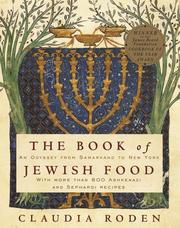
The definitive starting point: a sweeping, deeply researched narrative that covers both Ashkenazi and Sephardi cooking with history, memoir, and recipes. Reading this first gives you the cultural map you'll need for everything that follows.

Nathan traces the Jewish cooking of France — a unique crossroads of Ashkenazi and Sephardi influences — making it an ideal second read to see how the two traditions interact and blend in practice.
Ashkenazi Classics: The Eastern European Table
BeginnerMaster the iconic dishes of the Ashkenazi world — challah, brisket, kugel, matzo ball soup, rugelach — and understand the shtetl and immigrant kitchen that shaped them.
▸ Study plan for this stage
Pace: 4–5 weeks, ~40–50 pages/day, with 2–3 cooking sessions per week
- The historical and cultural roots of Ashkenazi cuisine in Eastern European shtetl life and the immigrant experience
- How ingredient availability, religious observance (kashrut, Shabbat, Passover), and economic constraints shaped Ashkenazi cooking techniques and flavor profiles
- The five foundational Ashkenazi dishes: challah, brisket, kugel, matzo ball soup, and rugelach—their origins, variations, and cultural significance
- The role of fermentation, preservation, and slow-cooking methods in Ashkenazi kitchens as responses to climate and resource limitations
- How Ashkenazi food traditions adapted and evolved during immigration to America, and what was preserved versus transformed
- The connection between Jewish holidays and seasonal cooking practices in Ashkenazi tradition
- Understanding gefilte fish, herring, and other preserved foods as expressions of resourcefulness and cultural identity
- What historical and economic factors shaped the development of Ashkenazi cuisine, and how do these factors explain the prominence of certain ingredients and cooking methods?
- How did religious observance (kashrut laws, Shabbat restrictions, Passover requirements) directly influence the dishes and techniques that became iconic in Ashkenazi cooking?
- What are the origins and cultural significance of the five core Ashkenazi dishes (challah, brisket, kugel, matzo ball soup, rugelach), and how do they reflect the values of Ashkenazi communities?
- How did Ashkenazi food traditions change during immigration to America, and what dishes or techniques remained central to Jewish identity?
- What role did fermentation and preservation play in Ashkenazi kitchens, and how do dishes like gefilte fish exemplify this approach?
- How are Ashkenazi dishes connected to the Jewish calendar and seasonal cycles, and what does this reveal about the relationship between food and religious practice?
- Make challah from scratch (at least twice, experimenting with braiding styles and egg wash variations) while reading about its Shabbat significance in 'The Gefilte Manifesto'
- Prepare matzo ball soup following a recipe from one of the books, then taste and compare it to a restaurant version; journal on texture, broth clarity, and the role of schmaltz
- Braise brisket using a traditional Ashkenazi method, documenting how the slow-cooking technique relates to Shabbat cooking constraints discussed in the texts
- Make rugelach with at least two different fillings (cinnamon-sugar and chocolate-walnut, for example) and reflect on how this pastry represents immigrant adaptation
- Prepare a kugel (noodle or potato) and serve it as part of a Shabbat meal; consider how this dish functions as both comfort food and religious observance
- Make gefilte fish or taste and analyze a store-bought version while reading about its history and cultural meaning in 'Jewish Soul Food'
- Create a tasting menu of preserved/fermented Ashkenazi foods (herring, pickled vegetables, sauerkraut) and connect each to the preservation techniques discussed in the books
- Interview a family member or community elder about their Ashkenazi food memories and traditions; compare their stories to the narratives in Yoskowitz and Gur
Next up: This stage establishes the foundational Ashkenazi vocabulary and techniques that will enable you to explore regional variations within Eastern European Jewish cooking and then expand into Sephardic, Mizrahi, and modern Israeli approaches in subsequent stages.

A modern, accessible guide to reviving Ashkenazi classics from scratch. Its clear technique and ingredient-focused approach makes it the perfect hands-on entry point for the Eastern European tradition.

Gur bridges the old-world Ashkenazi kitchen with the Israeli table, showing how these dishes evolved and live on today — a natural progression after learning the originals.
Sephardi & Mizrahi Traditions: The Mediterranean and Middle Eastern Table
IntermediateExplore the rich, spice-forward cooking of Sephardi and Mizrahi Jews — from shakshuka and couscous to stuffed vegetables and fragrant stews — and understand their distinct holiday customs.
▸ Study plan for this stage
Pace: 8–10 weeks, ~40–50 pages/day. Start with "Plenty" (2 weeks), move to "Jerusalem" (3–4 weeks), finish with "Zaitoun" (2–3 weeks). Allow 1 week for integration and recipe testing.
- The flavor foundations of Sephardi and Mizrahi cooking: pomegranate, sumac, za'atar, preserved lemon, tahini, and warm spices (cinnamon, cumin, coriander)
- How geography and diaspora shaped distinct regional variations—North African, Turkish, Levantine, and Persian influences within Sephardi and Mizrahi traditions
- Vegetable-forward cooking as the backbone of Mediterranean and Middle Eastern Jewish tables, with techniques like roasting, stuffing, and slow-cooking
- The role of spice blends and layered seasoning in creating depth and complexity, contrasting with Ashkenazi cooking traditions
- Holiday and Shabbat customs specific to Sephardi and Mizrahi communities—from Passover couscous to Rosh Hashanah pomegranate symbolism
- The intersection of Jewish dietary laws with local ingredients and cooking methods across the Mediterranean and Middle East
- How personal and family history, displacement, and cultural memory are embedded in recipes and food practices
- Modern approaches to traditional cooking: balancing authenticity with accessibility and contemporary ingredient availability
- What are the signature flavor profiles and spice combinations that define Sephardi and Mizrahi cooking, and how do they differ from other Jewish culinary traditions?
- How did geography, migration, and cultural exchange shape the distinct regional variations within Sephardi and Mizrahi cuisines (e.g., North African vs. Levantine)?
- What role do vegetables play in Sephardi and Mizrahi cooking, and what are the key techniques for preparing them?
- How do Sephardi and Mizrahi communities observe Shabbat and major holidays through food, and what dishes are traditionally associated with these occasions?
- How do preserved ingredients like preserved lemons, pomegranate molasses, and tahini function in recipes, and how can you work with them?
- What is the relationship between Jewish dietary law (kashrut) and the ingredient choices and cooking methods in Mediterranean and Middle Eastern Jewish cooking?
- Cook 3–4 foundational recipes from 'Plenty': shakshuka, a vegetable-forward salad (like charred eggplant), and a simple stew. Document the flavor layers and how spices build complexity.
- Prepare a Shabbat dinner menu using recipes from 'Jerusalem': select a main (e.g., lamb with pomegranate), a vegetable side, and a bread or grain. Reflect on how the meal honors both tradition and Ottolenghi's modern approach.
- Make a preserved lemon and tahini-based dish from either 'Plenty' or 'Jerusalem'. Taste the difference these ingredients make and experiment with substitutions if needed.
- Cook at least two recipes from 'Zaitoun' that highlight Palestinian-Jewish culinary overlap (e.g., a stuffed vegetable dish or a fragrant rice). Research the historical and cultural context of the dish.
- Create a spice blend (za'atar, dukkah, or a warm spice mix) from scratch. Use it in 2–3 different recipes across the three books to understand its versatility.
- Host a tasting menu featuring one dish from each book, inviting others to experience the progression and regional diversity. Discuss the flavors, techniques, and stories behind each dish.
Next up: This stage grounds you in the spice-forward, vegetable-centric foundations of Mediterranean and Middle Eastern Jewish cooking, preparing you to explore how these traditions adapted and evolved in diaspora communities, or how they intersect with other global Jewish culinary practices in subsequent stages.

Ottolenghi's vegetable-forward, Middle Eastern-inflected cooking is the ideal gateway into the flavors and techniques of the Sephardi and Mizrahi kitchen, presented in an approachable, modern way.
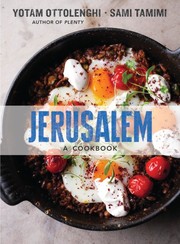
Co-authored with Sami Tamimi, this book places Sephardi and Mizrahi Jewish cooking directly in its geographic and cultural home, deepening your understanding of shakshuka, hummus, and the Israeli-Arab culinary dialogue.

Expands the Levantine pantry and technique set further, giving essential context for the Palestinian and broader Eastern Mediterranean flavors that are inseparable from Sephardi Jewish cooking.
The Holiday Table: Feasts of the Jewish Year
IntermediateCook confidently through the full Jewish calendar — Shabbat, Rosh Hashanah, Passover, Hanukkah, Purim, and more — understanding the symbolism and ritual behind each dish.
▸ Study plan for this stage
Pace: 8–10 weeks, ~40–50 pages/week, with 1–2 cooking projects per week
- The Jewish calendar structure and how each holiday shapes seasonal eating patterns
- Symbolic foods and their meanings across major holidays (Passover, Rosh Hashanah, Hanukkah, Purim, Shabbat)
- How Shabbat observance influences meal planning, timing, and preparation techniques
- Regional and cultural variations in Jewish holiday cooking (Ashkenazi, Sephardi, Mizrahi traditions)
- Ingredient substitutions and adaptations for dietary restrictions while honoring ritual intent
- The connection between agricultural cycles and Jewish holiday foods
- Techniques for advance preparation and make-ahead strategies for holiday entertaining
- What are the key symbolic foods for Rosh Hashanah, Passover, and Hanukkah, and what does each symbolize?
- How does Shabbat observance shape cooking techniques and meal timing, and what dishes are traditionally prepared in advance?
- What are the main differences between Ashkenazi and Sephardi approaches to holiday cooking, and can you give examples from at least two holidays?
- How do you adapt a traditional Jewish holiday recipe for a dietary restriction (gluten-free, dairy-free, or vegetarian) while maintaining its ritual significance?
- What is the agricultural or historical reason behind eating specific foods during particular holidays?
- How would you plan and prepare a multi-course holiday meal (Passover Seder or Rosh Hashanah dinner) using make-ahead techniques?
- Cook a complete Shabbat dinner (challah, soup, main, side, dessert) using make-ahead techniques; time yourself to understand realistic prep windows
- Prepare a Passover Seder plate and cook 3–4 dishes from the Seder meal, researching the symbolism of each component
- Make charoset in at least two regional variations (Ashkenazi and Sephardi) and compare flavors and techniques
- Cook a Rosh Hashanah menu featuring symbolic foods (apple and honey, pomegranate, round challah); document why each dish appears
- Prepare Hanukkah latkes or sufganiyot and experiment with one traditional and one creative variation
- Plan a full holiday menu for one major holiday, including shopping list, prep timeline, and make-ahead strategy; execute at least 60% of it
- Interview a family member or friend about their holiday cooking traditions and adapt one of their recipes using Saltsman's techniques
Next up: This stage gives you the calendar-based foundation and ritual understanding needed to move into advanced territory—whether that's mastering regional cuisines in depth, exploring contemporary Jewish cooking innovation, or developing your own signature holiday menus with confidence.

Organizes Jewish cooking by the agricultural and liturgical calendar, connecting holiday dishes to their seasonal ingredients and giving the learner a full-year framework for Jewish feasting.
Mastery: The Modern Jewish Kitchen
ExpertSynthesize Ashkenazi, Sephardi, and Israeli influences into a confident, creative personal cooking practice, understanding how Jewish food continues to evolve in the 21st century.
▸ Study plan for this stage
Pace: 8–10 weeks, ~40–50 pages/day with 2–3 recipe testing sessions per week
- Israeli cuisine as a living synthesis of Mediterranean, Middle Eastern, and diaspora Jewish traditions, not a fixed canon
- How Solomonov's restaurant philosophy (ingredient-driven, seasonal, technique-focused) translates to home cooking and personal creativity
- The role of spice, technique, and ingredient sourcing in bridging Ashkenazi, Sephardi, and Israeli food cultures
- Joan Nathan's approach to documenting Jewish food as cultural memory and identity across geographies and generations
- Practical mastery of foundational Israeli and Mediterranean techniques (roasting, fermentation, preservation, bread-making) that enable improvisation
- How to read a recipe as a template for understanding flavor principles rather than a rigid formula
- The evolution of Jewish food in the 21st century: diaspora influence on Israeli cuisine and vice versa
- Building a personal cooking voice by understanding the 'why' behind traditional techniques and ingredients
- How does Solomonov's approach to ingredient selection and seasonality differ from traditional Ashkenazi cooking, and how can you apply this philosophy to your own kitchen?
- What are the core techniques Zahav emphasizes, and how do they reflect Israeli cuisine's synthesis of Mediterranean and Middle Eastern influences?
- How does Joan Nathan use food history and personal narrative to explore Jewish identity across different communities, and what does this teach you about the relationship between food and culture?
- Identify three recipes from each book that exemplify the bridge between traditional Jewish cooking and modern Israeli cuisine—what makes them transitional?
- How has Jewish food evolved in the 21st century according to these authors, and what role do diaspora communities play in that evolution?
- What is your personal cooking philosophy after reading these books, and how does it synthesize Ashkenazi, Sephardi, and Israeli influences?
- Cook 3–4 recipes from Zahav, focusing on one technique per recipe (e.g., roasting vegetables, making labneh, preparing a spice blend). Document how the technique could be adapted to other ingredients.
- Prepare 2–3 recipes from King Solomon's Table that explicitly connect to a specific diaspora community (Moroccan, Turkish, Iraqi, etc.). Research the historical context of that community and note how Nathan frames the recipe's cultural significance.
- Create a 'technique translation' document: choose one foundational technique from Zahav (e.g., charring, fermenting, emulsifying) and apply it to three different ingredients or dishes, experimenting with variations.
- Host a tasting meal using 4–5 recipes split between the two books, arranged to show the progression from traditional to modern Israeli. Invite others and discuss how the meal tells a story of Jewish food evolution.
- Write a 500-word personal recipe essay on one dish you've cooked from either book: explain the technique, its cultural roots (drawing on Nathan's historical framing), and how you'd modify it to reflect your own taste or available ingredients.
- Conduct a side-by-side comparison: choose one ingredient or dish that appears in both books (or in similar form) and analyze how Solomonov and Nathan each approach it differently. What does this reveal about modern vs. historical perspectives?
Next up: This stage equips you with both the technical mastery and cultural literacy to confidently create original Jewish dishes, setting the foundation for the next stage where you'll develop your own signature recipes and teaching voice within the broader Jewish culinary tradition.

A James Beard Award–winning masterwork that weaves together the full tapestry of Israeli cooking — Ashkenazi, Sephardi, Mizrahi, and Arab — with advanced technique and deeply personal storytelling.

Nathan's most ambitious book traces Jewish recipes across the entire diaspora, from Morocco to Mumbai to Manhattan — the ideal capstone that rewards all the cultural and culinary knowledge built across the curriculum.
Discussion
Keep reading
Paths that share books, cover the same subject, or open a related topic.