Mediterranean cooking: the best books to eat well and cook simply
This curriculum takes a beginner from the core philosophy and pantry of Mediterranean cooking through its essential ingredients — olive oil, vegetables, seafood, and grains — and finally into the deeper regional traditions that make the cuisine so rich and varied. Each stage builds on the last: first you learn to think like a Mediterranean cook, then you master the key ingredients and techniques, and finally you explore the regional depth that turns everyday meals into something truly special.
Foundations: The Mediterranean Mindset & Pantry
BeginnerUnderstand the philosophy, key ingredients, and simple cooking logic that underpin all Mediterranean food — olive oil, fresh produce, legumes, and grains as everyday staples.
▸ Study plan for this stage
Pace: 4–5 weeks, ~25–30 pages/day. Week 1–2: Complete Mediterranean Cookbook (introduction + ingredient chapters). Week 3: Complete Mediterranean Cookbook (technique & foundational recipes). Week 4–5: My Greek Table (philosophy + core recipes).
- The Mediterranean philosophy: simplicity, seasonality, and respect for ingredients as the foundation of all cooking in this region
- Olive oil as the primary fat and flavor base—understanding quality grades, tasting profiles, and when to use extra-virgin vs. regular oil
- The Mediterranean pantry staples: dried legumes (chickpeas, lentils, beans), whole grains (farro, bulgur, rice), canned tomatoes, and preserved ingredients as the backbone of everyday meals
- Fresh produce as the star of the plate—how to select, store, and cook vegetables and fruits at peak season to maximize flavor
- The Greek table tradition (from Kochilas): the role of family, community, and regional variation in Mediterranean eating, and how Greek cuisine exemplifies core Mediterranean principles
- Basic cooking techniques that honor ingredients: gentle sautéing, slow simmering, roasting, and the importance of proper seasoning and balance
- How to build flavor through layering simple ingredients rather than complex techniques or heavy sauces
- What is the Mediterranean philosophy, and how does it differ from other cooking approaches in terms of ingredient selection and preparation?
- Describe the characteristics of quality olive oil and explain when you would use extra-virgin oil versus regular olive oil in cooking.
- Name at least five pantry staples essential to Mediterranean cooking and explain why each one is important to have on hand.
- How does seasonality influence Mediterranean cooking, and what does it mean to cook 'in season'?
- What are the defining characteristics of Greek cuisine as presented in My Greek Table, and how do they reflect broader Mediterranean principles?
- Explain the role of family and community meals in the Mediterranean food tradition, and how this shapes the way food is prepared and eaten.
- Create a Mediterranean pantry inventory: stock your kitchen with at least 8–10 core staples from the books (olive oil, legumes, grains, canned tomatoes, etc.) and taste/compare at least two different olive oils to understand quality differences.
- Prepare three foundational recipes from The Complete Mediterranean Cookbook (one vegetable-forward, one legume-based, one grain-based) and journal about how the recipes embody the philosophy of simplicity and ingredient respect.
- Cook two recipes from My Greek Table that emphasize family or regional tradition, and reflect on how the preparation method and ingredient choices connect to the Mediterranean mindset described in both books.
- Visit a farmers market or seasonal produce section and select 5–6 vegetables or fruits at peak season; plan and cook a simple meal using them, noting how seasonality affects flavor and cooking approach.
- Conduct a blind olive oil tasting: taste 2–3 oils of different grades and origins (if possible), and document the flavor profiles, aromas, and best uses for each based on guidance from The Complete Mediterranean Cookbook.
- Write a one-page reflection on how the Mediterranean philosophy and Greek table tradition (from both books) compare to your own family's or culture's approach to food and eating.
Next up: This stage establishes the mindset and essential ingredients that make Mediterranean cooking work, preparing you to move into the next stage where you'll learn to build complete, balanced meals and master the signature dishes and regional variations that define Mediterranean cuisine.
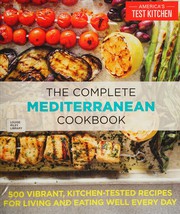
A thorough, beginner-friendly reference with tested recipes across the whole region. It explains the 'why' behind techniques and ingredients, making it the perfect first book to build confidence and vocabulary.

Introduces the warmth and simplicity of Greek home cooking — a cornerstone of Mediterranean eating — with accessible recipes built around olive oil, vegetables, and legumes that reinforce pantry fundamentals.
The Olive Oil & Vegetable Kitchen
BeginnerLearn to cook vegetables and legumes as the heart of a meal, not a side dish, and develop an intuitive feel for olive oil, herbs, and simple seasoning.
▸ Study plan for this stage
Pace: 8–10 weeks, ~40–50 pages/day, with 2–3 cooking sessions per week
- Vegetables as the protagonist: how to build satisfying, complete meals around seasonal vegetables and legumes rather than treating them as accompaniments
- Olive oil as a flavor foundation: understanding how quality olive oil, used generously and intentionally, creates depth and richness in vegetable-forward dishes
- The power of simple seasoning: mastering salt, acid (lemon, vinegar), fresh herbs, and spices to elevate humble ingredients without complexity
- Layering flavors through technique: how roasting, sautéing, and combining raw and cooked elements create textural and flavor complexity in vegetable dishes
- Regional Mediterranean ingredients and their roles: learning how Ottolenghi uses Middle Eastern and Mediterranean staples (tahini, pomegranate, sumac, za'atar) to transform vegetables
- Legumes as protein and substance: cooking dried beans and lentils to create hearty, satisfying mains that anchor a meal
- Intuitive cooking over rigid recipes: developing the confidence to adapt, season by taste, and understand why dishes work rather than following instructions mechanically
- How does Ottolenghi use vegetables as the main event rather than a side dish? Describe 3–4 specific dishes from the books and explain what makes them work as complete meals.
- What role does olive oil play in Ottolenghi's cooking, and how does he use it differently than you might have used it before?
- Name 5–6 herbs, spices, or seasonings that appear repeatedly across both books, and explain how each one is used to enhance vegetables and legumes.
- How do roasting, sautéing, and raw preparation create different results in vegetable dishes? Give examples from the recipes you've cooked.
- What are 3–4 Middle Eastern or Mediterranean ingredients (beyond basic herbs) that Ottolenghi relies on, and how do they change the character of a dish?
- Describe how you would build a satisfying vegetable-based meal from scratch using principles from these books, without following a specific recipe.
- Cook 8–10 vegetable-forward main dishes from 'Jerusalem' and 'Plenty' (aim for at least 2–3 from each book), choosing recipes that highlight different vegetables and cooking methods. Document what you learn about seasoning and technique in each.
- Prepare a simple roasted vegetable dish (e.g., cauliflower, eggplant, or zucchini) three different ways—with different oils, herbs, and seasonings—and taste them side by side to understand how each element changes the result.
- Cook at least 2 legume-based dishes from the books (such as lentil or chickpea preparations) and practice seasoning them to taste, noting how acid and salt transform the dish.
- Create a tasting comparison: prepare the same vegetable (e.g., tomatoes or peppers) using three different techniques from the books (raw, roasted, sautéed) and evaluate how texture and flavor differ.
- Host a meal for friends or family featuring 3–4 vegetable-forward dishes from these books, and observe which dishes feel most complete and satisfying without meat.
- Experiment with one unfamiliar Middle Eastern or Mediterranean ingredient from the books (such as pomegranate molasses, sumac, or tahini) by incorporating it into 2–3 vegetable dishes and noting how it shifts the flavor profile.
Next up: This stage grounds you in the philosophy and technique of vegetable-forward cooking, preparing you to explore how to layer these skills with grains, bread, and proteins in more complex meal compositions.
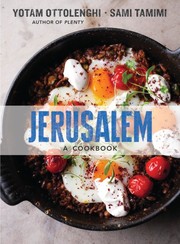
Ottolenghi's vegetable-forward Eastern Mediterranean cooking teaches bold flavor-building with herbs, spices, and olive oil. Reading it after the foundations stage lets you apply new techniques immediately.

Deepens the vegetable-first approach with more variety and technique. Coming right after Jerusalem, it expands your repertoire while reinforcing the same Mediterranean flavor logic.
Seafood, Grains & the Coastal Table
IntermediateMaster the preparation of fish, shellfish, and whole grains — the pillars of a healthy Mediterranean diet — and understand how coastal cooks combine them simply and beautifully.
▸ Study plan for this stage
Pace: 8–10 weeks, ~25–30 pages/day (alternating between both books; 2–3 weeks per book with overlap for comparative cooking)
- Whole fish cookery: selecting, cleaning, filleting, and roasting whole fish as a centerpiece dish (Zuni Café's signature approach)
- Shellfish technique: understanding doneness, texture, and the balance of simplicity in preparations like clams, mussels, and seafood pasta
- Grain mastery: cooking farro, bulgur, and other whole grains as vehicles for flavor rather than side dishes, with proper seasoning and texture
- The principle of ingredient quality over technique: how Zuni Café and Palestinian coastal cooking both rely on exceptional raw materials and minimal intervention
- Flavor building through aromatics and olive oil: the role of garlic, herbs, and quality oil in both Italian and Levantine seafood traditions
- Seasonal and regional eating: understanding how Mediterranean cooks adapt dishes to what's available, from Zuni's California-Mediterranean fusion to Zaitoun's Palestinian heritage
- Textural contrast and plate composition: combining grains, seafood, and vegetables to create balanced, satisfying meals
- The cultural and historical context of coastal Mediterranean cooking: how geography, trade, and tradition shape what ends up on the table
- How do you select, clean, and roast a whole fish according to Zuni Café principles, and what are the signs of doneness?
- What is the difference between cooking shellfish for texture versus cooking it until it's rubbery, and how do Palestinian and Italian cooks approach this?
- How should whole grains like farro or bulgur be cooked and seasoned to function as a main component rather than a side dish?
- What role does olive oil play in both Zuni Café and Zaitoun recipes, and how does quality oil affect the final dish?
- How do seasonal availability and regional tradition influence the seafood and grain dishes in these two culinary traditions?
- What are three techniques for building flavor in a simple seafood and grain dish without relying on heavy sauces or complex techniques?
- Roast a whole fish (1.5–2 lbs) using Zuni Café's method; practice selecting the fish at the market, cleaning it yourself, and identifying doneness by checking the eye and flesh
- Cook a pot of farro or bulgur from scratch, season it properly with olive oil, lemon, and herbs, and taste it at different stages to understand how grains absorb flavor
- Prepare a simple shellfish pasta or grain bowl combining clams or mussels with a whole grain, following either a Zuni Café or Zaitoun-inspired recipe; focus on timing so shellfish stays tender
- Create a tasting comparison: prepare the same simple seafood dish (e.g., pan-seared fish with lemon) using two different quality levels of olive oil, and note the difference in flavor
- Plan and cook a three-course Mediterranean meal centered on whole fish and grains, sourcing seasonal ingredients from your local market and adapting recipes based on availability
- Prepare a Palestinian-inspired grain salad with seafood (such as a bulgur bowl with shrimp or white fish) from Zaitoun, paying attention to the balance of herbs, citrus, and olive oil
Next up: This stage establishes mastery of seafood and grains as foundational Mediterranean ingredients; the next stage will likely deepen your understanding of how vegetables, legumes, and preserved ingredients build complexity and sustain the Mediterranean table year-round.
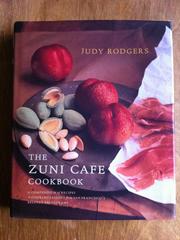
Though rooted in California, Rodgers's cooking is deeply Mediterranean in spirit — especially her mastery of simple fish, grains, and bread. It teaches the discipline of letting quality ingredients speak, a crucial intermediate lesson.

Focuses on Palestinian cooking, where seafood, grains like freekeh and bulgur, and olive oil are central. It bridges the coastal and grain traditions in a personal, story-driven way that makes the food memorable.
Regional Depth: Italy, France & the Western Mediterranean
IntermediateExplore the Italian and French Mediterranean traditions — pasta, risotto, Provençal vegetables, and seafood stews — to round out a complete picture of the cuisine.
▸ Study plan for this stage
Pace: 8–10 weeks, ~40–50 pages/day. Start with Hazan's foundational chapters (weeks 1–4), then move to Waters' seasonal menus and essays (weeks 5–8), with 2 weeks for integration and experimentation.
- The holy trinity of Italian cooking: soffritto (celery, carrot, onion), proper pasta shapes for specific sauces, and the importance of quality ingredients and technique over complexity
- Risotto as a distinct technique: constant stirring, gradual broth incorporation, and the creamy emulsion that defines the dish
- Provençal vegetable cookery: seasonal produce as the star, minimal intervention, and the use of garlic, herbs (thyme, rosemary, basil), and olive oil
- Seafood stews and braises: building flavor through layering, the role of tomato and saffron, and regional variations (bouillabaisse, cioppino, brodetto)
- Farm-to-table philosophy: Chez Panisse's commitment to seasonal, local ingredients and how this mirrors traditional Mediterranean practice
- The relationship between Italian technique and French refinement: how both traditions value simplicity, respect for ingredients, and mastery of fundamentals
- Pasta-making fundamentals: fresh vs. dried pasta, egg dough vs. semolina dough, and when to use each
- Flavor building through restraint: understanding how Mediterranean cooking achieves depth through technique and ingredient quality rather than heavy sauces or spices
- What is soffritto, why is it foundational to Italian cooking, and how does it differ from the French mirepoix?
- Explain the risotto technique: why is constant stirring essential, and what is the chemical process that creates the creamy consistency?
- How does Marcella Hazan's approach to pasta shape selection (e.g., long thin pasta vs. short chunky pasta) relate to sauce compatibility?
- What are the key principles of Provençal vegetable cooking as demonstrated in Chez Panisse's menus, and how do they reflect seasonal availability?
- Describe the structure and key components of a traditional Mediterranean seafood stew (broth base, aromatics, seafood, finishing touches).
- How does Alice Waters' farm-to-table philosophy at Chez Panisse align with or differ from the traditional Italian and French Mediterranean approaches in Hazan's work?
- Make a soffritto from scratch and use it as the base for three different Italian sauces (e.g., ragù, tomato sauce, vegetable sauce), noting how the same base adapts to different dishes.
- Prepare fresh pasta dough (egg-based) following Hazan's method, then make at least two different shapes (fettuccine, pappardelle, or filled pasta) and pair each with an appropriate sauce from the book.
- Cook risotto three times using different broths and add-ins (mushroom, seafood, vegetable), focusing on achieving the proper creamy consistency and documenting the stirring rhythm and timing.
- Select a seasonal vegetable from Chez Panisse's menus (e.g., summer zucchini, spring asparagus, fall eggplant) and prepare it two ways—one simple (roasted with olive oil and herbs) and one as part of a composed dish—comparing how technique affects the vegetable's character.
- Prepare a Mediterranean seafood stew or braise (bouillabaisse, cioppino, or brodetto) following either Hazan's or Waters' approach, paying attention to broth building, layering of flavors, and the timing of seafood addition.
- Plan and cook a three-course meal using Chez Panisse's seasonal menu structure: a vegetable-forward starter, a pasta or risotto main, and a simple dessert, sourcing ingredients from a farmers market when possible.
Next up: This stage establishes mastery of Italian and French Mediterranean fundamentals—technique, ingredient respect, and seasonal thinking—which will enable you to explore how these traditions spread and adapted across Spain, Greece, North Africa, and the Eastern Mediterranean in the next stage.

The definitive English-language guide to Italian cooking. At this stage, readers have the intuition to appreciate Hazan's insistence on simplicity and quality; her pasta, risotto, and fish chapters are essential.

Waters's Provençal-inspired, ingredient-driven philosophy ties together everything learned so far — olive oil, vegetables, seafood, and grains — and shows how seasonal simplicity is the ultimate Mediterranean ideal.
Mastery: The Whole Mediterranean Table
ExpertSynthesize the full breadth of Mediterranean cooking across all regions and ingredients, cooking with confidence, improvisation, and a deep understanding of why the diet is both delicious and healthy.
▸ Study plan for this stage
Pace: 8–10 weeks, ~40–50 pages/day, with 2–3 cooking sessions per week
- Moroccan flavor architecture: the interplay of warm spices (cinnamon, cumin, ginger), preserved lemons, and aromatics as a regional signature
- Layering and building complexity through spice blends, slow cooking, and the balance of sweet, savory, and acidic elements
- Ingredient substitution and improvisation—how to work with what you have while maintaining the integrity of a dish's flavor profile
- The role of technique in simplicity: how Ottolenghi's stripped-down approach achieves maximum flavor through precision and ingredient quality
- Cross-regional Mediterranean principles: how Moroccan tagines, North African grain dishes, and Middle Eastern/Eastern Mediterranean cooking share foundational logic
- Confidence in seasoning and tasting: developing an intuitive palate to adjust dishes in real time
- The health-flavor nexus: understanding why olive oil, whole grains, legumes, and abundant vegetables create both delicious and nourishing meals
- How do preserved lemons and warm spices function differently in Moroccan cooking compared to other Mediterranean regions you've studied, and when would you use each?
- Describe the flavor profile of a Moroccan spice blend (ras el hanout or similar) and explain how you would build it from component spices if you didn't have the blend on hand.
- What are three key techniques Ottolenghi uses to maximize flavor with minimal ingredients, and how do they differ from the Moroccan approach to complexity?
- Choose a dish from Wolfert's book and explain how you would adapt it using ingredients from your pantry while preserving its essential character.
- How would you explain to someone why Mediterranean cooking—as demonstrated across both Moroccan and Ottolenghi's cuisines—is both a pleasure to eat and a healthy way to live?
- Compare the role of slow cooking (tagines, braises) versus quick, high-heat cooking (Ottolenghi's roasting, sautéing) in building flavor, and when you'd choose each approach.
- Cook 3–4 tagines from Wolfert (e.g., chicken with preserved lemons, lamb with prunes and almonds, vegetable tagine) and document how spices and acid balance the sweetness.
- Make preserved lemons from scratch and use them in at least two different Moroccan dishes to understand how they evolve and transform a dish's flavor.
- Build your own ras el hanout or other Moroccan spice blend from whole spices; toast, grind, and taste at each stage to understand component flavors.
- Cook 5–6 recipes from Ottolenghi Simple, focusing on dishes that highlight single ingredients or minimal components (e.g., roasted vegetables, simple grains, herb-forward dishes); note how technique and seasoning compensate for simplicity.
- Prepare a Moroccan dish and an Ottolenghi dish side-by-side in the same week; compare their flavor-building strategies, ingredient lists, and cooking times in a written reflection.
- Host a tasting menu combining 2–3 Moroccan dishes with 2–3 Ottolenghi recipes; explain to guests how the two cuisines relate and differ, and how they both exemplify Mediterranean cooking.
Next up: This stage synthesizes the full Mediterranean table by anchoring you in two distinct regional expressions—Morocco's spice-forward, slow-cooked tradition and Ottolenghi's ingredient-focused, technique-driven simplicity—giving you the confidence and vocabulary to improvise, teach, and create original Mediterranean dishes in any future application.

Wolfert is the foremost authority on Mediterranean and North African cooking. This book adds the final regional dimension — spices, preserved lemons, couscous, and slow-cooked vegetables — completing the geographic arc.

The perfect capstone: at the advanced stage, readers can now execute Ottolenghi's bold Mediterranean flavors with ease and begin improvising. It proves that mastery means cooking beautifully with less effort, not more.
Discussion
Keep reading
Paths that share books, cover the same subject, or open a related topic.