Pizza making: the best books to master dough and the perfect pie
This curriculum takes a home cook from zero pizza knowledge to mastering Neapolitan and New York-style pies across four progressive stages. It begins with approachable, technique-first books that build confidence and vocabulary, then dives into the science of dough and fermentation, and finally reaches expert-level references on wood-fired and artisan pizza craft. Each stage builds directly on the skills and intuition developed in the one before it.
Foundations: Your First Great Pizza
BeginnerUnderstand the basic workflow of home pizza making — dough, sauce, toppings, and oven technique — and successfully bake your first delicious pies with confidence.
▸ Study plan for this stage
Pace: 4–5 weeks, ~20–30 pages/day, with 2–3 baking sessions per week
- Dough fundamentals: hydration ratios, fermentation times, and how gluten development affects texture
- Sauce basics: tomato selection, seasoning, and the balance between acidity and sweetness
- Topping principles: moisture management, flavor pairing, and preventing a soggy crust
- Oven technique: temperature control, baking time, and how different heat sources (home ovens, wood-fired) affect results
- The importance of cold fermentation and long, slow rises for flavor development
- Shaping and stretching techniques that preserve air pockets and create proper crust structure
- How to troubleshoot common issues: dense dough, burnt crust, undercooked center, and watery toppings
- What is hydration ratio and why does it matter in pizza dough?
- How does fermentation time affect the flavor and texture of your pizza crust?
- What are the key differences between Liz Barrett's approach and Jim Lahey's approach to pizza making?
- How do you prevent a soggy crust when using wet toppings?
- What temperature should your home oven reach, and how do you manage heat distribution?
- Why is cold fermentation preferred over quick dough preparation, and what are the practical benefits?
- Make a basic dough using Barrett's recipe, measure hydration ratio, and observe how it behaves over 24 hours
- Prepare two batches of dough with different fermentation times (12 hours vs. 48 hours) and compare flavor and texture side-by-side
- Practice hand-stretching and shaping techniques on at least 3 separate occasions until you can stretch dough without tearing
- Bake 2–3 pizzas using Barrett's guidance, documenting oven temperature, baking time, and final results
- Make a simple tomato sauce from scratch, taste it at different stages, and adjust seasoning to understand acid-sweetness balance
- Bake at least 2 pizzas using Lahey's method and compare the crust structure, rise, and flavor to your Barrett attempts
- Create a troubleshooting log: note any issues (dense crumb, burnt edges, undercooked center) and test one adjustment per bake
Next up: This stage gives you mastery of the essential techniques and confidence to bake reliable, delicious pizzas at home; the next stage will build on this foundation by exploring regional styles, advanced fermentation methods, and how to refine your process for consistency and experimentation.

A friendly, accessible introduction to pizza culture and styles across America that gives beginners essential context and vocabulary before touching dough.

Lahey's no-knead dough method is the perfect entry point — minimal equipment, forgiving technique, and outstanding results that immediately reward a beginner's effort.
Going Deeper: Dough Mastery & Style
IntermediateDevelop a real understanding of dough hydration, gluten development, and fermentation schedules, and learn to distinguish and replicate Neapolitan vs. New York-style pizza at home.
▸ Study plan for this stage
Pace: 6–8 weeks, ~20–25 pages/day, with 2–3 days per week reserved for hands-on dough work and baking experiments
- Dough hydration percentages and their effect on texture, extensibility, and crust structure
- Gluten development through mixing methods, autolyse, and fermentation timing
- Cold fermentation and bulk fermentation schedules as tools for flavor and digestibility
- The science of yeast activity, temperature control, and dough maturity indicators
- Neapolitan-style pizza: high-hydration dough, short fermentation, wood-fired oven technique
- New York-style pizza: moderate hydration, longer cold fermentation, deck oven baking
- How to read and adjust recipes based on flour type, ambient temperature, and desired outcome
- Practical troubleshooting: dough too sticky, insufficient rise, uneven baking, crust density issues
- What is baker's percentage hydration, and how do 60%, 65%, and 75% hydration doughs differ in handling and final texture?
- Explain the relationship between gluten development, fermentation time, and flavor development in pizza dough
- What are the key differences between Neapolitan and New York pizza dough in terms of hydration, fermentation schedule, and baking method?
- How do you determine if your dough is properly fermented, and what signs indicate over- or under-fermentation?
- Describe how to adjust a dough recipe based on flour protein content, room temperature, and desired final proof time
- What is the autolyse, and why does Ken Forkish recommend it for pizza dough development?
- Bake three batches of dough at different hydration levels (60%, 65%, 75%) side-by-side, documenting handling difficulty, rise rate, and final crust texture
- Follow Ken Forkish's basic pizza dough recipe exactly, then repeat it while tracking dough temperature, fermentation time, and oven spring to understand his methodology
- Conduct a cold fermentation experiment: divide one batch into portions and proof at room temperature (24 hrs), refrigerator (48 hrs), and refrigerator (72 hrs), tasting and comparing flavor and digestibility
- Replicate a Neapolitan-style dough from *The Elements of Pizza* and bake it in your home oven (or highest-heat available), documenting crust char, rise, and crumb structure
- Replicate a New York-style dough approach using longer cold fermentation, then bake and compare texture and flavor to your Neapolitan attempt
- Practice the autolyse method: mix flour and water, rest 30–60 minutes, then add salt and yeast; compare final dough strength and extensibility to a dough made without autolyse
Next up: Mastering dough science and regional styles here equips you to move into advanced topics like sourdough starters, wood-fired oven operation, and creative topping strategies that build on this technical foundation.

The single most important intermediate pizza book — Forkish breaks down dough science, long fermentation, and multiple regional styles with clear ratios and recipes that build true understanding.

The iconic Brooklyn pizzeria's book reveals a real-world professional approach to dough and toppings, bridging home technique with restaurant-quality results.
The Science of Fermentation & Bread Baking
IntermediateDeeply understand fermentation, wild yeast, and the science behind great dough — knowledge that directly elevates pizza crust flavor, texture, and repeatability.
▸ Study plan for this stage
Pace: 8–10 weeks, ~40–50 pages/day (alternating between both books; start with Forkish's technical chapters, then deepen with Katz's fermentation science)
- Hydration ratios and their effect on gluten development, extensibility, and final crumb structure in pizza dough
- Fermentation timelines: bulk fermentation vs. cold retard, and how temperature controls yeast metabolism and flavor development
- Wild yeast and bacterial cultures: how Saccharomyces cerevisiae and Lactobacillus species interact to create acidity, flavor compounds, and dough strength
- Autolyse and its role in gluten formation without mechanical mixing—a foundational technique for high-hydration doughs
- Salt's function beyond seasoning: osmotic pressure, gluten strengthening, and fermentation rate control
- Microbial ecology in fermentation: how starter cultures, environmental conditions, and time create reproducible, flavorful results
- Enzymatic activity: protease and amylase breaking down proteins and starches to create flavor, extensibility, and browning potential
- Sourness and acidity development: the relationship between lactobacillus fermentation, pH, and pizza crust tang
- How does hydration percentage directly influence gluten network strength and extensibility, and why is this critical for pizza dough handling?
- Explain the difference between bulk fermentation and cold retard: what happens biologically in each phase, and how do you choose between them for your pizza dough?
- What is the role of wild yeast and lactobacillus in flavor development, and how can you cultivate a stable starter culture for consistent results?
- Why is the autolyse step valuable for pizza dough, and what chemical changes occur during this rest period without salt or yeast?
- How does salt concentration affect fermentation rate, gluten strength, and the final flavor profile of your crust?
- Describe the microbial ecology of a sourdough starter: what organisms are present, how do they compete or cooperate, and what environmental factors favor each?
- Bake three batches of Forkish's basic pizza dough (from FWSY) at different hydration levels (60%, 65%, 70%) and document how each handles, ferments, and bakes—note extensibility, rise rate, and final crumb structure
- Conduct a fermentation timeline experiment: make identical doughs and ferment one at room temperature (72°F) for 24 hours, one in the fridge for 48 hours, and one for 72 hours—taste, smell, and measure rise to understand how time and temperature shift flavor and texture
- Create or maintain a sourdough starter using Katz's guidelines: feed it daily for 2 weeks, observe microbial activity (bubbles, smell, separation), and document when it becomes predictably active and ready for baking
- Perform an autolyse test: make two identical doughs—one with a 30-minute autolyse before adding salt/yeast, one without—compare gluten development, extensibility, and fermentation speed side-by-side
- Bake a series of pizzas using your starter at different strengths (young, peak, slightly past peak) and evaluate how starter maturity affects rise, oven spring, crust color, and sourness
- Measure and adjust salt concentration in three dough batches (1.5%, 2%, 2.5% by flour weight) and observe fermentation rate, dough strength, and final flavor—connect Forkish's ratios to Katz's fermentation principles
Next up: This stage equips you with the scientific foundation to predict and control fermentation outcomes, setting you up to apply these principles to advanced techniques like preferments, specialty flours, and regional dough styles in the next stage.
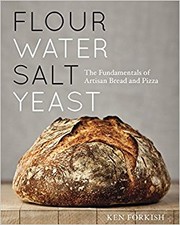
Forkish's bread masterclass is essential reading for pizza makers — the deep dives into preferments, poolish, and levain directly translate to more complex, flavorful pizza doughs.

Provides the broader scientific and cultural context of fermentation that sharpens intuition about wild yeast and long-ferment doughs, making you a more adaptive pizza baker.
Advanced Mastery: Neapolitan, Wood-Fired & Artisan Pizza
ExpertAchieve expert-level mastery of Neapolitan pizza tradition, high-heat baking, wood-fired ovens, and artisan topping philosophy to produce truly world-class pies at home.
▸ Study plan for this stage
Pace: 8–10 weeks, ~40–50 pages/day with 2–3 baking sessions per week
- Neapolitan pizza fundamentals: authentic dough hydration, fermentation schedules, and the role of tipo 00 flour and specific water chemistry
- Wood-fired oven design, temperature management, and heat distribution to achieve the characteristic leopard-spotted crust and proper char
- Advanced dough techniques: autolyse, bulk fermentation, cold retarding, and shaping methods that preserve gas structure and flavor development
- Sauce philosophy and ingredient selection: San Marzano tomatoes, minimal processing, and the balance between acidity and sweetness
- Artisan topping strategy: quality sourcing, restraint in application, and how toppings interact with high-heat baking and crust structure
- Oven management and timing: reading dough readiness, oven temperature calibration, and achieving proper bake in 60–90 seconds at 900°F+
- Flavor development through fermentation: how time, temperature, and hydration create complexity in both dough and final product
- Regional variations and modern artisan approaches: understanding traditional Neapolitan standards while adapting to home kitchen constraints
- What is the ideal hydration percentage for Neapolitan dough, and how does water chemistry (mineral content, pH) affect gluten development and fermentation?
- Describe the complete fermentation timeline for a Neapolitan pizza dough, including bulk fermentation duration, cold retard temperature, and how to judge dough readiness by feel and appearance.
- How should a wood-fired oven be designed and managed to maintain 900°F+ temperatures, and what visual cues indicate proper oven temperature for baking Neapolitan pizza?
- What are the key differences between Neapolitan sauce and other pizza sauces, and why is minimal processing of tomatoes critical to the final product?
- How do you select, prepare, and apply artisan toppings to ensure they complement rather than overwhelm the crust and sauce in a high-heat environment?
- What is the relationship between dough fermentation time, hydration, and oven temperature in achieving the characteristic leopard-spotted crust and proper char?
- Bake 3 complete batches of Neapolitan dough using Gemignani's recipe, adjusting hydration by ±2% each batch to understand how water content affects extensibility, fermentation speed, and final crust texture.
- Conduct a fermentation study: prepare 4 identical doughs and retard them for 24, 48, 72, and 96 hours at 38–40°F, then bake and taste-test to identify your preferred flavor profile and optimal timing.
- Build or source a wood-fired oven (or use a high-powered home oven at 800°F+) and practice temperature management: log oven temperature every 5 minutes during a baking session and correlate readings with crust development.
- Prepare 5 different sauce batches using Vetri's guidance: raw vs. cooked, different tomato varieties, varying salt levels, and minimal vs. standard processing; taste and apply to pizzas to evaluate impact on final flavor.
- Source and compare 3 artisan mozzarella varieties (fior di latte, buffalo, or local equivalents) and 3 topping proteins (guanciale, San Daniele prosciutto, fresh basil); bake test pizzas with each to understand how quality and application method affect results.
- Perform a shaping and dough-readiness study: shape 6 doughs at different stages of fermentation (12, 24, 36, 48, 60, 72 hours) and document how dough extensibility, gas retention, and final crust structure change with timing.
Next up: This stage equips you with the technical mastery and ingredient knowledge to produce restaurant-quality Neapolitan pizza at home; the next stage will likely focus on scaling production, developing a signature style, or exploring fusion and innovation while maintaining artisan principles.

A comprehensive, authoritative reference by a world pizza champion covering twelve distinct regional styles — the definitive advanced guide for serious home pizza makers.

Vetri's scientific and culinary deep dive into Neapolitan and Roman traditions, dough hydration variables, and wood-fired technique is the perfect capstone for an advanced learner.
Discussion
Keep reading
Paths that share books, cover the same subject, or open a related topic.