Cookie and cake baking: the best books to bake sweets that impress
This curriculum takes a beginner baker from foundational skills and confidence all the way through advanced technique, flavor science, and professional-level decorating. Each stage builds on the last — first establishing core vocabulary and reliable recipes, then deepening understanding of ingredients and method, and finally mastering artisan decoration and troubleshooting at a high level.
Foundations: Building Confidence & Core Skills
BeginnerUnderstand essential baking vocabulary, equipment, and techniques; successfully bake a reliable batch of cookies and a simple layer cake from scratch.
▸ Study plan for this stage
Pace: 6–8 weeks, ~25–35 pages/day, with 2–3 baking projects per week
- Essential baking vocabulary and ingredient functions (flour types, leavening agents, fats, sugars, eggs, salt)
- Proper measuring techniques and the importance of precision in baking chemistry
- Core equipment identification and use (mixing bowls, measuring tools, ovens, cooling racks, stand mixers)
- Creaming, mixing, and folding methods and when to apply each technique
- Oven temperature management and how to test for doneness in cookies and cakes
- The role of hydration, gluten development, and rest periods in dough and batter
- Reading and interpreting recipes with confidence, including ingredient lists and step-by-step instructions
- What are the main differences between all-purpose flour, cake flour, and bread flour, and when would you use each in cookie and cake baking?
- Explain the creaming method: why do you cream butter and sugar together, and what should the mixture look like when done?
- What are the three main leavening agents used in baking, and how does each one work to make baked goods rise?
- How do you properly measure flour to ensure consistency, and why does scooping directly from the bag often lead to dense baked goods?
- Describe the difference between a cookie dough and a cake batter in terms of hydration and gluten development, and how this affects the final texture.
- What visual and tactile cues tell you when cookies are done baking, and why is it important to remove them at the right moment?
- Bake at least three different cookie recipes from Joy of Cooking (e.g., sugar cookies, chocolate chip cookies, oatmeal cookies), documenting how each dough feels and how the final texture differs
- Bake a simple vanilla or chocolate layer cake from Joy of Cooking, practicing the creaming method and proper mixing to achieve an even crumb
- Create a personal baking glossary with 20–25 terms from both books (e.g., creaming, folding, bloom, crumb, set, caramelize) with definitions and visual notes
- Conduct a flour-measuring experiment: measure flour three different ways (scoop-and-level, spoon-and-level, weight) and bake identical cookie batches to observe texture differences
- Study the equipment sections in Joy of Cooking and identify every tool in your kitchen; practice using a stand mixer, whisk, and rubber spatula on actual recipes
- Bake a cookie recipe twice—once following Joy of Cooking's method exactly, then again using a technique or variation from Bravetart—and compare results in a written reflection
Next up: This stage equips you with the vocabulary, technique fundamentals, and hands-on confidence to move into intermediate territory, where you'll explore how to troubleshoot failed bakes, understand advanced flavor development, and begin experimenting with recipe modifications and creative variations.
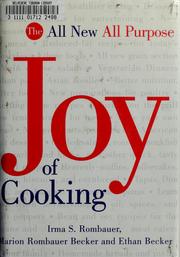
The ideal first book for any beginner — it explains the 'why' behind techniques, defines terms, and includes foolproof cookie and cake recipes that build real intuition before moving to specialized texts.
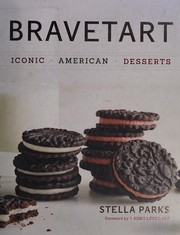
A beautifully written, deeply researched guide to classic American cookies and cakes. Read second to gain both reliable recipes and an early understanding of how ingredients interact, setting up more technical reading ahead.
Cookies Deep Dive: Technique & Variety
BeginnerMaster a wide range of cookie styles — drop, rolled, bar, sandwich, and more — and understand how small changes in ingredients or method dramatically affect texture and flavor.
▸ Study plan for this stage
Pace: 8–10 weeks, ~40–50 pages/day, with 2–3 baking sessions per week
- How fat, sugar, and liquid ratios control cookie texture (crispy vs. chewy vs. cakey)
- The role of leavening agents (baking soda vs. baking powder) and how they interact with acidic ingredients
- Creaming, mixing methods, and how they affect aeration and final structure
- Cookie dough hydration and how moisture content determines spread, thickness, and bite
- Flavor development through browning, ingredient selection, and resting/chilling strategies
- Distinct cookie categories: drop cookies, rolled/cutout cookies, bar cookies, sandwich cookies, and specialty shapes
- How oven temperature, baking time, and cooling affect final texture and appearance
- Ingredient substitutions and troubleshooting common baking failures (spreading, drying out, underbaking)
- Why do some cookies spread thin and crispy while others stay thick and chewy? What ingredient or method changes cause these differences?
- How do baking soda and baking powder work differently, and when would you choose one over the other in a cookie recipe?
- What is the creaming method, and how does it differ from other mixing techniques? How does it affect the final cookie texture?
- Describe the relationship between dough hydration and cookie behavior—how does adding or reducing liquid change the outcome?
- What are the five main cookie categories discussed, and what are the defining characteristics and techniques for each?
- How can you troubleshoot a batch of cookies that spread too much or turn out too dry? What adjustments would you make?
- Bake three versions of a single drop cookie recipe (e.g., chocolate chip) with different fat-to-sugar ratios, and document how texture changes
- Make a batch of rolled/cutout cookies and practice shaping, chilling, and cutting techniques; experiment with different chilling times to see how dough workability changes
- Prepare a bar cookie recipe and cut samples at different cooling stages to understand how internal structure sets
- Create a sandwich cookie by baking two thin cookies and filling them with frosting or jam; evaluate structural integrity and flavor pairing
- Bake the same dough at two different oven temperatures (±25°F) and compare browning, spread, and texture to understand oven calibration
- Conduct a side-by-side taste test of cookies made with baking soda vs. baking powder to identify flavor and texture differences
Next up: This stage builds your hands-on mastery of cookie fundamentals and variety, preparing you to advance to cake baking where you'll apply similar ingredient science to larger, more complex structures that require precision and deeper understanding of crumb development.
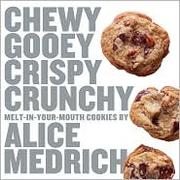
Alice Medrich organizes cookies by texture, which is the single best framework for understanding how butter, sugar, flour, and eggs interact — essential vocabulary for any serious cookie baker.

A practical, photo-rich companion that covers an enormous variety of cookie recipes with clear troubleshooting tips, reinforcing the ingredient science learned from Medrich with hands-on repetition.
Cakes Deep Dive: Layers, Frostings & Flavor
IntermediateBake confidently across cake styles (butter, foam, chiffon), master buttercreams and ganaches, and understand how to build and frost a professional-looking layer cake.
▸ Study plan for this stage
Pace: 6–8 weeks, ~40–50 pages/day (alternating between theory-heavy sections of The Cake Bible and hands-on projects from Layered)
- The science of cake structure: how fat, eggs, sugar, and leavening agents interact differently in butter cakes, foam cakes, and chiffon cakes
- Creaming, folding, and mixing methods: when and why each technique matters for texture and rise
- Buttercream formulas and variations: American, Swiss, Italian, and French styles; how to troubleshoot texture and stability
- Ganache fundamentals: ratios, tempering, and how chocolate type and temperature affect consistency and finish
- Building and leveling layer cakes: torting, crumb coating, frosting application, and achieving clean edges and smooth surfaces
- Flavor pairing and complementary frosting selection: matching cake style to frosting type for cohesive desserts
- Professional finishing techniques: piping, decorating, and presentation standards from Layered's styled examples
- What are the key differences between butter cake, foam cake, and chiffon cake in terms of ingredients, mixing method, and crumb structure?
- Why does The Cake Bible emphasize specific mixing sequences (e.g., creaming vs. reverse creaming), and how do these affect the final cake?
- How do you choose between American buttercream, Swiss meringue, Italian meringue, and French buttercream for a given cake, and what are the pros and cons of each?
- What is the ideal chocolate-to-cream ratio for ganache, and how does temperature control affect its final consistency and shine?
- Walk through the complete process of leveling, crumb coating, and frosting a three-layer cake to achieve professional-looking results
- How do you troubleshoot common frosting problems (graininess, separation, dullness) using principles from both books?
- Bake three cakes in succession—one butter cake (e.g., classic yellow or chocolate from The Cake Bible), one foam cake (e.g., sponge), and one chiffon cake—and document texture, rise, and crumb differences
- Make five different buttercream styles (American, Swiss, Italian, French, and one variation) side-by-side, tasting and comparing texture, stability, and sweetness; note which pairs best with each cake type
- Prepare two ganaches with different chocolate percentages (dark vs. milk) and cream ratios, observing how each sets and finishes; use one for pouring and one for frosting
- Level, crumb coat, and fully frost a three-layer cake using one of The Cake Bible's recipes and Layered's techniques; photograph the process and final result to assess edge definition and surface smoothness
- Design and execute a complete cake project combining a specific cake style from The Cake Bible with a complementary frosting and finish inspired by Layered's gallery (e.g., a chiffon cake with Swiss meringue and piped borders)
- Troubleshoot a deliberately imperfect frosting application (e.g., grainy buttercream, dull ganache, uneven crumb coat) by re-reading relevant sections and correcting it in a second attempt
Next up: Mastering these foundational cake structures, frostings, and assembly techniques equips you to tackle advanced decoration, specialty fillings, and multi-component desserts in the next stage.
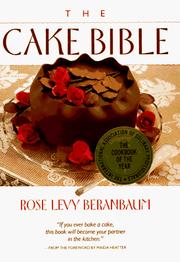
The definitive intermediate cake reference — Beranbaum explains the science of ratios, mixing methods, and frostings with precision. Reading this transforms a recipe-follower into a baker who truly understands what is happening in the oven.

Picks up exactly where The Cake Bible leaves off by focusing on assembly, flavor pairing, and stunning layer-cake design, bridging technical knowledge with beautiful, achievable results.
The Science Behind It All: Ingredients & Troubleshooting
IntermediateUnderstand the food science behind baking at a level that allows confident substitution, troubleshooting of failures, and deliberate recipe modification.
▸ Study plan for this stage
Pace: 8–10 weeks, ~40–50 pages/day (alternating between deep study of Figoni's technical chapters and López-Alt's experimental sections)
- The role of gluten development, hydration, and protein structure in dough behavior and final texture
- How fats (butter, oil, shortening) interact with flour and affect crumb structure, tenderness, and browning
- The chemistry of leavening agents (baking soda, baking powder, yeast) and how acid-base reactions control rise and crumb
- Egg functionality: coagulation, emulsification, and moisture retention across different baking applications
- Sugar's multiple roles: sweetness, browning (Maillard and caramelization), moisture retention, and structure
- The Maillard reaction and caramelization as drivers of flavor, color, and crust development
- How temperature, time, and ingredient ratios interact to produce predictable results and how to diagnose baking failures
- Practical troubleshooting frameworks: identifying root causes (ingredient ratios, hydration, mixing, oven temperature) and testing solutions systematically
- Why does increasing hydration in a bread dough produce a more open crumb, and how would you adjust mixing or fermentation to compensate?
- Explain the difference between baking soda and baking powder, and describe a scenario where you'd substitute one for the other and what you'd need to adjust in the recipe
- What happens to gluten structure when you add fat to a dough, and how does this explain the difference between a tender cake and a chewy bread?
- Walk through the Maillard reaction: what ingredients and conditions are necessary, and how does it differ from caramelization?
- Your cookies spread too much and are greasy. Using food science principles, identify three possible causes and how you'd test each one
- How do eggs function differently in a custard, a foam cake, and a cookie dough, and what does this tell you about protein denaturation and emulsification?
- Work through Figoni's ratio-based formulas (baker's percentages) for at least three different baked goods (bread, cake, cookie); calculate and bake them, then document how changing one ingredient by 5–10% affects the result
- Conduct López-Alt's controlled experiments on two variables: bake a batch of cookies with three different fat types (butter, coconut oil, shortening) and three different oven temperatures, documenting spread, browning, and texture
- Deliberately create a baking failure (e.g., dense cake, tough cookies, flat bread) by mismanaging one variable (overmixing, wrong oven temp, incorrect leavening), then troubleshoot and fix it in a second batch
- Prepare a side-by-side comparison of two bread doughs with different hydration levels (60% vs. 75%); document mixing behavior, fermentation speed, and final crumb structure
- Modify a cake recipe by substituting 25% of the all-purpose flour with a different flour (whole wheat, cake flour, or cornstarch); predict the outcome using Figoni's framework, bake, and analyze the results
- Create a troubleshooting decision tree for a common failure (e.g., cookies not browning, bread not rising, cake sinking in the middle) by identifying 4–5 possible causes and the tests you'd run to isolate the culprit
Next up: This stage equips you with the scientific reasoning to understand *why* recipes work, preparing you to move into advanced territory—whether that's mastering specialized techniques (lamination, fermentation, tempering), adapting recipes for dietary restrictions, or developing your own signature creations with confidence.

The most accessible food-science baking textbook available — covers flour, fats, sugars, leaveners, eggs, and chocolate in depth. Reading this unlocks the ability to diagnose any baking problem and fix it.

Though broader than baking alone, its rigorous test-kitchen methodology and chapters on cookies and cakes teach the reader to think experimentally — the perfect complement to Figoni's theory.
Mastery: Artisan Decoration & Advanced Pastry
ExpertExecute advanced decorating techniques (piping, fondant, mirror glazes), work with professional-level recipes, and develop a personal creative baking voice.
▸ Study plan for this stage
Pace: 8–10 weeks, ~20–25 pages/day with 2–3 baking projects per week
- Advanced piping techniques: consistency, pressure control, and nozzle selection for intricate designs and dimensional effects
- Fondant work: mixing, coloring, rolling, draping, and hand-sculpting for smooth finishes and sculptural elements
- Mirror glazes and poured finishes: achieving glossy, reflective surfaces through precise temperature control and emulsification
- Professional recipe scaling and adaptation: understanding ratios, ingredient interactions, and how to modify recipes for different yields and environments
- Icebox dessert construction: layering, chilling, and assembly techniques that prioritize make-ahead convenience without sacrificing visual impact
- Flavor development and balance: creating sophisticated flavor profiles that complement visual complexity
- Personal creative voice: identifying signature techniques and flavor combinations that reflect individual aesthetic and taste preferences
- What are the key differences between American buttercream and European meringue-based frostings, and when would you choose each for advanced piping work?
- How do you troubleshoot common fondant issues (cracking, sweating, dull finish), and what environmental factors affect fondant workability?
- Explain the science behind mirror glazes: why temperature, emulsification, and pouring technique are critical to achieving a flawless finish.
- How do the make-ahead strategies in icebox desserts differ from traditional cakes, and what are the advantages and limitations of each approach?
- What techniques from Bouchon Bakery's professional kitchen translate to home baking, and where do you need to adapt for equipment and scale?
- How would you develop a signature dessert that combines advanced decoration with a unique flavor profile reflecting your personal baking voice?
- Pipe three different piping designs (rose, leaf, basket weave) on practice boards using buttercream, focusing on consistent pressure and nozzle angle; photograph progression.
- Make a batch of fondant from scratch, practice rolling to consistent thickness, drape over a dome cake, and hand-sculpt a small decorative element.
- Prepare a mirror glaze following Magnolia Bakery's or Bouchon's method; pour over a chilled cake at the correct temperature and document the finish quality.
- Bake and assemble a complete icebox dessert from The Magnolia Bakery Handbook (e.g., a layered mousse cake or frozen terrine), focusing on precision in layering and timing.
- Recreate one signature recipe from Bouchon Bakery, scaling it for home kitchen equipment; document any adaptations and evaluate results against the original vision.
- Design and execute your own advanced dessert combining at least two professional techniques (piping + fondant, or glaze + hand-sculpting) with a flavor profile you've developed.
Next up: This stage establishes mastery of visual execution and professional technique, positioning you to move into the next level—whether that's specialized pastry (laminated doughs, choux work), business application (scaling recipes for production, costing, menu design), or artistic exploration (modernist techniques, plating for presentation).

A professional-level operations and recipe guide from one of America's most iconic bakeries — covers scaling, consistency, and advanced frosting work that bridges home baking and professional craft.
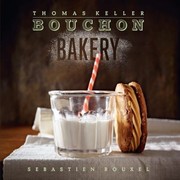
The pinnacle of the curriculum: Keller's exacting standards, precise techniques, and refined recipes for cookies and cakes challenge the advanced baker to achieve true mastery and develop an eye for perfection.
Discussion
Keep reading
Paths that share books, cover the same subject, or open a related topic.