Gut health: the microbiome, explained
This curriculum takes a beginner from zero to a nuanced, science-literate understanding of the gut microbiome across four progressive stages. It starts with accessible, narrative-driven introductions to build vocabulary and intuition, moves into the specific levers of diet and lifestyle, then explores the gut-brain connection, and finally equips the reader to critically evaluate the research and cut through supplement marketing.
Foundations: What the Microbiome Is
BeginnerUnderstand what the gut microbiome is, why it matters, and how it interacts with the human body — building the core vocabulary needed for everything that follows.
▸ Study plan for this stage
Pace: 6–8 weeks total: Weeks 1–4 for "Gut" by Giulia Enders (~20–25 pages/day, 3–4 days/week), then Weeks 5–8 for "The Good Gut" by Justin Sonnenburg (~20–25 pages/day, 3–4 days/week). Reserve one day per week for review, journaling, and exercises. Both books are accessible and conversational, so this pac
- The gut as a complex organ system: Enders' 'Gut' reframes the digestive tract — from mouth to large intestine — as an intelligent, underappreciated system with its own nervous network (the enteric nervous system), not merely a passive food-processing tube.
- The gut-brain axis: 'Gut' introduces the bidirectional communication highway between the gut and the brain via the vagus nerve, establishing that gut health has direct implications for mood, cognition, and stress responses.
- What the microbiome actually is: Both books define the microbiome as the vast community of bacteria, viruses, fungi, and other microorganisms living in the gut — with 'Gut' providing the anatomical context and 'The Good Gut' zooming in on the microbial cast of characters.
- Microbial diversity as a health marker: Sonnenburg's 'The Good Gut' emphasizes that a wide variety of microbial species — not just 'good bacteria' in isolation — is the hallmark of a resilient, healthy gut ecosystem.
- Diet as the primary lever for microbiome composition: 'The Good Gut' makes the case that what we eat (especially dietary fiber and fermented foods) directly shapes which microbes thrive, framing food as medicine for the microbiome.
- The role of the microbiome in immunity: Both books explain that roughly 70–80% of the immune system is housed in the gut, and that microbes train and regulate immune responses from birth onward.
- Early-life microbiome development: 'The Good Gut' covers how birth method (vaginal vs. C-section), breastfeeding, and early antibiotic exposure set the microbial foundation for lifelong health.
- Core vocabulary — key terms to master: microbiome, microbiota, probiotics, prebiotics, dysbiosis, symbiosis, enteric nervous system, short-chain fatty acids (SCFAs), and mucus layer — terms used throughout both books and essential for all future reading.
- In your own words, how does Giulia Enders in 'Gut' describe the structure and function of the large intestine, and why does she argue it deserves more respect than it typically receives?
- What is the gut-brain axis, and what specific communication pathways (e.g., the vagus nerve) does 'Gut' identify as linking digestive health to mental and emotional states?
- According to Justin Sonnenburg in 'The Good Gut', what does microbial diversity mean, why is it declining in Westernized populations, and what are the proposed consequences for chronic disease?
- How do both Enders and Sonnenburg describe the relationship between the microbiome and the immune system — where do they agree, and does either add a unique angle?
- What dietary strategies does 'The Good Gut' recommend for nurturing a healthy microbiome, and what is the scientific reasoning (e.g., the role of MACs — microbiota-accessible carbohydrates) behind those recommendations?
- How does early-life exposure — birth method, breastfeeding, antibiotics — shape the microbiome according to 'The Good Gut', and what does this imply about the window of opportunity for microbiome development?
- Build a personal glossary: As you read each book, maintain a running document of key terms (microbiome, dysbiosis, SCFAs, prebiotics, etc.) with a definition in your own words and the page/chapter where it appeared. Aim for 20–30 entries by the end of Stage 1.
- Draw your gut: After finishing 'Gut', sketch a simple diagram of the digestive tract from memory, labeling the major organs and noting one microbiome-relevant fact about each section (e.g., 'large intestine — highest microbial density'). Compare it to Enders' illustrations.
- Food & microbiome journal (2-week log): During your reading of 'The Good Gut', keep a daily log of what you eat and categorize each meal by its likely microbiome impact using Sonnenburg's framework — high-fiber, fermented, processed, etc. Reflect on patterns at the end of the two weeks.
- Concept comparison table: Create a two-column table with 'Gut' on one side and 'The Good Gut' on the other. For each major concept (gut-brain axis, immunity, diet, early life), note how each author addresses it. Identify one point of agreement and one unique insight per book.
- Teach-it-back exercise: After finishing each book, write a 200–300 word explanation of the microbiome as if you were explaining it to a curious friend with no science background. Use only concepts from that book. This tests whether you've truly internalized — not just recognized — the material.
- Probiotic/prebiotic audit: Using the criteria from 'The Good Gut', audit your kitchen or a local grocery store. Identify 5 foods that qualify as good prebiotic sources and 3 genuinely fermented (not just pickled) probiotic foods. Note what makes each qualify based on Sonnenburg's definitions.
Next up: Having established what the microbiome is, how it develops, and why diet and diversity matter — using the vocabulary and conceptual scaffolding built across Enders and Sonnenburg — the reader is now equipped to move from descriptive foundations into the mechanisms of how microbial imbalance (dysbiosis) drives specific diseases, which is the focus of the next stage.

The perfect starting point: a witty, accessible, and scientifically grounded tour of the entire digestive system and its microbial residents. It builds essential vocabulary without overwhelming a beginner.

Written by a leading Stanford microbiome researcher, this book deepens the foundation by explaining how the microbiome is shaped by diet and lifestyle, preparing the reader for more specific dietary discussions ahead.
Diet as Medicine: Fiber, Fermentation & Food
BeginnerUnderstand the specific, evidence-based roles of dietary fiber and fermented foods in shaping a healthy microbiome, and learn practical principles for eating to support gut health.
▸ Study plan for this stage
Pace: 8–10 weeks total: Weeks 1–5 on "Fiber Fueled" (~25–30 pages/day, 4–5 days/week); Weeks 6–10 on "The Art of Fermentation" (~20–25 pages/day, 4–5 days/week — this is a dense, encyclopedic text, so allow extra time to pause and explore topics of interest)
- Dietary fiber as the primary fuel source for beneficial gut bacteria (prebiotics), and why diversity of plant foods — Bulsiewicz's 'plant points' system — is more important than quantity alone
- The difference between soluble and insoluble fiber and how each type interacts differently with the gut microbiome to produce short-chain fatty acids (SCFAs) like butyrate, propionate, and acetate
- The gut-disease connection: how a low-fiber, Western diet drives dysbiosis and is linked to IBD, obesity, type 2 diabetes, and even mental health conditions via the gut-brain axis, as laid out in Fiber Fueled
- Fermentation as one of humanity's oldest food-preservation technologies: Katz's core argument that fermentation is a natural, accessible, and culturally universal practice — not a niche health trend
- The microbial ecology of fermented foods: how wild or cultured microorganisms (bacteria, yeasts, molds) transform raw ingredients and produce beneficial metabolites, organic acids, and bioavailable nutrients
- Key fermentation categories covered by Katz — vegetable ferments (lacto-fermentation/sauerkraut, kimchi), dairy ferments (yogurt, kefir), grain ferments (sourdough), and beverage ferments (kombucha, kvass) — and their distinct microbial communities
- The concept of 'eating the rainbow' and progressive dietary change: Bulsiewicz's practical framework for gradually increasing fiber intake to avoid GI distress and build long-term tolerance
- How fermented foods complement a high-fiber diet: live cultures from fermented foods interact with fiber substrates in the colon, and together they have synergistic (synbiotic) effects on microbiome diversity
- According to Bulsiewicz in Fiber Fueled, what are short-chain fatty acids (SCFAs), how are they produced, and why are they so critical to gut and whole-body health?
- What is the 'plant points' system described in Fiber Fueled, and how does it operationalize the goal of eating 30+ diverse plant foods per week?
- How does Bulsiewicz explain the link between a low-fiber diet and specific chronic diseases — and what does he argue is the mechanism connecting gut dysbiosis to conditions beyond the digestive tract?
- According to Katz in The Art of Fermentation, what is lacto-fermentation, and why does it not require any special starter cultures or equipment to begin?
- How does Katz frame fermentation culturally and historically — and why does he argue that reclaiming fermentation is an act of both personal health and cultural resilience?
- How do the dietary philosophies of Bulsiewicz and Katz complement each other, and how would you combine their practical guidance into a single week of eating?
- **Plant Point Tracker (Fiber Fueled):** For two full weeks, log every distinct plant food you eat (vegetables, fruits, legumes, whole grains, nuts, seeds, herbs, spices each count as one point). Tally your weekly score, identify your gaps, and set a target to increase diversity the following week.
- **Fiber Ramp-Up Protocol (Fiber Fueled):** Following Bulsiewicz's gradual approach, add one new high-fiber food per week for four weeks (e.g., week 1: lentils; week 2: oats; week 3: Jerusalem artichokes; week 4: a new leafy green). Journal any digestive changes — bloating, energy, bowel habits — to build body awareness.
- **Make Your First Lacto-Ferment (The Art of Fermentation):** Using Katz's basic instructions, ferment a small jar of vegetables (sauerkraut or simple brine-pickled cucumbers). Observe it daily for 5–7 days, noting bubbling, smell, and taste changes. This makes the microbial process visceral and memorable.
- **Fermented Food Tasting Journal:** Over two weeks, deliberately taste and compare at least four different fermented foods (e.g., store-bought vs. homemade sauerkraut, plain yogurt vs. kefir, sourdough vs. commercial bread). Write tasting notes and reflect on what Katz says about the microbial differences between live-culture and pasteurized versions.
- **Synbiotic Meal Design:** Plan and cook three 'synbiotic' meals that intentionally pair a high-fiber ingredient (prebiotic) with a fermented ingredient (probiotic) — for example, a lentil soup topped with plain yogurt and herbs, or a grain bowl with kimchi. Reflect on how both books informed your choices.
- **Concept Synthesis Essay (1–2 pages):** After finishing both books, write a short personal essay answering: 'If fiber and fermented foods are both so beneficial, why are they largely absent from the modern Western diet?' Draw on arguments from both Bulsiewicz and Katz — scientific, cultural, and practical.
Next up: By establishing that diet — specifically fiber and fermented foods — is the most powerful lever for shaping the microbiome, this stage creates the essential 'why eat this way?' foundation, setting the reader up to explore deeper questions about the gut-brain axis, the immune system, and the clinical science of microbiome-targeted therapies in more advanced stages of the curriculum.
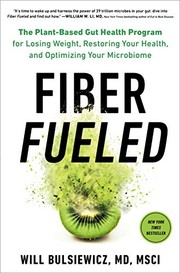
A gastroenterologist makes the case for plant diversity and fiber as the single most important dietary lever for gut health, directly addressing the learner's goal around fiber. Read before fermentation books to establish the 'fuel' side of the equation.

The definitive, canonical text on fermented foods — their history, microbiology, and preparation. Reading it after Bulsiewicz gives the fermentation side of the diet picture full context and depth.
The Gut-Brain Axis
IntermediateUnderstand the bidirectional communication network between the gut and the brain, and how the microbiome influences mood, cognition, stress, and mental health.
▸ Study plan for this stage
Pace: 6–8 weeks total: Weeks 1–3 cover "The Psychobiotic Revolution" (~25–30 pages/day, including reflection time); Weeks 4–7 cover "The Mind-Gut Connection" (~20–25 pages/day, which is denser and more clinical); Week 8 is a consolidation week for review, journaling, and exercises — no new reading.
- The gut-brain axis as a bidirectional superhighway: how signals travel via the vagus nerve, enteric nervous system, immune pathways, and bloodstream in both directions — not just brain-to-gut
- Psychobiotics defined: specific live bacteria (and the prebiotics that feed them) shown in Anderson's framework to measurably influence mood, anxiety, and cognition through microbial metabolite production
- The enteric nervous system ('second brain'): Mayer's detailed account of the ~500 million neurons lining the gut, their embryological kinship with the central nervous system, and their semi-autonomous function
- Microbial metabolites as neuroactive signals: how gut bacteria produce or modulate serotonin precursors, GABA, short-chain fatty acids (SCFAs), and other molecules that cross or signal across the blood-brain barrier
- The stress-microbiome feedback loop: how chronic psychological stress alters microbial composition (dysbiosis), and how dysbiosis in turn amplifies the HPA-axis stress response — a vicious cycle explored in both books
- Gut permeability ('leaky gut') and neuroinflammation: Mayer's argument that a compromised gut lining allows microbial products (e.g., LPS) to trigger low-grade systemic inflammation linked to depression and brain fog
- Individual variability in the gut-brain dialogue: both authors emphasize that microbiome composition is shaped by diet, early-life experience, birth mode, and geography — meaning mental-health effects are highly personal
- Dietary and lifestyle levers: Anderson's psychobiotic diet framework and Mayer's plant-diversity/fermented-food recommendations as practical strategies to shift the gut-brain axis toward better mental well-being
- According to Anderson in 'The Psychobiotic Revolution,' what distinguishes a psychobiotic from a general probiotic, and which bacterial strains does he highlight as having the strongest evidence for mood and anxiety effects?
- Mayer describes the enteric nervous system as a 'second brain' — what structural and functional features does he use to justify this label, and how does it communicate with the cranial brain independently of the vagus nerve?
- Both books address the HPA-axis stress response. How do Anderson and Mayer each explain the mechanism by which gut dysbiosis can amplify or perpetuate chronic stress, and where do their explanations converge or differ?
- What role does gut permeability play in Mayer's model of the gut-brain axis, and what dietary or lifestyle factors does he argue either protect or compromise the mucosal barrier?
- How do the neuroactive metabolites produced by gut bacteria (e.g., SCFAs, serotonin precursors) actually reach or influence the brain — what are the specific signaling pathways described across both books?
- After reading both books, how would you design a practical, evidence-informed 'psychobiotic lifestyle' for someone experiencing mild anxiety? Draw on Anderson's dietary framework and Mayer's recommendations, and note where the two authors agree or diverge.
- Dual-book concept map: After finishing each book, draw a visual map of the gut-brain axis as that author describes it (nodes = key players: vagus nerve, ENS, microbiome, HPA axis, metabolites, immune cells). Then overlay the two maps to spot agreements, gaps, and contradictions — annotate with page references.
- Psychobiotic diet trial (2-week minimum, starting in Week 3): Using Anderson's specific dietary recommendations as your protocol, log daily food intake, sleep quality, mood (1–10), and any GI symptoms. At the end, write a one-page reflection on whether your subjective experience aligns with the mechanisms described in the book.
- Strain-to-mechanism flashcard deck: For each bacterial strain or probiotic mentioned by Anderson, create a flashcard with: (front) strain name; (back) proposed mechanism, target symptom/outcome, and the quality of evidence he cites. Review the deck after finishing Mayer to see which mechanisms Mayer's neuroscience framework supports.
- Stress-microbiome journal: For 3 weeks (spanning both books), keep a brief daily log noting a stressful event, your gut sensations that day, and your diet. At the end, re-read the log through the lens of Mayer's HPA-axis/dysbiosis feedback loop and write a short analysis of patterns you notice.
- Critical comparison essay (500–700 words): Anderson is a science journalist; Mayer is a gastroenterologist-researcher. Write an essay comparing their rhetorical approaches, the types of evidence they prioritize (animal studies, clinical trials, patient cases), and how those differences affect the confidence you place in their conclusions.
- Teach-it-back session: Explain the gut-brain axis to a friend, family member, or study partner using only everyday language — no jargon. Aim for 10 minutes. Record yourself or ask your listener to quiz you. Use any gaps or stumbles as a checklist for a final review of both books.
Next up: Mastering the gut-brain axis — especially the roles of microbial metabolites, inflammation, and diet — creates the mechanistic foundation needed to explore how targeted clinical and therapeutic interventions (such as fecal microbiota transplants, precision probiotics, and psychobiotic-informed psychiatry) can be designed and evaluated in the next stage.

Co-authored with two leading researchers, this is the most accessible and up-to-date introduction to the gut-brain axis. It bridges the dietary knowledge from Stage 2 into neuroscience territory without requiring a science background.

Mayer is one of the world's foremost gut-brain researchers, and this book goes deeper into the neuroscience and clinical evidence. Reading it second in this stage ensures the reader has the conceptual scaffolding to absorb the more detailed mechanisms.
Advanced Literacy: Separating Science from Hype
ExpertDevelop a critical, research-literate perspective on microbiome science — understanding what the evidence actually supports, where the field is uncertain, and how to evaluate probiotic and supplement claims skeptically.
▸ Study plan for this stage
Pace: 6–8 weeks total: Weeks 1–4 for "I Contain Multitudes" (~25–30 pages/day, reading in thematic chunks by chapter); Weeks 5–8 for "Spoon-Fed" (~20–25 pages/day, pausing after each chapter to interrogate the cited evidence). Budget an extra review session at the end of each book before moving on.
- Microbial diversity as a marker of ecosystem health — Yong's core argument that richness and variety of microbial communities, not the presence of any single 'good' microbe, underpins host wellbeing
- Co-evolution and symbiosis: how animals and microbes have shaped each other over millions of years, and why this deep history matters for interpreting modern interventions
- The limits of model organisms and reductionist lab science: Yong repeatedly shows how findings in mice or petri dishes fail to translate cleanly to human health outcomes
- Publication bias and the hype cycle in microbiome research: how striking correlations get amplified by media and supplement marketing before causation is established
- Spector's 'dietary villain' deconstruction — how single-nutrient thinking (fat, sugar, salt, gluten) distorts both public understanding and research funding
- The evidence hierarchy for nutrition and microbiome claims: why randomised controlled trials are hard to run in this field, and what that means for interpreting observational data
- Individual variability in microbiome response: Spector's personal experiments and the ZOE project data illustrating that population-level dietary advice may be poorly suited to individuals
- Skeptical evaluation of probiotics and supplements: distinguishing strain-specific, dose-specific, peer-reviewed evidence from broad marketing claims
- After reading Yong, can you explain why scientists are cautious about attributing a specific health outcome to a specific microbe, even when a strong correlation exists in human studies?
- What rhetorical and commercial mechanisms does Spector identify that allow nutritional myths to persist despite contradictory evidence — and can you give two concrete examples from 'Spoon-Fed'?
- How do both authors treat the concept of 'balance' in the microbiome — is it a scientifically rigorous term, and what do they suggest is a more defensible framing?
- What standards of evidence would you now demand before accepting a probiotic product's health claim, drawing on the frameworks presented in both books?
- Yong describes the microbiome as a 'second genome' and an 'ecosystem' — what are the strengths and weaknesses of each metaphor for communicating science accurately to a general audience?
- Spector argues that official dietary guidelines have often been shaped by industry and weak science — what structural reforms or personal habits does he propose, and how well does he support them with evidence?
- Claim audit: Choose three probiotic or 'gut health' products currently on the market. For each, locate the primary research (not press releases) cited on the label or website, assess the study design, sample size, and whether the tested strain/dose matches the product — then write a one-paragraph verdict.
- Parallel reading log: As you read each chapter of 'Spoon-Fed', note every empirical claim Spector makes and classify it as: (a) supported by an RCT, (b) supported by observational data only, (c) expert opinion, or (d) personal anecdote. Tally the results and reflect on what this distribution tells you.
- Metaphor critique: Write a 300-word essay comparing Yong's ecosystem metaphor for the microbiome with Spector's food-as-information framing — identify where each metaphor illuminates and where it misleads.
- Media vs. source comparison: Find a recent news article (within the last two years) about a microbiome breakthrough. Track down the original paper it references, then list every claim in the article that is not supported by — or actively contradicts — the paper itself.
- Personal dietary variable experiment (inspired by Spector's self-experiments): Pick one dietary variable (e.g., fermented foods, fibre diversity, artificial sweeteners) and track it alongside a simple self-reported wellbeing metric for two weeks. Then write a critical reflection on why your n=1 data cannot be generalised, using concepts from both books.
- Debate prep: Prepare a two-minute argument FOR and a two-minute argument AGAINST the statement 'Probiotic supplements are a worthwhile investment for healthy adults', drawing exclusively on evidence discussed by Yong and Spector. Delivering both sides forces integration of the books' complementary perspectives.
Next up: By mastering how to interrogate microbiome evidence and dismantle nutritional myths, the reader is now equipped to engage with primary scientific literature and emerging research directly — the natural next step toward an expert-level stage focused on reading and evaluating peer-reviewed papers and clinical guidelines in gut health science.
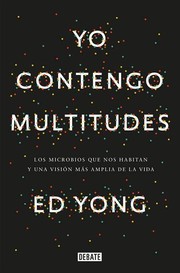
A Pulitzer Prize-winning science journalist's masterful survey of the entire field of microbiome research. It is ideal at this stage because the reader now has enough background to appreciate its nuance and its honest accounting of what science does and does not yet know.

Spector, a leading epidemiologist and microbiome researcher, systematically dismantles nutrition myths and supplement hype using real evidence. This is the perfect capstone: the reader can now apply a fully critical lens to gut health marketing and media claims.
Discussion
Keep reading
Paths that share books, cover the same subject, or open a related topic.