Ramen and Asian noodles: the best books to build the perfect bowl
This curriculum takes a home cook from zero ramen knowledge to full restaurant-quality mastery in four progressive stages. It begins with foundational Japanese cooking intuition, moves into dedicated ramen technique, then expands into the broader world of Asian noodles, and finally reaches advanced, obsessive depth — so every skill learned in each stage directly powers the next.
Foundations: Japanese Kitchen Intuition
BeginnerBuild the essential vocabulary, pantry knowledge, and Japanese cooking instincts — dashi, soy, miso, umami — that underpin every ramen component before a single bowl is attempted.
▸ Study plan for this stage
Pace: 4–5 weeks, ~40–50 pages/day, with 2–3 days per week dedicated to hands-on kitchen practice
- Dashi as the foundational stock: kombu, bonito, shiitake, and their flavor profiles and extraction techniques
- Umami as the fifth taste: how soy sauce, miso, and other fermented ingredients create depth and balance
- The Japanese pantry hierarchy: which ingredients are non-negotiable (soy, miso, sake, mirin) and why
- Fermentation principles: how koji, salt, and time transform soybeans into miso and wheat into soy sauce
- Flavor layering and balance: the interplay between salt, sweetness, acidity, and umami in Japanese cooking
- Knife skills and prep fundamentals: proper cutting techniques that affect how ingredients cook and taste
- The role of heat control and timing: how Japanese cooking prioritizes precision over high-heat cooking
- What are the four primary dashi types in Japanese cooking, and how do their flavor profiles differ?
- Why is umami considered the fifth taste, and which ingredients in the Japanese pantry are primary umami sources?
- How does the fermentation process transform soybeans into miso, and why does fermentation time matter?
- What is the difference between usukuchi (light) and koikuchi (dark) soy sauce, and when would you use each in ramen?
- How do you make a proper kombu dashi without overcooking it, and what flavor faults occur if you do?
- Describe the balance of flavors (salt, sweet, sour, umami, heat) in a well-seasoned Japanese broth or sauce.
- Make three types of dashi (kombu, bonito, and shiitake) side-by-side and taste them blind to identify flavor differences and intensity
- Prepare a miso soup using different miso varieties (white, red, and barley miso) and document how each changes the final flavor
- Create a simple Japanese broth and adjust it using only soy sauce, mirin, and salt to understand flavor layering and balance
- Practice knife cuts from Tsuji's fundamentals section: julienne, batons, and proper vegetable prep for consistent cooking
- Make a batch of quick-pickled vegetables (tsukemono) to understand how acid and salt preserve and flavor ingredients
- Conduct a blind taste test of 2–3 different soy sauces (light vs. dark, or different brands) to develop palate sensitivity to soy variations
Next up: This stage establishes the flavor vocabulary and technical muscle memory—dashi clarity, umami depth, and pantry intuition—that will become the building blocks for constructing individual ramen components (broths, tares, toppings) in the next stage.
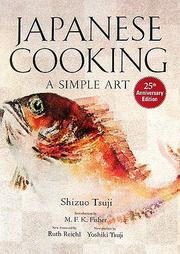
The canonical English-language bible of Japanese technique. Reading it first gives you the foundational understanding of stocks, seasoning philosophy, and ingredient logic that makes every ramen recipe make sense.
Core Ramen: Broth, Tare & the Full Bowl
BeginnerLearn to build a complete ramen bowl from scratch — rich tonkotsu, shoyu, shio, and miso broths; tare; chashu pork; soft-boiled eggs; and store-bought noodle selection — with clear, home-cook-friendly guidance.
▸ Study plan for this stage
Pace: 4–5 weeks, ~25–30 pages/day. Start with "Ivan Ramen" (weeks 1–2.5), then "Ramen at Home" (weeks 2.5–5). Allocate 2–3 days per week for hands-on cooking practice.
- Tonkotsu broth fundamentals: pork bone selection, blanching, long simmering (12–18 hours), and achieving creamy emulsion through collagen breakdown
- Shoyu, shio, and miso tare preparation: fermentation principles, salt balance, umami layering, and how tare functions as the flavor foundation of the bowl
- Chashu pork: brining, braising, slicing, and the role of fat and collagen in creating tender, flavorful meat
- Soft-boiled egg technique: timing precision for jammy yolks, marinating in tare for flavor infusion, and the importance of ice baths
- Noodle selection and pairing: understanding alkalinity (kansui), thickness, texture, and how to choose store-bought noodles that match broth weight
- Bowl assembly and balance: the interplay between broth, tare concentration, toppings, and noodle texture to create a cohesive eating experience
- Home-cook adaptations: working within time and equipment constraints while maintaining authentic flavor principles
- What are the key steps in making tonkotsu broth, and why is the initial blanching of bones important?
- How does tare function in a ramen bowl, and what are the flavor differences between shoyu, shio, and miso tares?
- Describe the process for making chashu pork and explain how fat content affects the final texture and taste.
- What is the ideal soft-boiled egg timing, and how does marinating it in tare change its flavor profile?
- How do you select store-bought noodles for home ramen, and what role does kansui (alkalinity) play in noodle texture?
- What are the main differences between the broth-building approaches in 'Ivan Ramen' and 'Ramen at Home,' and when would you use each method?
- Make a batch of tonkotsu broth from scratch using pork bones; document the color, aroma, and texture changes over 12–18 hours of simmering.
- Prepare three different tares (shoyu, shio, miso) side-by-side; taste each one and note the flavor profiles, then use them in separate bowls to understand how tare shapes the final dish.
- Braise a pork shoulder or belly for chashu; practice slicing at different thicknesses and marinating in tare to observe how texture and flavor develop over 24–48 hours.
- Cook soft-boiled eggs at 6.5, 7, and 7.5 minutes; ice-bath them immediately and marinate in tare; compare yolk consistency and flavor absorption.
- Shop for and test 3–4 different store-bought noodle brands (fresh or dried); cook each in your tonkotsu broth and evaluate how alkalinity and thickness affect the eating experience.
- Assemble 2–3 complete ramen bowls using your homemade broth, tare, chashu, and eggs; adjust tare concentration and topping ratios to find your preferred balance.
- Prepare a simplified weeknight ramen using shortcuts (store-bought broth base, quick-braised pork, or pre-cooked eggs) and compare it to your from-scratch version to understand which elements matter most.
Next up: This stage equips you with the foundational skills and flavor principles needed to build a complete, balanced ramen bowl at home; the next stage will build on these core techniques by exploring regional variations, advanced broths (dashi-based, chicken, seafood), and how to develop your own signature ramen style.

A New York chef's obsessive journey into Tokyo ramen culture, this book demystifies broth-building and tare construction with detailed, reproducible recipes and the 'why' behind every step — perfect as your first dedicated ramen text.

Written by the creator of Ramen Adventures, this is the most systematic home-cook ramen manual available — it walks through every regional Japanese style (Sapporo, Hakata, Tokyo) with modular broth, tare, and topping recipes you can mix and match.
Noodles from Scratch & Regional Depth
IntermediateMaster hand-making alkaline ramen noodles and expand into the wider Asian noodle universe — Chinese, Korean, and Southeast Asian — understanding how noodle type, broth, and toppings form a coherent regional system.
▸ Study plan for this stage
Pace: 4–5 weeks, ~40–50 pages/day, with 2–3 hands-on cooking sessions per week
- Korean noodle traditions and their regional variations (kalguksu, naengmyeon, ramyeon)
- The role of fermentation and umami-building ingredients in Korean broths and sauces (gochugaru, doenjang, gochujang)
- How Korean noodle dishes balance heat, acidity, and richness as a coherent flavor system
- The cultural and historical context of Korean food in diaspora and how it shapes ingredient sourcing and technique
- Alkaline noodle dough fundamentals applied to Korean wheat noodles and hand-pulled variations
- The interplay between noodle shape, broth viscosity, and topping selection in creating a complete dish
- Modern Korean restaurant kitchen operations and how noodle dishes fit into broader menu strategy
- What are the key differences between kalguksu, naengmyeon, and ramyeon, and what broths and toppings define each?
- How do fermented ingredients like doenjang and gochugaru contribute to the umami foundation of Korean noodle broths?
- What is the role of alkaline water or potassium carbonate in Korean wheat noodles, and how does it differ from Japanese ramen noodle preparation?
- How does Deuki Hong use his family history and Korean-American experience to explain the evolution of Korean noodle dishes?
- What techniques does Hong describe for building complex broths that balance heat, acidity, and richness?
- How do you select and prepare toppings to complement a specific Korean noodle dish, and why does this matter?
- Make a batch of Korean wheat noodle dough from scratch (with or without alkaline water) and hand-cut or hand-pull noodles; taste and compare texture to store-bought
- Prepare a Korean fermented broth base (doenjang or gochugaru-forward) and taste it at different stages to understand how umami develops over time
- Cook kalguksu from scratch: make the dough, hand-cut noodles, prepare a simple anchovy or vegetable broth, and assemble with seasonal vegetables
- Prepare naengmyeon (cold noodles) with a homemade broth concentrate and chill it; serve with pickled vegetables and a soft-boiled egg to understand the balance of heat and cold
- Create a ramyeon-style bowl using a rich pork or chicken broth, alkaline noodles, and a gochugaru-based sauce; taste how the heat builds and how fat carries flavor
- Research and source Korean ingredients (gochugaru, doenjang, Korean fish sauce) from a local Korean market or online; document flavor profiles and how they compare to Japanese or Chinese equivalents
- Host a tasting of 2–3 different Korean noodle dishes (homemade or from a restaurant) and map out the flavor profiles, noodle types, and broths to identify the regional system
Next up: This stage grounds you in the Korean noodle system—fermentation, heat, and umami balance—providing a foundation to compare and contrast with Chinese, Southeast Asian, and other regional noodle traditions in the next stage.

Introduces the Korean noodle canon — jjajangmyeon, naengmyeon, ramyeon — with the same depth of broth and banchan context, showing how Korean flavor logic differs from and complements Japanese ramen technique.
Advanced Mastery: Restaurant-Level Obsession
ExpertReach the level of a ramen professional — understanding the food science of emulsified tonkotsu, complex layered tares, regional Japanese ramen history, and the philosophy of bowl composition that separates good ramen from transcendent ramen.
▸ Study plan for this stage
Pace: 8–10 weeks, ~40–50 pages/day (mix of dense food science and narrative), with 1–2 days per week for hands-on cooking experiments
- Emulsification science: how pork fat and collagen from bones create stable, creamy tonkotsu broths through heat and agitation
- Tare composition and layering: umami building blocks (soy, miso, fish sauce, aromatics) and how to balance salt, acid, and depth in a single bowl
- Regional Japanese ramen traditions: Hakata tonkotsu, Shoyu ramen, Miso ramen, and how geography/ingredients shaped distinct styles
- The Maillard reaction and browning: how David Chang applies Western technique to Asian ingredients for depth and complexity
- Noodle-broth-topping synergy: understanding how noodle hydration, texture, and cook time must align with broth viscosity and flavor intensity
- Restaurant kitchen philosophy: consistency, mise en place, and the discipline required to execute excellence at scale
- Food science methodology: how to test hypotheses in the kitchen (temperature, timing, ingredient ratios) rather than relying on tradition alone
- Explain the chemistry of tonkotsu emulsification: why does prolonged simmering with agitation create a creamy white broth, and what role do collagen and fat play?
- What are the core components of a ramen tare, and how would you balance umami, salt, and acidity to create a complex, layered flavor profile?
- Compare and contrast three regional Japanese ramen styles (e.g., Hakata, Shoyu, Miso): what ingredients and techniques define each, and why did they develop in their respective regions?
- How does David Chang apply Western culinary technique (e.g., Maillard reaction, sous vide, modern plating) to ramen, and what does this reveal about the relationship between tradition and innovation?
- Describe the relationship between noodle texture, broth viscosity, and cooking time: how would you adjust each variable if your broth is too thin or your noodles are absorbing too much liquid?
- What does 'bowl composition' mean in the context of professional ramen? How do you ensure every spoonful delivers balanced flavor, texture, and temperature?
- Make a tonkotsu broth from scratch using pork bones, tracking temperature, simmer time, and agitation method; taste it at 12, 24, and 48 hours to understand how emulsification develops over time
- Create three different tares (shoyu-based, miso-based, and a David Chang-inspired hybrid) using the same base ingredients but varying ratios; blind taste-test them to identify which umami components dominate each
- Research and recreate one regional ramen style (Hakata, Shoyu, or Miso) using historical context from the books; document how local ingredients and kitchen constraints shaped the final dish
- Conduct a Maillard reaction experiment: brown aromatics (garlic, ginger, onion) at different temperatures and times, then add them to broths to compare depth and complexity
- Prepare a complete ramen bowl with fresh noodles, broth, tare, and toppings; adjust noodle cook time and broth temperature mid-service to achieve the ideal texture and flavor balance
- Visit or study a professional ramen restaurant's workflow; map out their mise en place, broth management, and plating process to understand how consistency is maintained at scale
Next up: This stage transforms you from a skilled home cook into someone who understands the *why* behind every decision in a ramen bowl—preparing you to either teach others, develop your own signature style, or move into specialized topics like regional variations, ingredient sourcing, or opening your own ramen concept.

Chang's foundational restaurant cookbook reveals the creative philosophy behind deconstructing and reconstructing Asian noodle traditions, including his iconic ramen broth and pork belly — essential reading for understanding modern ramen's creative frontier.

The definitive science-of-cooking reference: use it to deeply understand the Maillard reaction in chashu, fat emulsification in tonkotsu, and egg-cooking precision — the scientific backbone that lets you troubleshoot and perfect any ramen component.
Discussion
Keep reading
Paths that share books, cover the same subject, or open a related topic.