Cuban cooking looks simple on a plate: roast pork, black beans, rice, plantains. That simplicity hides real technique. Get the sofrito, the mojo, and the timing wrong and the whole meal falls flat. So the trap for beginners is chasing recipes without learning the handful of building blocks every dish leans on.
A smart reading order starts with confidence-building classics, deepens into the memory and history behind the food, then rounds out with modern and Spanish-language perspectives. Each book adds a layer without losing the plot.
Build the classics
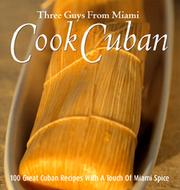
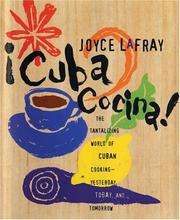
Start with Three Guys from Miami Cook Cuban, a friendly, well-tested introduction that nails the staples and explains the flavor base most dishes share. Then Cuba Cocina! by Joyce LaFray broadens your repertoire with a big, reliable spread of everyday Cuban and Cuban-American cooking, giving you plenty to practice while your instincts form.
Cook with memory and place
Once the basics feel natural, read for depth. Memories of a Cuban kitchen by Mary Urrutia Randelman is part cookbook, part family history, and it grounds the recipes in the culture that shaped them. The Cuban table by Ana Sofia Pelaez pairs gorgeous, authoritative recipes with reporting on how Cubans actually eat, at home and across generations.
Go modern and beyond
To see where the cuisine is heading, read Paladares by Anya Von Bremzen, a rich look at Cuba's private-restaurant scene and the cooks reinventing tradition under real constraints. Finish with Cocina cubana by Raquel Rabade Roque, a comprehensive Spanish-language collection that rewards anyone who wants the fullest, most traditional canon in the original language.
Work these in order and Cuban cooking stops being a list of recipes and becomes a set of instincts. Follow the full path to cook a Cuban table that tastes like it came from someone's abuela.
Follow the full reading path →
Ready to learn something deeply?
Build a reading path — free