The Best Books on Eastern European Cooking
This curriculum takes you from the shared soul of Eastern European cooking — its peasant roots, pantry staples, and comfort-food logic — through the distinct national traditions of Poland, Ukraine, Russia, and Hungary, and finally into the craft-level techniques and cultural depth that turn a home cook into a true practitioner. Each stage builds the flavor vocabulary and kitchen confidence needed for the next, so that by the end you can cook across the whole region with intuition and authenticity.
Foundations: The Eastern European Kitchen
BeginnerUnderstand the shared pantry, flavor principles, and comfort-food logic that unite Eastern European cuisines — sour cream, dill, beets, cabbage, pork, rye — and cook your first approachable soups, dumplings, and stews.
The definitive English-language introduction to the cooking of the former Soviet world. It covers Russia, Ukraine, Georgia, and beyond with clear recipes and rich cultural context — the perfect first map of the region.
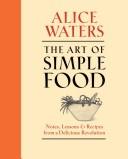
Not Eastern European, but included here as a bridge: it teaches the foundational technique mindset — building flavor from humble, seasonal ingredients — that underpins all Eastern European peasant cooking before you dive into specific traditions.
Polish & Ukrainian Hearth: Dumplings, Soups & Borscht
BeginnerMaster the iconic dishes of Poland and Ukraine — pierogi, bigos, żurek, borscht, and varenyky — and understand how these two closely related cuisines differ in spirit and technique.
▸ Study plan for this stage
Pace: 4–5 weeks, ~25–30 pages/day, alternating between reading and cooking. Weeks 1–2: "Polska" (focus on pierogi, bigos, żurek chapters); Weeks 3–4: "Mamushka" (focus on varenyky, borscht, Ukrainian techniques); Week 5: review and comparative cooking.
- Pierogi as the foundational dumpling form: fillings, folding techniques, and regional Polish variations
- Żurek (sour rye soup) as distinctly Polish: fermentation, sourdough starter, and its role in Polish food culture
- Bigos (hunter's stew) as a layered, slow-cooked preservation technique central to Polish home cooking
- Varenyky as the Ukrainian counterpart to pierogi: dough differences, filling traditions, and cultural significance
- Borscht as a shared but distinct dish: Polish vs. Ukrainian approaches to beet soup, broth bases, and regional variations
- How fermentation, preservation, and peasant resourcefulness shape both cuisines' core techniques
- The emotional and historical weight of these dishes in Polish and Ukrainian family traditions
- What are the key differences between Polish pierogi dough and Ukrainian varenyky dough, and why do these differences matter?
- How does żurek exemplify Polish fermentation techniques, and what role does the sourdough starter play?
- Describe the layering and cooking method of bigos. Why is it considered a preservation dish, and how does it improve over time?
- Compare the Polish and Ukrainian approaches to borscht: what are the main broth bases, key ingredients, and flavor profiles that distinguish them?
- What do the dishes in 'Polska' and 'Mamushka' reveal about the historical and cultural relationship between Polish and Ukrainian cuisines?
- How would you explain the concept of 'peasant resourcefulness' as it appears in both cuisines' approach to dumplings and soups?
- Make at least 3 different pierogi fillings from 'Polska' (potato-cheese, sauerkraut-mushroom, meat) and master the folding technique; compare texture and taste across batches
- Prepare żurek from 'Polska' twice: once following the exact recipe, once experimenting with your own sourdough starter to understand fermentation's impact
- Cook bigos from 'Polska' and taste it on day 1, day 3, and day 7 to experience how the flavors develop and meld
- Make varenyky from 'Mamushka' using at least 2 fillings (cherry, potato-cheese, or mushroom) and directly compare the dough and cooking method to your pierogi
- Prepare both a Polish-style borscht (from 'Polska') and a Ukrainian-style borscht (from 'Mamushka') side-by-side, documenting the broth base, key ingredients, and final flavor profile
- Host a tasting meal featuring 2–3 dishes from each book; invite someone familiar with Eastern European cooking to discuss family traditions and regional variations
Next up: Having mastered the dumpling and soup foundations of Polish and Ukrainian cooking, you'll be ready to explore the broader vegetable-forward and meat-based dishes of the region, building on the fermentation and slow-cooking techniques you've internalized.

A beautifully photographed, accessible modern guide to Polish cooking. Zak explains the logic of the Polish table — from pierogi to hunter's stew — in a way that is welcoming for beginners while remaining authentic.

Hercules brings Ukrainian and broader post-Soviet home cooking to life with warmth and precision. Her borscht, dumplings, and pickled vegetable recipes are essential, and her storytelling gives the food deep cultural meaning.
Russian & Hungarian Tables: Richness & Paprika
IntermediateExplore the distinct personalities of Russian and Hungarian cuisines — Russian zakuski culture, blini, pelmeni, and beef Stroganoff on one side; Hungarian goulash, paprikash, lángos, and layered casseroles on the other.
▸ Study plan for this stage
Pace: 6–7 weeks, ~40–50 pages/day. Start with Goldstein (2 weeks), move to Lang (2.5 weeks), finish with Hercules (1.5–2 weeks). Allow 3–4 days between books for recipe testing and reflection.
- Russian zakuski culture as a philosophy of hospitality and small-plate abundance, grounded in Goldstein's historical and social context
- Blini, pelmeni, and beef Stroganoff as signature Russian dishes that reflect peasant resourcefulness and imperial refinement
- Hungarian paprika as a defining spice and cultural identity marker, from its introduction to its role in goulash and paprikash
- The layered, slow-cooked casserole tradition in Hungarian cooking (pörkölt, paprikash) as distinct from Russian approaches
- Lángos and fried breads as expressions of Hungarian street food and festive culture
- Caucasian (Georgian, Armenian, Azerbaijani) ingredients and techniques as a bridge between Russian and Middle Eastern cuisines, per Hercules
- How geography, climate, and trade routes shaped the spice profiles and ingredient availability of each region
- The role of dairy, preserved foods, and fermentation across all three cuisines as survival and flavor strategies
- What is zakuski culture, and why was it central to Russian hospitality and social life according to Goldstein?
- How do blini, pelmeni, and beef Stroganoff each reflect different aspects of Russian culinary history—peasant, imperial, or both?
- What role did paprika play in Hungarian cuisine after its introduction, and how does it distinguish Hungarian goulash from Russian beef stews?
- Compare the cooking methods and flavor profiles of Hungarian paprikash and pörkölt. What makes them distinct from Russian slow-cooked dishes?
- How do Caucasian cuisines (as presented by Hercules) differ from Russian and Hungarian approaches, and what ingredients or techniques do they share?
- What is the significance of lángos in Hungarian food culture, and how does it compare to Russian fried breads or pastries?
- Prepare a full zakuski spread (3–5 items from Goldstein: herring, beets, mushrooms, cheese, cured meats) and document the flavors, textures, and social experience of eating small plates in sequence
- Make blini from Goldstein's recipe and test at least two toppings (sour cream + caviar, smoked salmon, mushroom ragout); note how blini function as a vehicle and canvas
- Prepare pelmeni from scratch (dough and filling), boil and serve with sour cream and/or broth; reflect on the technique and why this dish sustained Russian families
- Cook beef Stroganoff using Goldstein's guidance; compare your version to a Hungarian paprikash side-by-side to identify how sour cream, paprika, and cooking time differ
- Make Hungarian goulash (pörkölt) from Lang, paying close attention to paprika quality, caramelization of meat, and the slow-cooking process; taste at different stages
- Prepare Hungarian paprikash (chicken or veal) from Lang and compare it directly to your beef Stroganoff; document differences in sauce consistency, spice intensity, and final flavor
- Fry lángos from Lang's recipe and serve with garlic and sour cream; compare the texture and cultural context to Russian blini
- Cook a Caucasian dish from Hercules (e.g., Georgian khachapuri, Armenian kufta, or Azerbaijani plov) and identify which Russian and Hungarian elements it shares or diverges from
Next up: This stage establishes the foundational regional personalities and signature dishes of Eastern Europe, preparing you to explore how these cuisines intersect with Central European (Polish, Czech, Slovak) and Balkan traditions, and how they adapt across diaspora communities.

Goldstein is the foremost English-language scholar of Russian food. This book focuses on the deep, cold-climate roots of Russian cooking and gives you both the recipes and the cultural framework to understand why Russian food tastes the way it does.
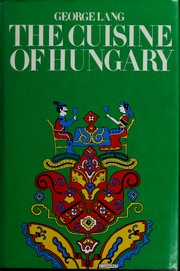
The canonical English-language authority on Hungarian cooking. Lang covers everything from gulyás to rétes with historical depth and precise recipes — a must-read before attempting serious Hungarian dishes.

Hercules's follow-up broadens your Eastern European palate into the Caucasian neighbors that heavily influenced Russian and Ukrainian cooking, adding walnut sauces, herb-forward dishes, and ferments that deepen your regional understanding.
Deep Craft: Fermentation, Bread & the Full Larder
IntermediateGo beyond individual recipes to master the preserved, fermented, and baked foundations of the Eastern European larder — sauerkraut, kvass, rye bread, pickles, and cured meats — that give the cuisine its signature tang and depth.
▸ Study plan for this stage
Pace: 8–10 weeks, ~40–50 pages/day. Allocate 4–5 weeks to "The Art of Fermentation" (covering foundational science and techniques), then 4–5 weeks to "The Rye Baker" (focusing on dough development, fermentation timing, and baking mastery). Build in 1–2 weeks for overlap and hands-on practice.
- Microbial ecology and the role of wild yeasts, lactobacilli, and beneficial bacteria in fermentation
- Anaerobic vs. aerobic fermentation processes and how salt, temperature, and time control microbial activity
- Flavor development through fermentation: sourness, umami, and preservation as byproducts of microbial metabolism
- Rye flour chemistry: pentosans, bran structure, and how rye differs from wheat in hydration, gluten development, and fermentation behavior
- Long, cool fermentation as the foundation of Eastern European rye bread: building flavor and digestibility through time rather than commercial yeast
- The sourdough starter as a living culture: maintaining, feeding, and understanding the microbial balance in your starter
- Practical preservation: applying fermentation principles to sauerkraut, kvass, pickles, and cured meats to create shelf-stable, flavorful foundations
- Scaling and troubleshooting: adapting fermentation and baking techniques to your kitchen environment, climate, and available ingredients
- What are the key differences between wild fermentation and controlled fermentation, and how do salt concentration, temperature, and anaerobic conditions influence which microbes dominate?
- Why does rye bread require different hydration, mixing, and fermentation strategies than wheat bread, and how do pentosans and bran affect dough structure?
- How do you build and maintain a healthy sourdough starter, and what signs indicate a starter is ready for baking?
- What is the relationship between fermentation time, flavor development, and digestibility in Eastern European rye bread, and why do traditional recipes call for long, cool ferments?
- How can you apply fermentation principles from 'The Art of Fermentation' to create sauerkraut, kvass, and pickles that are both flavorful and shelf-stable?
- What are the common pitfalls in rye baking (dense crumb, gumminess, poor rise) and how do you diagnose and correct them using the techniques in 'The Rye Baker'?
- Start a sourdough starter from scratch using the principles in Katz's book; feed and observe it daily for 2 weeks, documenting microbial activity, smell, and rise patterns
- Make a batch of sauerkraut (1–2 lbs cabbage) using wild fermentation; taste and document flavor changes weekly for 4 weeks, noting how salt and temperature affect the process
- Brew a small batch of kvass following Katz's guidance; compare the fermentation timeline and flavor profile to a second batch with different ingredients or fermentation temperature
- Bake at least 3 loaves of rye bread using recipes from Ginsberg, varying fermentation time (e.g., 12, 18, and 24 hours) and documenting how each affects crumb structure, sourness, and digestibility
- Conduct a side-by-side comparison: bake one rye loaf with your mature sourdough starter and one with commercial yeast; evaluate flavor, crust, and crumb to understand the impact of fermentation culture
- Make a batch of fermented pickles or cured meat (e.g., simple salt-cured pork belly) using Katz's fermentation framework; monitor microbial activity and taste development over 2–4 weeks
Next up: This stage equips you with the science and hands-on mastery of fermentation and bread-baking that form the backbone of Eastern European cooking, preparing you to integrate these preserved and fermented foundations into complete, cohesive meals and seasonal menus in the next stage.

The definitive guide to fermentation worldwide, with extensive coverage of the sour pickles, kvass, kefir, and lacto-fermented vegetables that are absolutely central to Eastern European cooking. Reading this unlocks the 'why' behind the region's signature flavors.

Rye bread is the backbone of Eastern European food culture from Warsaw to Moscow. Ginsberg's authoritative book covers Polish, Russian, Ukrainian, and Baltic rye breads with technical precision, taking your baking to a serious level.
Mastery & Cultural Immersion
ExpertSynthesize the full region with scholarly, chef-level, and narrative works that connect food to history, identity, and season — enabling you to cook intuitively across all four traditions and understand Eastern European food as a living culture.
▸ Study plan for this stage
Pace: 8–10 weeks, ~40–50 pages/day, with 2–3 cooking sessions per week
- Georgia's ancient wine culture and its role in defining national identity through terroir, natural fermentation, and qvevri vessels
- Soviet food as a political and social mirror: rationing, communal dining, and how scarcity shaped flavor profiles and cooking techniques
- The relationship between geography, climate, and ingredient availability across Eastern European regions
- Food as memory and resistance: how families preserved culinary traditions through upheaval and ideological control
- Seasonal and ritual eating patterns that connect food to Orthodox and folk traditions
- The transition from Soviet-era cooking to post-Soviet revival: nostalgia, authenticity, and contemporary Eastern European cuisine
- Intuitive cooking across traditions: understanding flavor logic, technique transfer, and improvisation within regional constraints
- How does Georgia's ancient wine tradition (qvevri fermentation, natural yeasts, soil expression) reflect the country's cultural identity, and how does this compare to Soviet-era approaches to food and tradition?
- What role did scarcity and state control play in shaping Soviet cooking techniques, flavor preferences, and family food rituals, and how do these legacies persist in contemporary Eastern European cuisine?
- How do seasonal rhythms and Orthodox/folk traditions structure eating patterns across Georgia and the Soviet regions, and what does this reveal about the relationship between food and spirituality?
- How did Eastern European families use cooking and food memory to resist cultural erasure during the Soviet period, and what does this teach us about food as an act of identity preservation?
- What are the key flavor principles, ingredient substitutions, and cooking intuitions that allow you to cook confidently across Georgian and Soviet-influenced traditions?
- How do you distinguish between authentic historical practice, Soviet-era adaptation, and post-Soviet nostalgia when interpreting Eastern European recipes and food narratives?
- Cook 3–4 Georgian dishes from 'Tasting Georgia' (e.g., khachapuri, pkhali, a meat stew) while reading Capalbo's narrative sections; document how her storytelling deepens your understanding of technique and ingredient choice
- Conduct a qvevri wine tasting (or research tasting notes) while reading Capalbo's wine chapters; compare natural fermentation principles to industrial Soviet-era beverage production to understand philosophical differences
- Recreate 2–3 Soviet-era dishes from 'Mastering the Art of Soviet Cooking' (e.g., olivier salad, pelmeni, a beet or cabbage dish) and reflect on how rationing constraints shaped the recipe; then modify one dish with modern ingredients to understand the logic of substitution
- Interview a family member or friend with Eastern European heritage about a food memory from their childhood or family; document the dish, the historical context, and what it reveals about food as cultural memory—then attempt to cook it
- Create a seasonal eating calendar for Georgia and one Soviet region (e.g., Ukraine, Russia) based on Capalbo and Von Bremzen's descriptions; identify overlaps and differences in how each culture marks time through food
- Write a 2–3 page comparative analysis: choose one ingredient (e.g., beets, cabbage, dairy, grain) and trace how it appears across Georgian and Soviet cuisines in Capalbo and Von Bremzen; explore how geography, ideology, and tradition shaped its use
Next up: This stage equips you with deep historical, cultural, and technical knowledge of two major Eastern European food traditions, positioning you to synthesize these insights with the remaining regional cuisines (Polish, Hungarian, Balkan) and develop a comprehensive, intuitive mastery of the entire Eastern European food landscape in the final stage.

A masterwork of food travel writing and recipes that shows how the Eastern European and Caucasian traditions interweave. Reading this at the advanced stage reveals the full geographic and cultural arc of the region's cooking.
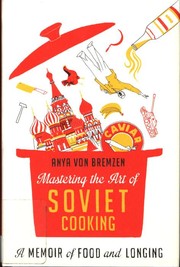
Von Bremzen's memoir-cookbook is the most literary and culturally rich account of Soviet-era food ever written in English. At this stage it ties together everything you've cooked and learned into a profound understanding of how history, politics, and identity live on the plate.
Discussion
Keep reading
Paths that share books, cover the same subject, or open a related topic.