Best books for highly sensitive people (HSP)
This curriculum takes a beginner with little framework for understanding high sensitivity and guides them through four progressive stages: first building self-recognition and core vocabulary, then tackling the inner emotional world (empathy and overstimulation), then developing practical skills (boundaries and relationships), and finally reframing sensitivity as a strategic strength. Each stage assumes the language and insight of the one before it, creating a coherent, cumulative journey.
Foundations: Understanding Who You Are
BeginnerRecognize the HSP trait scientifically and personally, build core vocabulary (sensory processing sensitivity, overstimulation, introversion vs. HSP), and feel validated before doing any deeper work.
▸ Study plan for this stage
Pace: 4–5 weeks, ~25–30 pages/day (approximately 150–180 pages total)
- Sensory Processing Sensitivity (SPS) as a measurable, neurobiological trait distinct from introversion, shyness, or neuroticism
- The four core characteristics of HSPs: depth of processing, overstimulation, emotional reactivity, and sensitivity to subtleties
- How HSPs process information more thoroughly, leading to both advantages (conscientiousness, creativity, empathy) and challenges (overwhelm, fatigue)
- The difference between introversion and high sensitivity—they are separate traits that often co-occur but are not synonymous
- Overstimulation as a physiological response, not a personal weakness or character flaw
- How HSP traits manifest across different life domains: relationships, work, sensory environments, and emotional experiences
- Self-validation through recognizing your trait as inborn and adaptive, not something to 'fix'
- The prevalence of HSP (approximately 15–20% of the population) and its presence across cultures and species
- What is Sensory Processing Sensitivity, and how does it differ from introversion or social anxiety?
- Can you describe the four core characteristics of the HSP trait and give a personal example of each?
- Why do HSPs become overstimulated, and what happens in their nervous system during overstimulation?
- How can HSP traits be adaptive advantages in certain contexts, and what evidence does Aron provide for this?
- What is the relationship between HSP and introversion, and why is it important to distinguish between them?
- How does understanding yourself as an HSP change your perspective on your past experiences and current challenges?
- Complete Aron's HSP self-test (included in the book) and score yourself; journal about which items resonated most and why
- Create a personal 'sensitivity profile' by documenting three situations where you felt overstimulated this week—note the sensory, emotional, and physical details
- Identify and list five strengths you possess that align with HSP traits (e.g., noticing details, empathy, conscientiousness); reflect on how these have served you
- Interview a close friend or family member about times they've observed your sensitivity; compare their observations with your self-perception
- Track your energy levels and overstimulation patterns for one week using a simple log; note triggers (noise, crowds, emotional intensity, visual clutter) and recovery needs
- Reframe one negative self-criticism about your sensitivity into a neutral or positive observation (e.g., 'I'm too emotional' → 'I process emotions deeply and notice nuance')
Next up: This stage establishes the scientific and personal foundation for understanding HSP as a valid trait, preparing you to move into practical strategies for managing overstimulation and optimizing your environment in the next stage.
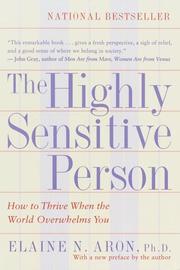
The foundational, canonical text that coined the term HSP and introduced the research behind sensory processing sensitivity — the essential starting point for any HSP curriculum.
A modern, accessible companion that broadens the science and normalizes the HSP experience across culture and work — best read second to reinforce and expand Aron's framework with fresh research.
The Inner World: Empathy and Emotional Depth
BeginnerUnderstand the empathy spectrum (including emotional contagion and empaths), learn to distinguish your feelings from others', and begin managing the emotional overwhelm that comes with deep feeling.
▸ Study plan for this stage
Pace: 8–10 weeks, ~40–50 pages/day (alternating between both books to reinforce concepts in parallel)
- The empathy spectrum: recognizing yourself as a highly sensitive person, empath, or emotionally aware person, and understanding where you fall on this spectrum
- Emotional contagion: how you absorb and are affected by others' emotions, and the physiological mechanisms behind it
- The distinction between your own emotions and absorbed emotions from others—developing emotional boundaries and awareness
- Self-awareness as the foundation of emotional intelligence: recognizing your emotional triggers, patterns, and physical sensations
- Emotional regulation techniques: grounding, shielding, and energy management strategies specific to highly sensitive people
- Empathy without self-abandonment: balancing compassion for others with protection of your own emotional wellbeing
- The neurobiology of sensitivity: how highly sensitive brains process stimuli differently and why you feel more deeply
- Practical tools for managing overwhelm: identifying your personal overwhelm threshold and creating a personal emotional toolkit
- Where do you fall on the empathy spectrum, and what are the specific characteristics that define your sensitivity level?
- What is emotional contagion, and how does it manifest in your daily life—can you identify a recent example?
- How can you distinguish between emotions that originate from you versus emotions you've absorbed from others?
- What are your primary emotional triggers, and what physical sensations alert you that you're becoming emotionally overwhelmed?
- Which emotional regulation techniques from the books resonate most with you, and how will you practice them?
- How can you maintain empathy and compassion while also protecting your own emotional boundaries?
- Complete the empath self-assessment from 'The Empath's Survival Guide' and journal about which traits resonate most strongly; revisit this monthly to track changes
- Practice the 'emotional boundary-setting' exercise: for one week, pause before responding to someone's emotional distress and ask yourself, 'Is this my emotion or theirs?'
- Create a personal 'emotional overwhelm inventory': list your top 5 triggers, the physical sensations you experience, and one grounding technique for each
- Try Orloff's shielding meditation daily for 2 weeks; record in a journal how your energy and emotional state shift before and after
- Conduct a 'feeling audit' using Goleman's self-awareness framework: track your emotions and their sources for 3 days, noting whether each came from you or external sources
- Design your personal emotional toolkit: choose 3–5 regulation techniques from both books and practice each in low-stress situations before relying on them during overwhelm
Next up: This stage equips you with the language, self-awareness, and foundational tools to recognize and manage your sensitivity, preparing you to move into the next stage where you'll learn how to harness this depth of feeling as a strength in relationships and professional settings.

Bridges the HSP trait directly into the lived experience of absorbing others' emotions, offering the first practical tools for emotional self-protection — a natural next step after identifying as an HSP.

Provides the broader scientific framework for emotions, empathy, and self-regulation, giving HSPs an intellectual map for why they feel so intensely and how those feelings can be understood and guided.
Practical Skills: Boundaries, Relationships, and Overstimulation
IntermediateDevelop concrete, actionable skills for setting boundaries, managing overstimulation in daily life, and navigating relationships (romantic, family, workplace) as a highly sensitive person.
▸ Study plan for this stage
Pace: 8–10 weeks, ~25–35 pages/day (accounting for reflection and note-taking). Week 1–3: "Set Boundaries, Find Peace" (~300 pages); Week 4–6: "The Highly Sensitive Person in Love" (~280 pages); Week 7–8: "Quiet - Summarized for Busy People" (~150 pages); Week 9–10: Integration and skill consolidation.
- Boundary-setting as self-care: understanding why HSPs need clear boundaries and how to establish them without guilt (Tawwab's framework)
- The physiology and emotional depth of highly sensitive people: recognizing how nervous system sensitivity affects relationships and daily functioning (Aron's research)
- Overstimulation management: identifying triggers, recognizing early warning signs, and implementing practical recovery strategies specific to HSP needs
- Relationship dynamics for HSPs: navigating intimacy, communication, and partner expectations in romantic relationships while honoring sensitivity
- Family and workplace boundaries: applying boundary-setting principles across different relationship contexts with varying power dynamics
- The introvert-HSP connection: understanding how introversion and high sensitivity intersect, and leveraging quiet/reflection as strengths rather than limitations
- Communication skills for sensitive people: expressing needs assertively without over-explaining or people-pleasing (Tawwab's approach)
- Recovery and self-regulation: creating personal protocols for decompression, solitude, and nervous system regulation
- What are the four main types of boundaries Tawwab identifies, and how do they apply specifically to your life as a highly sensitive person?
- How does Aron explain the neurobiological basis of high sensitivity, and what does this mean for how you approach relationships and overstimulation?
- What are the early warning signs that you are becoming overstimulated, and what concrete recovery strategies from these books work best for your nervous system?
- How can you set boundaries in a romantic relationship while maintaining emotional intimacy and addressing your partner's potential resistance (drawing on both Tawwab and Aron)?
- What is the relationship between introversion and high sensitivity according to 'Quiet,' and how does understanding this distinction change your approach to social situations?
- How would you handle a boundary violation in a family or workplace setting using the communication frameworks from Tawwab, and what self-care would you need afterward?
- Boundary audit: Map your current boundaries (or lack thereof) in three key relationships using Tawwab's four boundary types. Identify one boundary to establish in each relationship and write a specific, non-negotiable statement for each.
- Overstimulation trigger log: Track your overstimulation patterns for 2 weeks—note the trigger, your physical/emotional response, and what helped you recover. Use this data to create a personalized 'overstimulation protocol' with 3–5 go-to recovery strategies.
- Relationship conversation: Have a structured conversation with your romantic partner (or close friend) about your sensitivity using Aron's framework. Explain one specific way your sensitivity shows up and request one concrete accommodation or understanding.
- Boundary-setting role-play: Practice delivering a boundary statement in a low-stakes scenario (e.g., declining a social invitation, asking for alone time). Record yourself or practice with a trusted person, then apply it to a real situation within the week.
- Introversion vs. sensitivity reflection: Write a 1–2 page reflection on how introversion and high sensitivity show up differently in your life. Identify one situation where you've conflated the two, and plan how you'll address it differently going forward.
- Workplace or family boundary plan: Choose one recurring boundary challenge in your workplace or family. Design a specific, step-by-step boundary-setting plan using Tawwab's communication approach, including how you'll manage your own nervous system during the conversation.
Next up: This stage equips you with concrete tools to protect your energy and navigate relationships, setting the foundation for the next stage, which will likely deepen your understanding of self-compassion, identity, and thriving (rather than merely surviving) as a highly sensitive person in a demanding world.
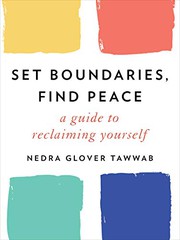
The clearest, most practical modern guide to building boundaries — essential for HSPs who struggle to say no; best read after emotional groundwork is laid so the skills have a foundation to land on.
Returns to Aron's research to apply it specifically to intimate relationships, addressing the unique challenges HSPs face with conflict, closeness, and overstimulation in partnership.

Though focused on introversion, this book deeply overlaps with the HSP experience in work and social settings, and provides powerful reframing tools for navigating a loud, overstimulating world.
Turning Sensitivity Into Strength
ExpertReframe high sensitivity as a genuine competitive and creative advantage, integrate the trait into a confident identity, and build a life and career that works with — not against — your nervous system.
▸ Study plan for this stage
Pace: 8–10 weeks, ~25–30 pages/day. The workbook requires slower, reflective pacing with exercises; allocate 5–6 weeks for it, then 3–4 weeks for Bittersweet's denser narrative and philosophical content.
- The four core processing advantages of high sensitivity: depth of processing, awareness of subtleties, emotional reactivity, and sensitivity to overstimulation—and how to leverage them creatively and professionally
- The distinction between sensitivity as a liability versus sensitivity as a trait that enables deeper work, richer relationships, and greater conscientiousness
- Practical nervous system regulation strategies from the workbook: identifying personal thresholds, designing environments, and building recovery routines that prevent burnout
- The 'bittersweet' lens: understanding how sensitive people naturally perceive and create meaning from poignancy, loss, and complexity—a source of artistic and emotional depth
- Identity integration: moving from shame or denial about sensitivity to owning it as a core strength that shapes your values, choices, and life direction
- Career and life design aligned with your nervous system: choosing roles, relationships, and rhythms that honor rather than fight your sensitivity
- The role of sensitivity in creativity, conscientiousness, and moral awareness—connecting the trait to tangible professional and personal advantages
- What are the four core processing advantages of high sensitivity, and how can you apply at least two of them to your current work or creative pursuits?
- How does Aron's workbook help you identify your personal overstimulation thresholds, and what specific environmental or behavioral changes have you made as a result?
- What does Cain mean by 'bittersweet,' and how does this concept change your understanding of sensitivity as a source of meaning-making rather than weakness?
- Describe a recent situation where your sensitivity was actually an asset (depth of insight, ethical awareness, creative perception, conscientiousness). How can you build more of these situations into your life?
- What does a 'sensitivity-aligned' career or lifestyle look like for you specifically? What would need to change in your current environment or choices?
- How has your identity relationship to sensitivity shifted through this stage? What beliefs about yourself have you revised?
- Complete Aron's workbook exercises on identifying your personal sensitivity profile: thresholds, triggers, and processing style. Document 3–5 concrete patterns you notice about when and how you become overstimulated.
- Design a personal 'nervous system maintenance plan': map your current recovery practices (sleep, solitude, nature, creative outlets) and identify 2–3 new ones to experiment with based on the workbook's suggestions.
- Conduct a 'sensitivity audit' of your current environment (home, workplace, relationships): identify 3 sources of unnecessary overstimulation and design one concrete change for each.
- Read a passage from Bittersweet that resonates with you and write a 1–2 page reflection on a time your sensitivity helped you perceive beauty, meaning, or ethical complexity that others missed.
- Interview yourself or journal: describe a professional or creative achievement you're proud of, then trace how your sensitivity (depth, conscientiousness, awareness of subtleties) contributed to it. Repeat for 2–3 examples.
- Create a 'sensitivity reframe' document: list 5–10 traits you've historically seen as weaknesses (anxiety, overwhelm, emotional intensity) and rewrite each as a potential strength or advantage, with one concrete example of how it could serve you.
Next up: This stage equips you with both the psychological framework (from Aron) and the philosophical permission (from Cain) to see sensitivity as a genuine asset; the next stage will likely focus on applying this integrated identity to specific life domains—relationships, parenting, career decisions, or creative work—with concrete strategies for thriving rather than merely surviving.
A structured, reflective companion to Aron's original book that helps consolidate everything learned so far into personal insight and lasting behavioral change through guided exercises.

Explores how sensitivity, melancholy, and depth of feeling are not weaknesses but sources of creativity, connection, and meaning — the ideal capstone for reframing the entire HSP journey as a gift.
Discussion
Keep reading
Paths that share books, cover the same subject, or open a related topic.