Best books on open-water swimming and endurance
This curriculum takes an intermediate swimmer — someone comfortable in the pool but newer to open water — and builds them into a confident, knowledgeable marathon-distance open-water swimmer. The four stages move from core open-water technique and mindset, through cold-water physiology and sighting skills, into endurance training methodology, and finally into the elite mental and physical demands of marathon and channel swimming.
Open-Water Foundations
BeginnerBuild the essential vocabulary, safety awareness, and technique differences between pool and open-water swimming so every later concept lands on solid ground.
▸ Study plan for this stage
Pace: 4–5 weeks, ~25–30 pages/day. Start with Dean's book (2–3 weeks), then transition to Laughlin's book (2–3 weeks) to layer technique understanding on top of safety foundations.
- Open-water hazards and environmental factors (currents, temperature, visibility, waves) and how they differ fundamentally from pool conditions
- Essential safety protocols: buddy systems, sighting techniques, entry/exit strategies, and when to abort
- Stroke technique adaptations for open water: higher body position, bilateral breathing, increased stroke efficiency, and rhythm adjustments
- Mental preparation and confidence-building for the psychological shift from pool to open water
- Wetsuit selection, buoyancy management, and how equipment changes affect swimming mechanics
- Navigation and orientation skills: using landmarks, understanding course layouts, and maintaining direction without lane lines
- Pacing and energy management in open water versus pool racing
- The Total Immersion philosophy: how relaxation, balance, and efficiency form the foundation for safe, sustainable open-water swimming
- What are the three most dangerous environmental hazards in open water, and how would you prepare for each one?
- Explain the key differences in body position, breathing pattern, and stroke mechanics between pool swimming and open-water swimming.
- Describe a complete safety protocol you would follow before entering open water, including buddy system responsibilities and abort conditions.
- How does a wetsuit affect buoyancy and stroke mechanics, and what adjustments must you make when wearing one?
- What is bilateral breathing, and why is it essential for open-water navigation and safety?
- How would you practice sighting and navigation skills to build confidence before your first open-water swim?
- Read and annotate Dean's chapters on environmental hazards; create a one-page risk assessment for a local open-water venue (lake, ocean, or river).
- Practice bilateral breathing in the pool for 10–15 minutes, 3–4 times per week, focusing on rhythm and relaxation per Laughlin's Total Immersion principles.
- Perform 'sighting drills' in the pool: swim 25m while lifting your head every 6–8 strokes to sight a landmark, then repeat with eyes closed to build muscle memory.
- If possible, visit your intended open-water location in street clothes; walk the entry/exit points, observe water conditions, and identify landmarks for navigation.
- Wear a wetsuit during a pool session (if available) and complete 200–300m easy swimming to acclimate to the feel and buoyancy changes.
- Create a written safety checklist based on Dean's protocols; review it with a training buddy before every session.
Next up: This stage establishes the vocabulary, hazard awareness, and foundational technique adjustments needed to safely enter open water; the next stage will build on this secure base by introducing structured training plans, race-specific strategies, and advanced navigation techniques for longer distances.
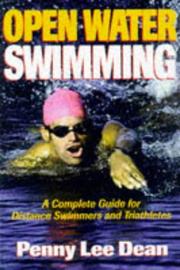
A foundational, widely-cited primer that covers the basics of open-water technique, navigation, and safety — the perfect first frame of reference for anyone transitioning from the pool.

Laughlin's Total Immersion principles translate beautifully to open water; reading this second gives the intermediate swimmer an efficient stroke foundation before tackling rougher conditions and longer distances.
Technique, Sighting & Open-Water Skills
IntermediateMaster open-water-specific technique — sighting, drafting, navigation, and swimming in chop — and understand how to train these skills deliberately.
▸ Study plan for this stage
Pace: 4–5 weeks, ~40–50 pages/day (mix of reading and practical application)
- Sighting technique: head position, timing, and rhythm to maintain course without losing speed
- Drafting mechanics: how to position yourself behind/beside other swimmers to reduce drag and energy expenditure
- Navigation in open water: using landmarks, sun position, and mental mapping to stay on course
- Swimming in chop and rough conditions: body position, breathing adaptations, and mental strategies to maintain efficiency
- Deliberate practice framework: how to isolate and train open-water skills in controlled settings before applying them in real conditions
- Pacing and effort management: how to sustain speed and efficiency over longer distances in variable conditions
- Environmental awareness: reading water conditions, currents, temperature, and adapting technique accordingly
- What is the optimal head position and frequency for sighting, and how do you maintain forward momentum while sighting?
- How does drafting reduce energy expenditure, and what are the key positioning strategies for drafting safely and effectively?
- What navigation techniques can you use to stay on course in open water, and how do you practice them in a pool?
- How should your technique and breathing adapt when swimming in choppy or rough water conditions?
- What is a deliberate practice plan for open-water skills, and how do you progress from pool drills to open-water application?
- How do you manage pacing and effort over longer open-water distances to maintain efficiency and avoid burnout?
- Pool sighting drills: practice sighting every 6, 8, and 10 strokes at various speeds; record how your speed changes with each sighting frequency
- Drafting practice in pool: swim behind a partner at different distances (6 feet, 10 feet, 15 feet) and measure heart rate/perceived effort to find optimal position
- Navigation drill: swim across the pool with eyes closed for 25 yards, then open and sight to check course deviation; repeat 5–10 times
- Chop simulation: swim during pool lane times when multiple swimmers create turbulence; practice maintaining stroke rhythm and breathing pattern
- Open-water sighting session: swim a marked course (buoys or landmarks) and practice sighting every 8 strokes; video record to assess head position and stroke disruption
- Pacing time trial: swim a 1-mile open-water course at perceived sustainable effort; record splits every 0.25 miles to identify pacing consistency
- Environmental adaptation practice: swim in open water on days with different conditions (calm, mild chop, wind) and journal how you adjusted technique each time
Next up: This stage equips you with the technical foundation and deliberate practice mindset needed to tackle race-specific training, mental resilience, and open-water strategy in the next stage.

An Olympic swimmer breaks down elite stroke mechanics with exceptional clarity; understanding the 'why' behind each movement prepares you to adapt technique when sighting and open-water conditions disrupt your rhythm.

Cox draws on decades of world-record swims to give practical, experience-tested guidance on sighting, pacing in currents, and reading water — exactly the skills this stage targets.
Cold Water, Physiology & Resilience
IntermediateUnderstand the physiological and psychological effects of cold water, learn acclimatisation strategies, and develop the mental toughness to swim safely in challenging conditions.
▸ Study plan for this stage
Pace: 4–5 weeks, ~25–30 pages/day (approximately 150–160 pages total)
- Cold water immersion triggers the mammalian dive reflex and gasping response, requiring controlled breathing techniques to manage panic
- Progressive acclimatisation to cold water reduces shock response and builds physiological adaptation over weeks and months
- Psychological resilience and mental preparation are as critical as physical conditioning for extreme cold-water swimming
- Core body temperature regulation and the body's metabolic response to prolonged cold exposure determine safe swim duration
- Courage and determination can be cultivated through deliberate practice, goal-setting, and confronting fear systematically
- Environmental awareness—currents, water temperature, weather patterns, and support systems—is essential for safe cold-water swimming
- The relationship between mind and body: how mental focus, visualization, and self-belief influence physical performance in extreme conditions
- What is the mammalian dive reflex and how does it affect a swimmer entering cold water? What techniques can manage the initial gasping response?
- How does progressive cold-water acclimatisation work physiologically, and what timeline should a swimmer expect for meaningful adaptation?
- What mental strategies and psychological preparation methods does Lynne Cox describe or demonstrate for building resilience in extreme conditions?
- How does core body temperature affect swimming performance and safety, and what are the warning signs of dangerous heat loss?
- What role does fear play in Cox's swimming achievements, and how did she develop the courage to attempt unprecedented cold-water swims?
- What environmental and logistical factors (support teams, water conditions, timing) were critical to Cox's successful swims, and why?
- Cold-water immersion practice: Begin with 30-second to 2-minute exposures in water 10–15°C (50–59°F), gradually extending duration weekly; document physical sensations and breathing responses
- Breathing control drills: Practice box breathing (4-4-4-4 count) and rhythmic breathing techniques on land and in progressively colder water to manage the gasp reflex
- Visualization and mental rehearsal: Spend 10 minutes daily visualizing a cold-water swim scenario in detail—water temperature, sensations, strokes, and successful completion
- Journaling reflection: After each cold-water session, write about physical responses, mental state, fears encountered, and lessons learned; track progress over weeks
- Research and planning exercise: Map out a realistic cold-water swim goal (e.g., 10 minutes in 12°C water); identify required acclimatisation steps, support team needs, and safety protocols
- Peer discussion or group swim: Join or organize a cold-water swimming group to share experiences, learn from others' mental strategies, and build community resilience
Next up: This stage establishes the physiological foundations and psychological mindset required for safe cold-water swimming; the next stage will likely build on these principles to develop advanced skills, training protocols, and preparation for specific cold-water swimming events or longer-distance challenges.
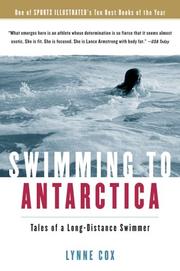
Cox's memoir of extreme cold-water swims is the canonical text on human cold-water adaptation; reading it here — after the manual — lets you see the physiology and mental strategies in vivid real-world action.
Endurance Training & Marathon Swimming
ExpertDesign and execute a structured training plan for marathon-distance open-water events, understand periodisation, nutrition, and the specific demands of channel and ultra-distance swimming.
▸ Study plan for this stage
Pace: 4–5 weeks, ~40–50 pages/day (approximately 200–250 pages total). Allocate 2–3 days per section to allow time for reflection and practical planning between chapters.
- Mental resilience and psychological preparation as the foundation for ultra-distance swimming success
- Periodisation and progressive training structure: building base fitness, developing specific endurance, and peaking for major events
- Nutrition, hydration, and fuelling strategies for multi-hour open-water swims and channel crossings
- Environmental adaptation: acclimatisation to cold water, tidal patterns, currents, and unpredictable conditions
- Race strategy and pacing for marathon and channel swimming: knowing when to push, when to conserve, and how to manage mental fatigue
- Recovery protocols and injury prevention in high-volume endurance training
- The role of support teams, crew management, and logistics in executing ultra-distance swims
- Setting audacious goals and translating them into actionable training plans
- How does Lewis Gordon Pugh structure his training periodisation for major channel and ultra-distance swimming events, and what are the key phases?
- What specific nutrition and hydration strategies does Pugh recommend for swims lasting 8+ hours, and how do they differ from shorter-distance training?
- How does Pugh emphasise mental resilience and psychological preparation, and what techniques does he use to overcome doubt during extreme swims?
- What role does environmental adaptation (cold water, currents, tides) play in Pugh's training philosophy, and how should swimmers prepare for these conditions?
- How should a swimmer design a support team and crew strategy for a channel crossing or ultra-distance swim, based on Pugh's experience?
- What does Pugh identify as the relationship between goal-setting, training structure, and achieving 'impossible' feats in open-water swimming?
- Design a 16–20 week periodised training plan for a specific marathon-distance event (e.g., 10 km open-water race or channel crossing attempt), breaking it into base-building, specific endurance, and peak phases based on Pugh's principles.
- Create a detailed nutrition and hydration protocol for a 6–8 hour open-water swim, including calorie targets, electrolyte ratios, and feeding schedules informed by Pugh's recommendations.
- Conduct a cold-water acclimatisation experiment: swim in progressively colder water over 4–6 weeks, documenting physiological responses and mental resilience techniques used.
- Develop a written mental resilience plan for a specific ultra-distance goal, identifying potential psychological obstacles and Pugh-inspired strategies to overcome them (visualisation, mantras, contingency thinking).
- Assemble and brief a mock support crew for a hypothetical channel crossing, defining roles, communication protocols, and decision-making frameworks based on Pugh's team management insights.
- Analyse a major open-water event (e.g., English Channel, Catalina Channel) and reverse-engineer the likely periodisation, nutrition, and environmental strategy a competitor would use, citing Pugh's framework.
Next up: This stage equips swimmers with the strategic, physiological, and psychological frameworks to execute marathon and ultra-distance swims; the next stage will likely deepen specialisation in specific event types (e.g., ice swimming, multi-day expeditions, or competitive marathon circuits) or focus on post-event recovery, legacy-building, and mentoring the next generation of open-water athletes.

Pugh's account of extreme endurance swims integrates mental conditioning, long-term training philosophy, and the logistics of marathon events, providing elite-level inspiration and tactical lessons to close the curriculum.
Discussion
Keep reading
Paths that share books, cover the same subject, or open a related topic.