Introversion gets misread as shyness or as something to overcome, when it is really a temperament with its own strengths. The reading order here corrects that from the start: understand what introversion actually is, then see its advantages clearly, then learn to lead, work, and focus in ways that play to it rather than against it.
Begin with self-understanding and the rest reframes itself. The workplace and leadership chapters stop feeling like coping mechanisms and start feeling like strategy.
Understand the temperament
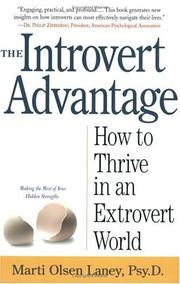
Start with a summary of Susan Cain's landmark work, Quiet - Summarized for Busy People by Goldmine Reads, for the core argument fast. Then go deeper with The Introvert Advantage by Marti Olsen Laney, which explains the psychology and physiology of introversion, and Gifts differing by Isabel Briggs Myers, the classic on personality type that gives you a fuller map of temperament. The highly sensitive person by Elaine N. Aron helps distinguish sensitivity from introversion, since the two often overlap but are not the same.
Lead and influence quietly
Now apply it at work. Quiet influence by Jennifer B. Kahnweiler and The introverted leader, also by Kahnweiler, show how introverts lead effectively without imitating extroverts, and Quiet power by Susan Cain adapts the message with practical guidance for navigating a loud world. Party of One by Anneli Rufus offers a spirited defense of the solitary life for those who genuinely prefer it.
Focus as a superpower
Finish with Deep Work by Cal Newport, which reframes the introvert's capacity for sustained concentration as a rare and valuable professional advantage in a distracted age.
None of this is about diagnosis; introversion is a normal temperament, and these books complement self-understanding rather than replacing any needed mental-health support. Read the path in order, start with the temperament titles, and then choose the work and focus chapters most relevant to your situation.
Follow the full reading path →
Ready to learn something deeply?
Build a reading path — free