Loneliness is often treated as a personal failing, but the research reframes it as a biological signal, as real as hunger, telling us we need connection. Understanding that changes everything, which is why this reading order starts with the science and the social forces behind modern isolation before moving to what actually rebuilds connection.
Read the diagnosis before the cure and you stop blaming yourself. Read the social context and you see that loneliness is partly structural, not just individual. Only then do the practical relationship skills land where they belong.
The science of loneliness
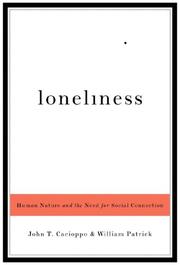
Start with Loneliness by John T. Cacioppo, the foundational science from the researcher who established loneliness as a health issue. Add Together by Vivek H Murthy M.D., the former U.S. Surgeon General's accessible case for connection as a public-health priority, and Social by Matthew D. Lieberman, which shows how deeply wired we are for belonging. These establish that the ache is real and shared.
The social roots
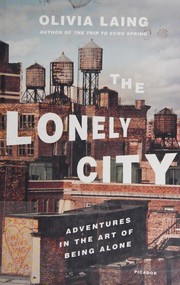
Now widen out. Bowling Alone by Robert D. Putnam documents the long decline of community and social capital, Lost connections by Johann Hari argues that much depression and disconnection has social rather than purely chemical roots, and The lonely city by Olivia Laing turns loneliness into art and reflection through the lens of urban life and artists.
Rebuilding connection
Finish with the practical work. Daring Greatly by Brené Brown shows how vulnerability opens the door to real closeness, Attached by Amir Levine explains attachment styles so your relationships start on solid ground, The Art of Communicating by Thích Nhất Hạnh brings mindful presence to how we speak and listen, and How to Know a Person by David Brooks teaches the underrated skill of truly seeing others.
These books help, but persistent loneliness that shades into depression deserves a therapist's support, and reading complements rather than replaces that. Read the path in order, take the science as permission to be kinder to yourself, and put the connection skills into small, repeated practice.
Follow the full reading path →
Ready to learn something deeply?
Build a reading path — free