Fostering is unlike other parenting because the children arrive carrying loss and, often, trauma, and the usual approaches can backfire. The reading order here reflects that: you build empathy and understanding first, then learn trauma-informed, connection-based skills, and finally step back to understand the child-welfare system you are operating inside.
Reading in this sequence means the practical parenting techniques rest on a real grasp of why a hurt child behaves as they do, and the system chapters help you advocate without burning out.
See it through their eyes
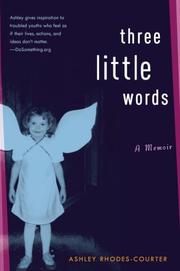
Start with Three Little Words by Ashley Rhodes-Courter, a searing memoir of growing up in foster care that reframes everything, and Instant Mom by Nia Vardalos for a warmer, hopeful story of building a family through adoption from foster care. These humanize the stakes before you reach technique.
Trauma-informed parenting
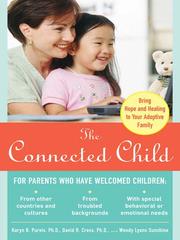
Now build the skills that actually work with hurt children. The Connected Child by Karyn B Purvis and Attaching in adoption by Deborah D. Gray teach connection-based, attachment-focused parenting, while The boy who was raised as a dog by Bruce Duncan Perry, from a leading child-trauma psychiatrist, explains what early trauma does to the developing brain. Parenting from the Inside Out by Daniel J. Siegel and The whole-brain child by Daniel J. Siegel give you the developmental science, and Beyond consequences, logic, and control by Heather T. Forbes reframes discipline for trauma-affected kids.
Understand the system
Finish with the wider view. Torn Apart by Dorothy E. Roberts and The Child Welfare Chronicles by Martin Guggenheim offer sharp, critical looks at how the foster and child-welfare system actually works, helping you advocate more effectively and hold onto perspective.
These books complement, and never replace, your agency, caseworkers, and the therapists supporting the children in your care. Read the path in order, invest heavily in the trauma-informed stage, and let the memoirs keep the child's experience at the center.
Follow the full reading path →
Ready to learn something deeply?
Build a reading path — free