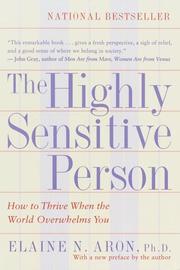
About one in five people process the world more deeply and are more easily overwhelmed by stimulation, a trait researcher Elaine Aron named high sensitivity. If that is you, the worst thing is to conclude something is wrong with you. The reading order here starts with understanding the trait, then moves to protecting your energy and boundaries, then to relationships, and finally to reframing sensitivity as a strength.
Learn what the trait is first, and the practical chapters make sense. Skip that step and you risk treating a normal temperament as a problem to fix.
Understand the trait
Start with The highly sensitive person by Elaine N. Aron, the foundational book that defined and researched the trait, then read Sensitive: The Hidden Power of the Highly Sensitive Person in a Loud, Fast, Too-Much World by Jenn Granneman for a fresh, science-forward and affirming update. If you also identify as an empath, The Empath's Survival Guide by Judith Orloff MD adds tools for managing emotional absorption.
Protect your energy and relationships
Now build defenses and skills. Set Boundaries, Find Peace by Nedra Glover Tawwab is essential for sensitive people who over-give, teaching you to set limits without guilt. Emotional Intelligence by Daniel Goleman helps you understand and work with the strong emotions you feel, and The Highly Sensitive Person in Love by Elaine N. Aron addresses the specific dynamics of relationships when one or both partners are highly sensitive.
Turn sensitivity into strength
Finish by reframing. A summary of Susan Cain's work, Quiet - Summarized for Busy People by Goldmine Reads, connects sensitivity to quiet strength, The highly sensitive person's workbook by Elaine N. Aron gives you exercises to put it all into practice, and Bittersweet by Susan Cain explores how a longing, feeling temperament can be a source of depth and creativity.
High sensitivity is a trait, not a disorder, and these books complement rather than replace therapy if you are struggling. Read the path in order, start with the foundational titles, and give the boundary work real, ongoing practice.
Follow the full reading path →
Ready to learn something deeply?
Build a reading path — free