Film Directing: Best Books to Learn Directing for the Screen
This curriculum is built for an intermediate learner who already understands basic filmmaking concepts and wants to go deep into the craft of directing — from visual grammar and shot design, through working with actors, to commanding a full production. Each stage builds on the last: first sharpening your visual and storytelling instincts, then mastering the human side of directing, and finally integrating everything into professional set leadership and a personal directorial voice.
Visual Grammar & Shot Design
IntermediateBuild a rigorous, director-level vocabulary for composing images, designing shots, and using the camera as a storytelling instrument.
▸ Study plan for this stage
Pace: 8–10 weeks, ~40–50 pages/day with 2–3 days per week for hands-on shot design work
- Shot composition fundamentals: framing, depth, balance, and line as visual language (Katz)
- Camera movement and motivation: how pans, tilts, tracks, and zooms serve narrative and emotion (Katz & Arijon)
- Spatial relationships and blocking: positioning actors and objects to create meaning and visual hierarchy (Katz & Block)
- Color, light, and value as compositional tools that guide attention and establish mood (Block)
- Visual continuity and editing rhythm: how individual shots are designed to cut together coherently (Arijon)
- Perspective, scale, and proportion: using depth cues and relative sizing to convey information and power dynamics (Block & Arijon)
- Shot types and their psychological effect: wide shots, medium shots, close-ups, and extreme angles as emotional statements (Katz & Arijon)
- Design through contrast: using opposing visual elements (light/dark, large/small, static/moving) to create visual interest and meaning (Block)
- How do you use frame composition (rule of thirds, leading lines, negative space) to guide the viewer's eye and reinforce story?
- What is the relationship between camera movement and character motivation, and when should a shot be static versus dynamic?
- How do color, light, and value work together to establish visual hierarchy, mood, and the emotional subtext of a scene?
- What is the difference between a wide shot, medium shot, and close-up in terms of psychological distance and what each communicates to the audience?
- How do you design shots with continuity in mind—ensuring they will cut together smoothly and maintain spatial coherence?
- What role does depth (foreground, middle ground, background) play in composition, and how do you use it to create layered, visually rich frames?
- How do extreme angles (high angles, low angles, Dutch angles) function as visual metaphors, and when is their use justified?
- How do you use visual contrast (opposing shapes, tones, movements, scales) to create visual interest and reinforce thematic meaning?
- Storyboard a 2–3 minute scene using only Katz's shot vocabulary: identify the emotional intent of each shot and justify your framing choices in writing.
- Analyze 5 scenes from a film of your choice, breaking down each shot's composition (framing, depth, balance, line direction) and explaining how it serves the narrative.
- Design a shot list for a simple dialogue scene (2 characters, 1 location) using Block's color and light principles; specify how color will guide attention and establish mood.
- Create a 'visual contrast study': find or sketch 3 pairs of shots that use opposing compositional elements (light/dark, large/small, static/dynamic) and explain the emotional effect.
- Shoot or find 10 reference shots that exemplify Arijon's principles of visual continuity; annotate each with notes on how it relates to the surrounding shots in a sequence.
- Practice 'composition sketches': quickly sketch 20 different framings of the same subject (a person in a room) using different shot types, angles, and depth arrangements; label each with its psychological effect.
- Recreate a scene from one of your reference films shot-for-shot, then redesign it using different compositional choices; compare and analyze what changes in meaning and impact.
- Write a 'visual design brief' for a 30-second scene: specify shot types, camera movement, color palette, lighting direction, and depth strategy, grounded in character emotion and story function.
Next up: This stage equips you with the visual vocabulary and compositional discipline to design individual shots with intention; the next stage will expand this into sequence design, showing how to orchestrate multiple shots into coherent scenes and manage visual storytelling across longer narrative arcs.
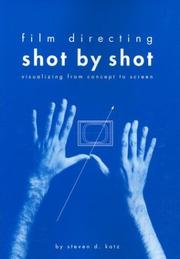
The definitive guide to visual storytelling and storyboarding — establishes the core language of shot design, camera placement, and sequence construction that everything else in this curriculum builds on.
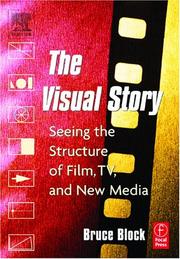
Teaches the underlying visual elements (line, shape, tone, color, movement) that make images emotionally powerful; read after Katz to understand *why* certain shots work, not just *how* to plan them.

A comprehensive, systematic breakdown of screen direction, cutting patterns, and spatial continuity — deepens shot design knowledge into a full directorial grammar for staging and editing.
Visual Storytelling & Cinematic Thinking
IntermediateUnderstand how great directors translate a script into a coherent visual world — developing a personal cinematic point of view and mastering scene construction.
▸ Study plan for this stage
Pace: 8–10 weeks, ~40–50 pages/day. Start with Rabiger's "Directing" (weeks 1–6, ~350 pages), then move to Mackendrick's "On Film-making" (weeks 7–10, ~250 pages). Allocate 1–2 days per week for exercises and reflection.
- Script analysis and breaking down scenes: identifying dramatic intention, subtext, and visual opportunities within the written word (Rabiger's emphasis on script-to-screen translation)
- Blocking and spatial composition: how camera placement, actor movement, and set design work together to reveal character and advance narrative (core to both authors)
- The director's visual language and personal style: developing a consistent cinematic point of view through shot selection, editing rhythm, and visual metaphor (Mackendrick's auteur perspective)
- Mise-en-scène as storytelling: using production design, lighting, color, and framing to communicate meaning without dialogue (Rabiger's practical framework)
- Working with actors: directing performances that serve the story while maintaining creative control and psychological safety on set (both authors address this)
- Editing as a directorial tool: understanding how shot sequence and duration shape pacing, emotion, and audience interpretation (Mackendrick's theoretical grounding)
- Scene construction and dramatic architecture: building individual scenes with clear objectives, turning points, and visual payoffs that accumulate into larger narrative patterns
- Overcoming technical and creative obstacles: problem-solving on set while maintaining artistic vision (Rabiger's pragmatic approach)
- How do you identify the dramatic intention of a scene from a script, and what visual choices can you make to reinforce that intention?
- What is mise-en-scène, and how do lighting, color, production design, and actor placement work together to tell a story without relying on dialogue?
- How does a director develop a personal cinematic point of view, and what role do recurring visual motifs and shot choices play in establishing style?
- Describe the relationship between blocking, camera movement, and editing. How do these three elements work together to guide the viewer's attention and emotion?
- What are the key principles for directing actors, and how can a director maintain creative control while fostering psychological safety and authentic performance?
- How does editing function as a directorial decision, and what does Mackendrick mean by the 'grammar' of film language?
- Script breakdown exercise: Select a 3–5 page scene from a published screenplay. Identify the dramatic intention, subtext, and emotional arc. Sketch out at least three different blocking and camera approaches, explaining how each would alter the scene's meaning.
- Mise-en-scène analysis: Watch a 5–10 minute sequence from a film by a director known for strong visual style (e.g., Kubrick, Tarkovsky, or Wong Kar-wai). Document every element—lighting, color palette, set dressing, actor positioning—and write a one-page analysis of how these choices communicate theme and character.
- Storyboard a scene: Take a scene you've broken down and create a detailed storyboard (at least 8–12 frames) showing camera angles, actor positions, and key visual moments. Annotate with notes on why each choice serves the story.
- Blocking and movement study: Rehearse or film a 2–3 minute scene with actors or friends. Experiment with three different blocking patterns and compare how each affects the emotional tenor and clarity of the scene. Document with photos or video.
- Visual language inventory: Choose a film you admire and identify 5–7 recurring visual motifs or shot types the director uses. Write a brief essay on how these choices constitute the director's 'signature' and reinforce the film's themes.
- Editing exercise: Shoot or gather 30–40 seconds of raw footage (a simple scene: two people talking, a character moving through space). Edit it three different ways—varying shot length, order, and pacing—to create three distinct emotional tones from the same material.
Next up: This stage equips you with the foundational language and practical tools to translate scripts into visual worlds; the next stage will deepen your mastery of specific technical domains—cinematography, production design, sound design, and post-production—that execute and refine the directorial vision you've begun to articulate here.
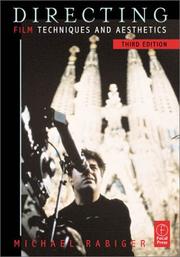
A thorough, craft-focused directing textbook that bridges visual design and dramatic storytelling; it provides the analytical framework for breaking down a script into directorial choices.
Legendary lecture notes from the director of Sweet Smell of Success — one of the most insightful books ever written on dramatic construction, visual logic, and what a director must understand about story.
Working with Actors
IntermediateDevelop the skills to communicate with, guide, and collaborate with actors to generate authentic, powerful performances on screen.
▸ Study plan for this stage
Pace: 6–8 weeks, ~25–30 pages/day, with 2–3 days per week dedicated to practical exercises and reflection
- The actor's process: understanding how actors access emotions, build characters, and work with script analysis (given circumstances, objectives, obstacles)
- Communication frameworks: how to give direction that actors can use—avoiding result-oriented notes and focusing on playable actions and intentions
- The director's role as collaborator: creating psychological safety, building trust, and establishing a shared creative language with your cast
- Intuition in directing: recognizing when a performance is authentic, knowing when to push for more takes, and trusting your instincts about what's working
- Script breakdown for actors: identifying beats, subtext, character arcs, and emotional logic that actors need to understand before shooting
- On-set performance management: techniques for getting multiple takes, adjusting performances in real-time, and handling difficult actor situations
- The relationship between actor preparation and directorial vision: how to guide actors toward your vision without controlling or over-directing them
- What is the difference between giving an actor a result-oriented note versus an action-oriented note, and why does this distinction matter for authentic performance?
- How would you use the concepts of 'given circumstances,' 'objectives,' and 'obstacles' to help an actor prepare for a scene?
- Describe three specific techniques you could use to build trust and psychological safety with an actor during pre-production and on set.
- What does Judith Weston mean by 'directorial intuition,' and how can you develop and rely on it when evaluating whether a performance is working?
- How would you approach giving direction to an actor who is over-thinking their performance versus one who is under-preparing?
- What is the relationship between script analysis and actor direction, and how should you prepare a script breakdown to communicate with your cast?
- Script breakdown exercise: Select a 2–3 page scene and break it down using actor-focused analysis—identify each character's objectives, obstacles, given circumstances, and emotional beats. Write director's notes that an actor could actually use.
- Direction translation practice: Take 5 common directing notes (e.g., 'be more vulnerable,' 'show more anger,' 'feel the weight of the moment') and rewrite each as an action-oriented, playable direction an actor can execute.
- Mock rehearsal: Work with an actor friend or colleague on a short scene. Practice giving one direction per take, focusing on actions and intentions rather than results. Record yourself and review how clearly your notes land.
- Intuition journal: Watch 3–4 film scenes (from different directors) and write down what makes the performances feel authentic or false. Identify specific moments where you sense the actor is 'in it' versus performing. Reflect on what visual/behavioral cues trigger your intuition.
- Trust-building conversation: Conduct a pre-production meeting with an actor (real or role-played) where you discuss their process, fears, and creative goals. Practice active listening and establishing shared language around character and scene.
- Performance adjustment challenge: Film or rehearse a scene 5–6 times with different directorial adjustments each take (change the objective, add a physical constraint, shift the emotional tone). Analyze which adjustments produced the most authentic response and why.
Next up: Mastering actor communication and intuitive performance direction equips you to lead a cast with confidence, setting the foundation for the next stage where you'll integrate actor performances with all other directorial elements—cinematography, production design, and editing—into a cohesive visual and narrative whole.
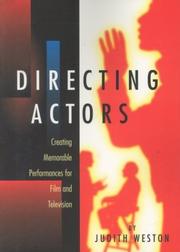
The single most recommended book on director-actor collaboration — teaches a practical, actor-friendly language for giving notes and building trust, essential before stepping on a real set.
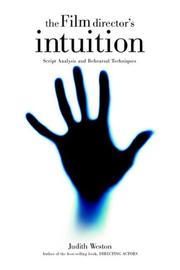
Weston's follow-up goes deeper into script analysis and subtext, helping directors understand what actors need emotionally from a scene; read second to apply her method to full scripts.
Leading a Film Set & the Director's Process
ExpertIntegrate all prior knowledge into the full reality of professional film production — managing a crew, making decisions under pressure, and leading with authority and vision.
▸ Study plan for this stage
Pace: 4–5 weeks, ~40–50 pages/day (approximately 200–250 pages total)
- The director as decision-maker: how to make rapid, confident choices under pressure while maintaining artistic vision
- Crew management and communication: establishing authority, clarity, and trust with department heads and the full set
- The pre-production foundation: how meticulous planning (script breakdown, shot lists, storyboards) enables freedom on set
- Problem-solving in real time: adapting to budget constraints, weather, actor performance, and technical failures without losing the film's integrity
- The director's relationship with the script: balancing fidelity to the writer's intent with creative interpretation and practical necessity
- Collaboration with key collaborators: working effectively with cinematographers, editors, producers, and actors to realize the vision
- Pacing and rhythm: understanding how directorial choices shape the emotional and narrative tempo of the finished film
- The business and psychology of filmmaking: navigating the human and financial realities that shape every decision on set
- How does Lumet argue that thorough pre-production planning actually creates more creative freedom on set rather than constraining it?
- What are the key responsibilities of a director in managing crew dynamics, and how should a director establish authority without creating a hostile environment?
- How does Lumet approach decision-making when faced with conflicting demands—e.g., artistic vision vs. budget, or actor needs vs. schedule?
- What is Lumet's philosophy on the relationship between the director and the script, and when should a director deviate from the written word?
- How does the director's work with the cinematographer and editor shape the final film, and what does Lumet say about the importance of these collaborations?
- What practical strategies does Lumet offer for problem-solving on set when unexpected obstacles arise?
- Conduct a full script breakdown for a 10–15 page scene: identify all technical requirements, actor needs, locations, and potential problems. Write a one-page memo explaining how you would solve the three biggest challenges.
- Create a detailed shot list and storyboard sequence for a 3–5 minute scene, then write a brief director's note explaining your visual choices and how they serve the story.
- Simulate a set crisis: choose a real constraint (budget cut, actor illness, weather change, equipment failure) and write a 2–3 page response memo showing how you would adapt while protecting the film's core vision.
- Interview a working director, cinematographer, or line producer about a real production decision they faced. Write a 1–2 page reflection connecting their experience to Lumet's principles.
- Plan a crew meeting agenda for the first day of principal photography on a hypothetical project. Include what you need to communicate, how you'll establish expectations, and how you'll invite collaboration.
- Analyze a scene from a Lumet film (or another film of your choice) by identifying the directorial choices visible on screen—framing, pacing, actor blocking, editing rhythm—and write a 1–2 page breakdown of how these choices were likely made under real production constraints.
Next up: This stage equips you with the practical wisdom and psychological tools to lead a professional film set, preparing you to either specialize in a particular aspect of directing (genre, format, or collaborative approach) or to deepen your mastery through mentorship and real production experience.

A master director's candid, practical account of every stage of production — from script breakdown to final cut — showing how all the craft elements (shot design, performance, tone) are unified by a director's vision.
Discussion
Keep reading
Paths that share books, cover the same subject, or open a related topic.